10 Best Bluetooth OBD2 Scanner for DIY Car Repair — Top Picks, Features, and Buying Guide

Bluetooth OBD2 scanners let DIYers read and clear engine codes, monitor live sensor data, and get basic diagnostics with a phone or tablet. They work by plugging into the car’s OBD2 port and sending data wirelessly, so a user can troubleshoot problems without expensive shop visits. For many home mechanics, this type of tool makes finding issues faster and helps decide whether a repair is DIY or needs a pro.
Buyers should focus on compatibility with vehicle makes and apps, the range of live data and code definitions provided, and whether the scanner supports advanced features like freeze-frame, ABS, or transmission codes. Reliability of the wireless connection, app interface, and regular software updates matter for long-term use. A good Bluetooth OBD2 scanner works with the user’s car, shows clear code explanations, and keeps a steady wireless link to the phone. This guide tests and compares popular models to find the ones that make DIY car repair easier and more confident.
Best Bluetooth OBD2 Scanners for DIY Car Repair
Below is a concise list of the best Bluetooth OBD2 scanners for DIY car repair. It helps readers compare features, ease of use, and value so they can pick the right tool for troubleshooting and simple repairs.
BlueDriver Pro
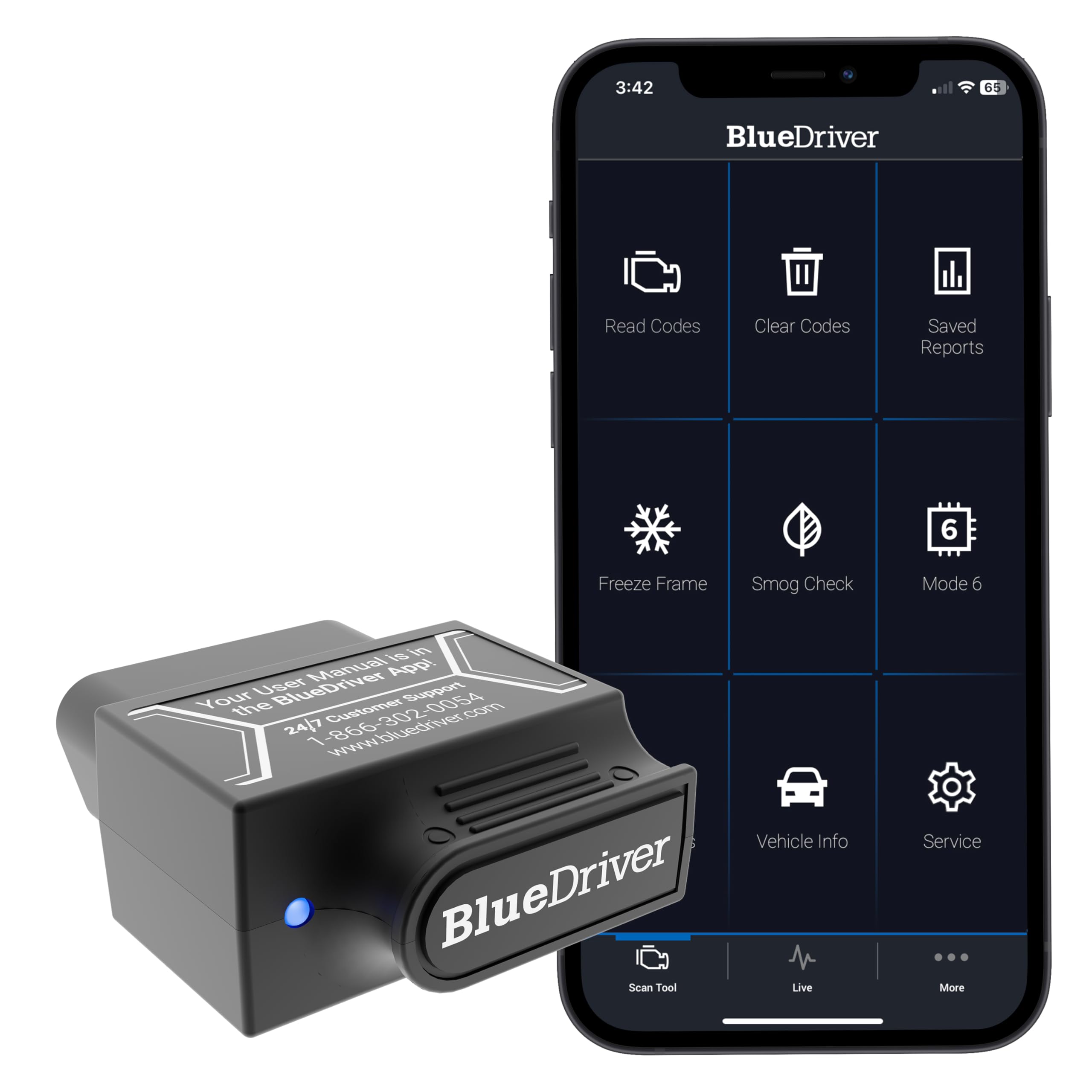
It’s a solid buy for DIYers who want professional-grade diagnostics without a subscription.
Pros
- Gives detailed repair reports and live data.
- Easy Bluetooth setup and app-guided use.
- Covers ABS, SRS, TPMS and many advanced codes.
Cons
- Some advanced vehicle makes may have limits.
- Requires a phone or tablet to use.
- Left plugged in, it can get in the way in tight fuse-box areas.
They connected quickly to the truck and started pulling codes in under a minute. The app showed clear, readable repair reports that named likely causes and suggested fixes. It felt like using a shop scanner without the bulky tool.
While driving, they watched live data to spot a misfire pattern. The real-time graphs helped zero in on the suspect cylinder. For routine check-engine troubleshooting and basic monitoring, it made the job much faster.
Pairing once took a short call with support, and it was resolved quickly. The device handled older and newer gas vehicles they tested and cleared codes cleanly. It won’t replace an expensive shop tool for every car brand, but it gives DIYers pro-level info at home.
Rocco OBD2 Scanner (UJS)
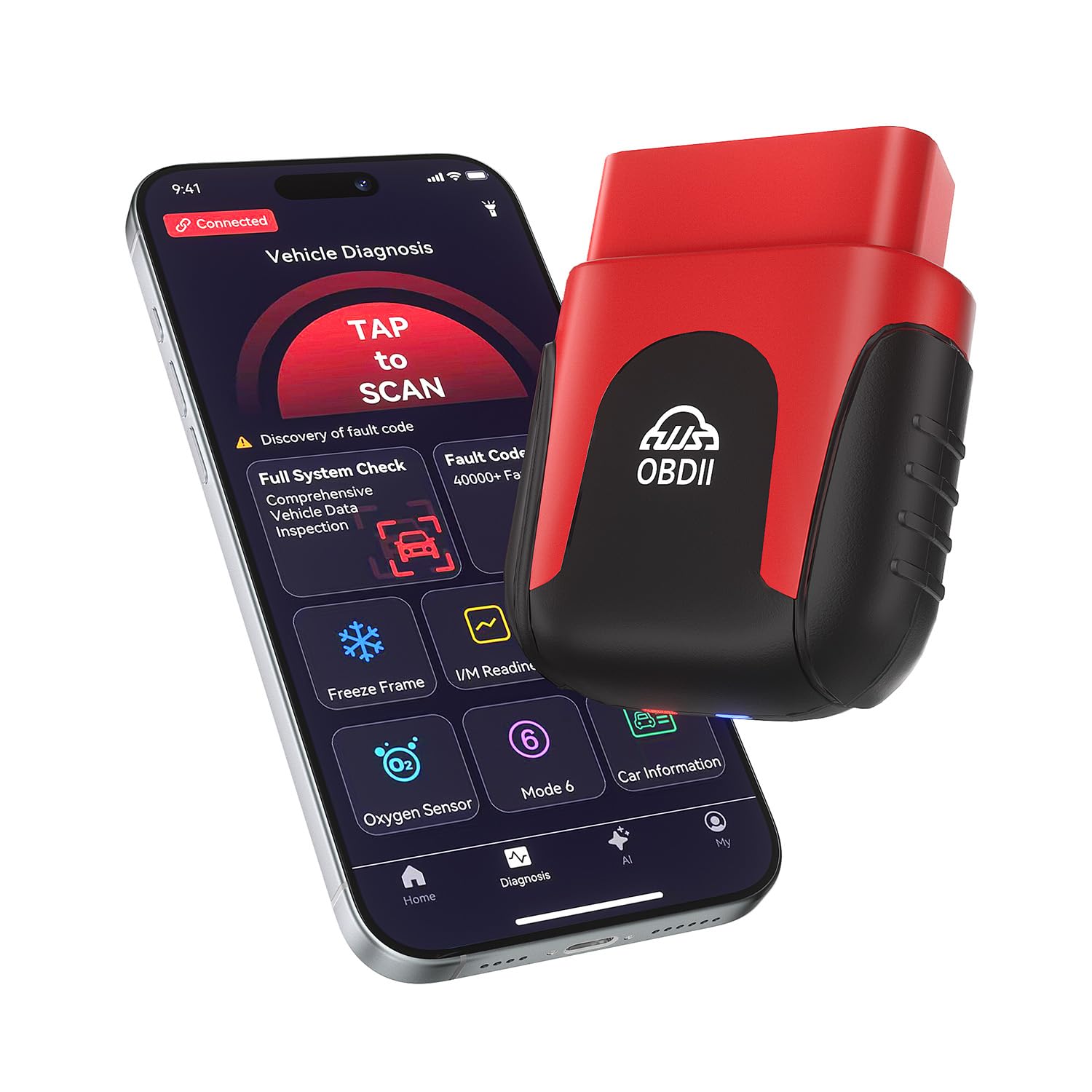
It is a solid pick for DIYers who want quick AI-powered diagnostics and real-time data without a subscription.
Pros
- Fast Bluetooth setup and stable connection.
- Clear AI reports that make codes easier to understand.
- Tiny design stays plugged in and doesn’t get in the way.
Cons
- AI explanations can be basic for advanced users.
- Some features require the phone app to be open.
- Not all vehicle-specific quirks are covered.
The first time they plugged Rocco into an old sedan, it paired in seconds and delivered a full-system scan that actually made sense. The app turned a cryptic code into a plain suggestion, and that saved one trip to the shop.
Live data graphs felt useful when chasing an intermittent sensor issue. Watching RPM and coolant temperature in real time helped narrow down when the problem showed up during a test drive.
They liked how small and wireless the unit is—left it in the car for weeks without trouble. Battery-free operation and Bluetooth 5.4 meant no clutter, just instant access when the check engine light comes on.
On the downside, the AI reports sometimes stopped at general advice instead of step-by-step fixes. Mechanics will still need deeper tools for complex faults. Still, for home repairs and used-car checks, it proves handy and reliable.
FIXD Scanner
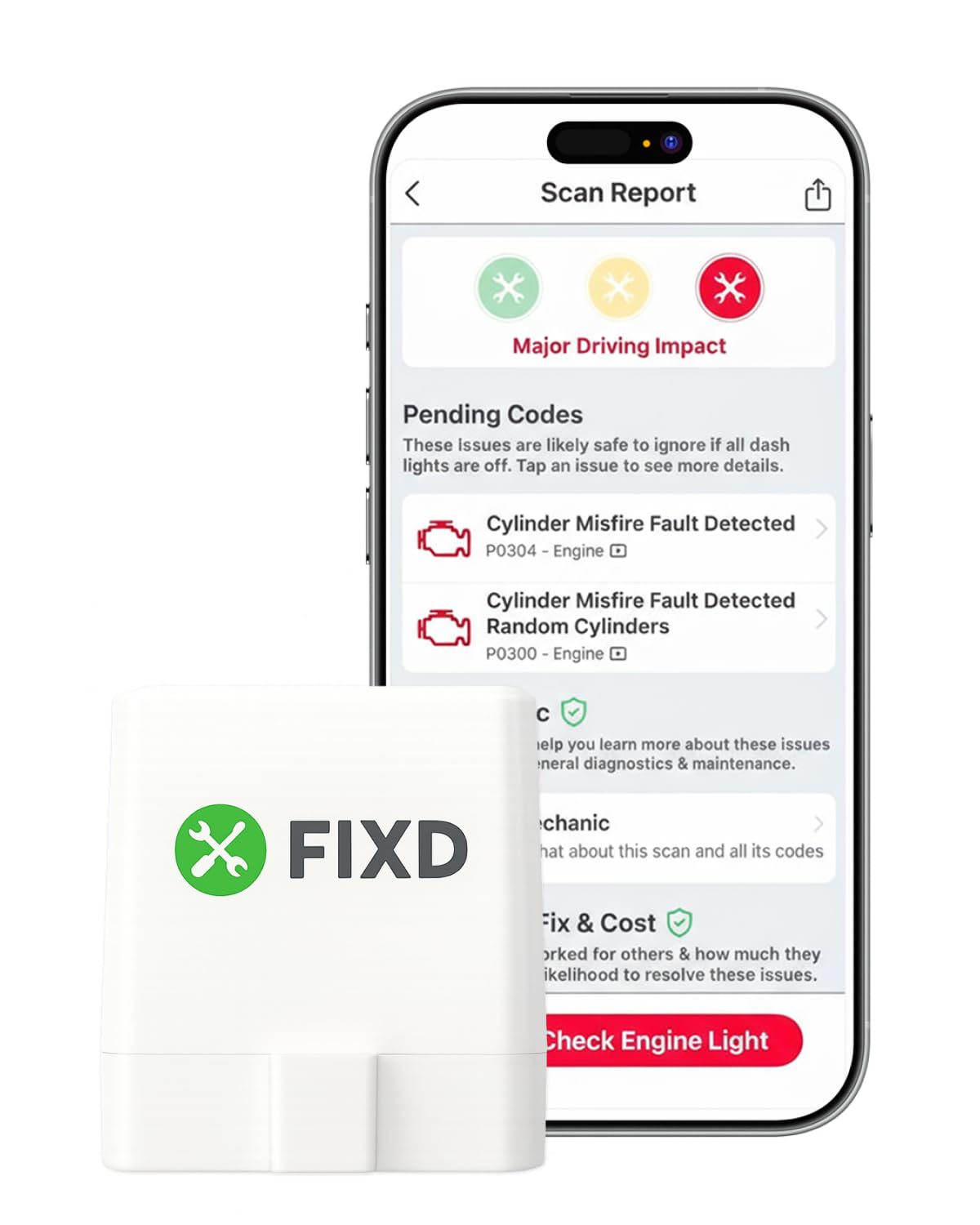
It is a solid choice for DIYers who want quick, easy check-engine reads and simple repair guidance without complex tools.
Pros
- Simple app explanations make codes easy to understand.
- Small dongle stays tucked under the dash and connects quickly.
- Good for tracking multiple cars and basic maintenance reminders.
Cons
- Some advanced features require a paid subscription.
- Not every vehicle shows enhanced data or live sensor readings.
- Occasional connection issues on older models.
They plugged the FIXD into the OBD2 port and liked how fast the phone app found the car. The app turned confusing codes into plain language, which made it easier to decide whether a trip to the shop was needed.
They used it to reset check-engine lights after simple fixes and found that helpful. The device is tiny and stayed hidden, so it did not get in the way or get knocked loose during drives.
They noticed limits when they tried to get deep diagnostics on some models. The free features cover most common problems, but some repair guides and cost estimates are behind the premium trial or subscription.
Overall, the scanner worked well for routine DIY checks and saving time and money on basic diagnostics. If someone wants a pocket-sized, user-friendly tool for everyday troubleshooting, this is worth considering.
OBDLink MX+

It’s a solid buy for DIYers who want fast, reliable Bluetooth diagnostics and broad app support.
Pros
- Fast, stable Bluetooth connection that rarely drops.
- Works with many apps (FORScan, Torque, BimmerCode) for deeper tasks.
- Extra safety features like over-voltage and battery protection.
Cons
- Manufacturer app can feel basic compared to third-party tools.
- A bit pricier than cheap clones.
- Some niche vehicle functions need paid app add-ons.
They plugged the MX+ into a few cars and immediately noticed how quickly it paired to a phone. Live data streamed smoothly while scanning, and clearing check engine lights took only a few taps. It felt like using a small professional tool rather than a toy dongle.
Using it with third-party apps made the difference. FORScan and Torque gave access to modules and live parameters the user’s old cheap scanner missed. Coding sessions with BimmerCode worked without disconnects, so the MX+ stayed reliable during longer jobs.
Battery and safety features added confidence when testing older cars with finicky electrical systems. The device’s build felt sturdy and the zipper case kept it safe in a toolbox. Expect to buy some app features separately if you need advanced OEM coding or deep module work.
TopScan Lite (TOPDON)

It is worth buying if someone wants a powerful Bluetooth OBD2 tool that performs deep diagnostics and basic repairs, but they should expect subscription fees for advanced features after the first year.
Pros
- Deep, bi-directional tests let them command components to find faults fast.
- App shows clear fault info and repair steps that speed DIY fixes.
- Compact, quick Bluetooth hookup — easy to carry and use on the driveway.
Cons
- Many advanced functions require a paid subscription after year one.
- Some features may not work on every vehicle or may need extra setup.
- App support and updates can feel patchy based on user reports.
They plugged the dongle into a Ford and an older Subaru and liked how fast the app pulled full-system codes. Live data felt responsive, and running an injector or fan test from the phone made troubleshooting much clearer than guessing.
Using the one-tap resets for oil and brake systems saved time on routine maintenance. The repair guides and TSB notes often pointed to the likely cause, so they avoided unnecessary part swaps.
The subscription model matters. The first year unlocks premium tools, but some DIYers may find yearly fees annoying if they only need occasional advanced tests. Still, for hands-on owners who want near-shop features at home, it performed like a solid compromise between price and capability.
UMEIJA V011 OBD2 Scanner
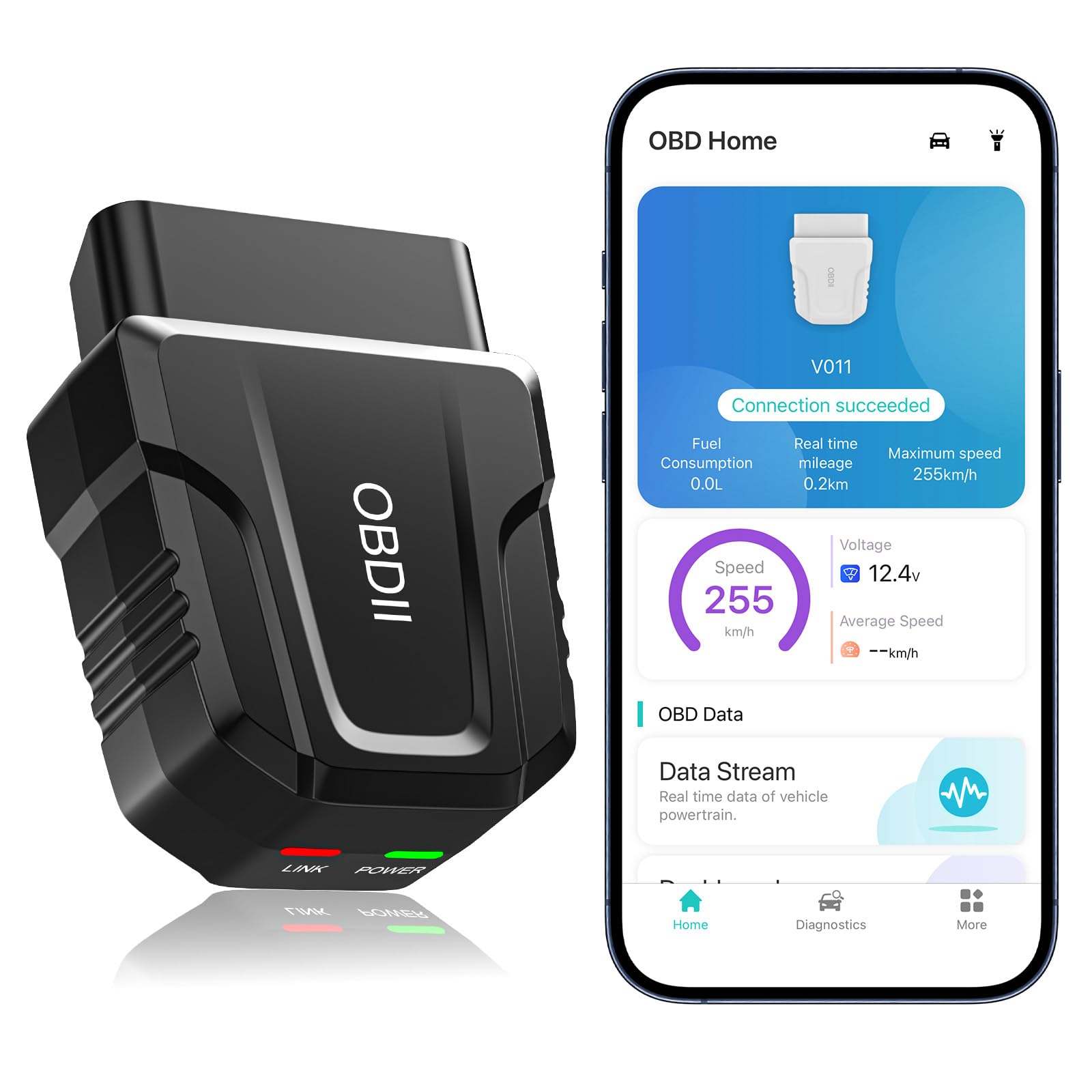
It’s a solid buy for DIYers who want fast code reads, live data, and easy Bluetooth connectivity without spending much.
Pros
- Reads and clears check engine codes quickly.
- Shows live sensor data in clear charts.
- Connects fast over Bluetooth 5.4; app stores history.
Cons
- Some advanced repairs still need a shop’s computer.
- App feels basic compared to high-end tools.
- Leaving it plugged in may draw the car battery.
They used it on several cars and liked how fast it paired and how clear the live graphs were. The app walked through code meanings and saved scan history, which helped track intermittent faults over time.
They could pull VIN, freeze frame, and streaming data while the engine ran. It found readiness monitors and suggested fixes that matched what a tech later confirmed, so it saved a trip to the shop.
The device is small and simple to plug in. It performed well on older and newer models, but for deep module programming or dealer-level service, it did not replace a full shop scan tool.
ANCEL AD310

It’s a solid buy for DIYers who want a simple, reliable code reader to find and clear check-engine light issues fast.
Pros
- Easy to use right out of the box
- Sturdy cable and compact build for garage work
- Quick reads and clears emission-related codes
Cons
- Only reads emission (OBD-II) related faults
- No smartphone app or Bluetooth features
- Won’t diagnose non-OBDII systems or older OBD-I cars
The AD310 felt like a tool made to be grabbed and used. Connecting to the OBD-II port took seconds and the screen displayed trouble codes clearly. The buttons are obvious and the unit powered up from the car without any fuss.
While testing it on a couple of older cars, the AD310 returned codes quickly and cleared them just as fast after fixing the issues. Live data and freeze-frame views worked well enough to confirm repairs. The cable is thick and flexible, so it didn’t kink while crawling in and out of the engine bay.
Don’t expect advanced features. It won’t pair with a phone or read ABS, SRS, or transmission modules. For someone who mostly needs to check CEL causes and readiness monitors, it saves time and trips to the shop. Overall, it feels durable and reliable for routine DIY troubleshooting.
Innova 5210 Bluetooth OBD2 Scanner
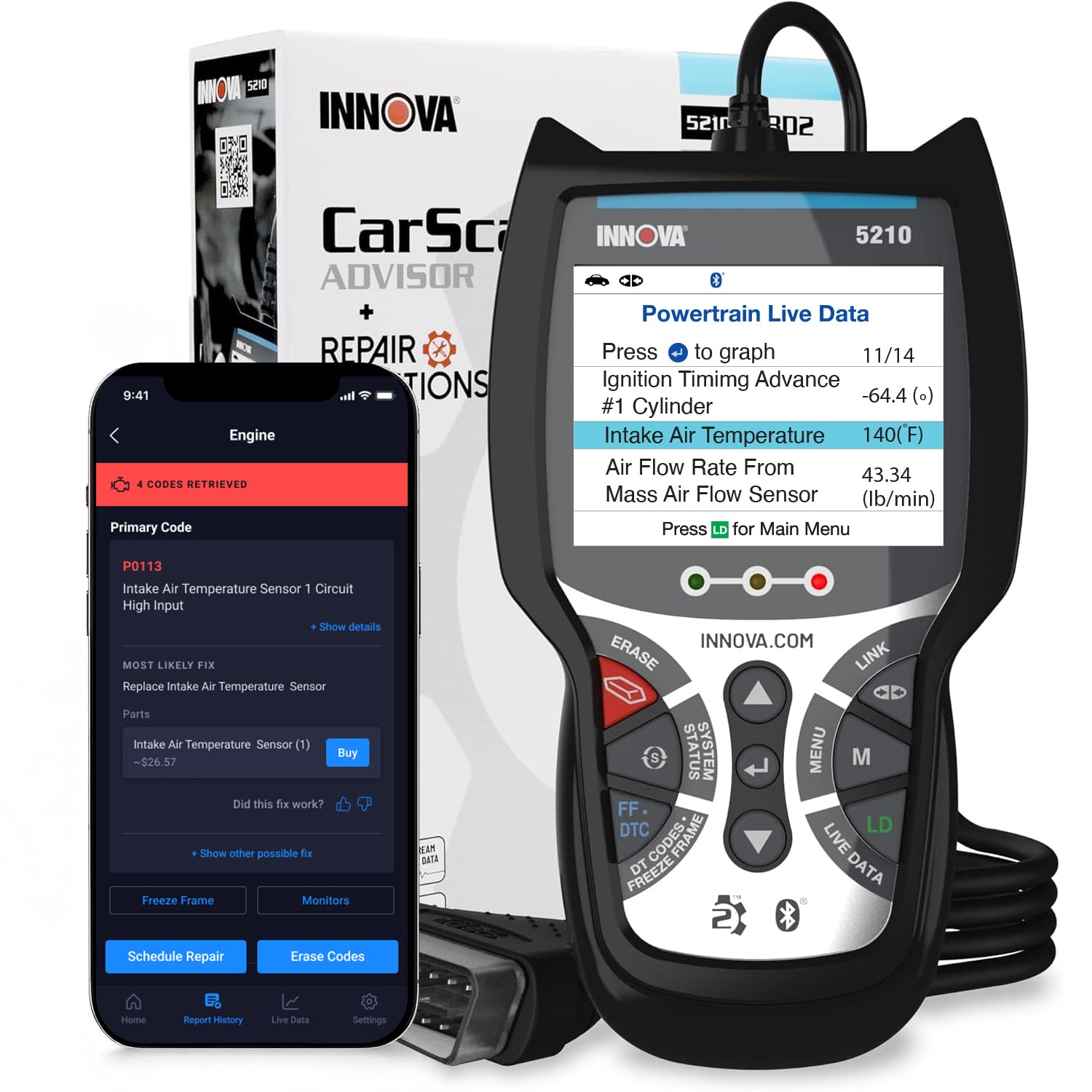
This tool is worth buying for DIYers who want clear engine codes plus battery and live-data checks without subscription fees.
Pros
- Reads and clears codes quickly and shows live data.
- Built-in battery/alternator test adds real value.
- RepairSolutions2 app gives step-by-step fixes without extra cost.
Cons
- Limited ABS coverage on some vehicles.
- App occasionally needs updating to match the scanner.
- Does not always name the exact replacement part.
The Innova 5210 felt solid during use. It plugged in easily, paired over Bluetooth, and showed RPM, temps, and O2 data almost immediately. Watching live data while revving the engine helped confirm a rough idle issue in one car.
Testing the battery and alternator was straightforward. The display gave a simple pass/fail style result and the app explained what the reading meant. That saved a trip to the shop for a quick battery check.
Clearing the check engine light worked without drama after a repair. The RepairSolutions2 app gave likely causes and repair steps, though it sometimes suggested general parts rather than the exact OEM number. For most DIY fixes, it pointed them in the right direction.
Coverage varied by vehicle, so checking Innova’s compatibility tool first avoids surprises. Overall, the 5210 is a practical, user-friendly scanner for home mechanics who want more than a basic code reader.
VDIAGTOOL D200
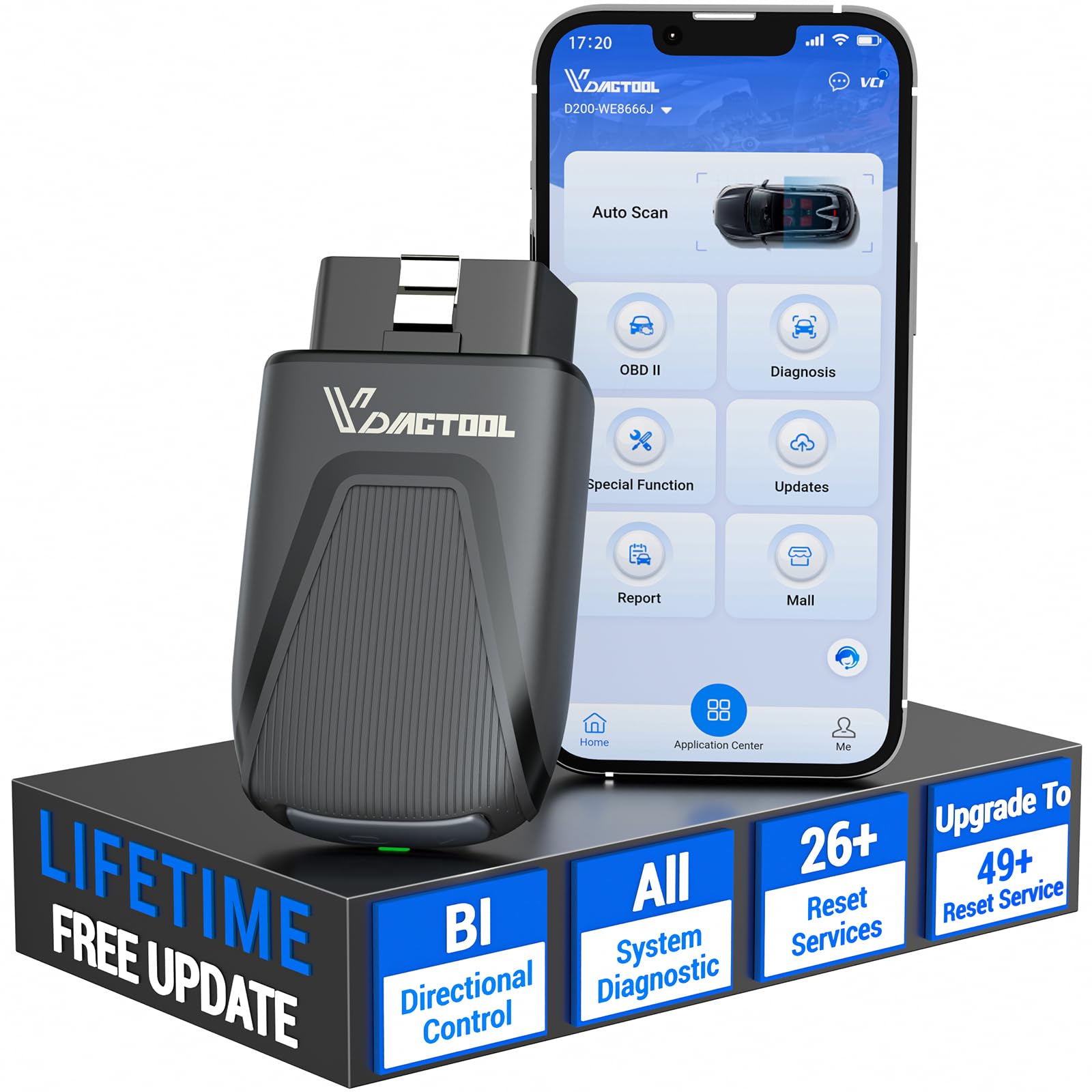
It is a solid choice for DIYers who want near-dealer diagnostics and wireless convenience without ongoing subscription fees.
Pros
- True bidirectional tests let you activate components and confirm repairs.
- Wireless Bluetooth pairing is fast and stayed stable during use.
- Core resets and basic diagnostics stay free for life.
Cons
- Advanced resets and programming require paid upgrades.
- Some functions depend on vehicle model and may not always work.
- No support for pure electric vehicles or heavy-duty trucks.
The D200 felt compact and well-built when used in a small garage. It hooked to an Android phone quickly and the app showed live data and graphs that helped diagnose a rough-idling engine within minutes.
Running active tests made troubleshooting faster. The tool spun relays and cycled fans so the user could confirm parts rather than guessing. That saved time and avoided one unnecessary parts swap.
Resets like oil and brake bleeding worked on several cars tried, but the reviewer noticed a few models where certain service functions were limited. Expect to check compatibility before relying on a specific reset.
Pairing and real-time graphs impressed during road-side checks. The device stayed paired across short drives and the history report feature made it easy to save and share findings with a shop or friend.
For deeper repairs, the upgrade path is useful but adds cost. Buyers get a capable scanner out of the box, yet module programming or 49+ advanced resets need paid access if they want dealer-level programming later.
Overall, it fit well into a DIY tool kit: powerful enough for serious troubleshooting, small enough to carry, and wireless for quick checks on multiple vehicles.
Veepeak OBDCheck BLE

It is a solid choice for DIYers who want reliable generic OBD-II reads on their phone without paying for pro tools.
Pros
- Easy Bluetooth LE connection with phone apps.
- Small, sturdy unit that fits a glove compartment case.
- Reads and clears check engine codes and shows live sensor data.
Cons
- Does not support advanced maker-specific functions like ABS or SRS.
- Some apps need paid features to unlock extra tools.
- iOS pairing must be done inside the app, which can confuse users.
They plugged the Veepeak into several cars and it woke screens full of live data within seconds. The unit stayed connected while driving and the Car Scanner app dashboards were simple to set up.
He used it to read and clear check engine codes and watch freeze frame and sensor streams. It caught codes the dealer missed on one car and helped track a fuel trim issue with live PID graphs.
Setup was mostly painless, but one phone required pairing only from inside the app. For full vehicle-specific functions or advanced resets, it fell short, so it works best for standard diagnostics and monitoring.
Buyers can find it here: Veepeak OBDCheck BLE
Buying Guide
Key features to check
They should look for device compatibility with the car’s protocol. Most modern cars use OBD-II, but some older or non-standard models may need additional support. Check listed vehicle years and protocols before buying.
App and software support
The app must be easy to use and update regularly. Look for apps with clear trouble code definitions, live data, and data logging. Confirm the app supports the phone’s operating system.
Connection type and range
Bluetooth versions affect speed and stability. Newer Bluetooth gives faster, more stable links and longer range. Battery or power options matter too; some plugs draw vehicle power while others include a battery.
Diagnostic capabilities
They should note what codes the scanner reads: basic SRS and ABS vs. advanced engine and manufacturer-specific codes. Live data, freeze-frame, and readiness monitors help with deeper troubleshooting.
Build quality and safety
A sturdy casing and a secure connector reduce damage risk. It should not interfere with vehicle electronics and must meet basic safety standards. Read warranty and return policies.
Price and support
Higher price does not always mean better fit. Balance features with budget. Reliable customer support and clear documentation can save time during DIY repairs.
Editor’s Choice
The top pick is the FIXD Pro OBD2 Scanner. It pairs fast with most Android and iPhone apps and reads a wide range of engine codes. It gives clear code definitions that help a DIYer decide if a trip to the shop is needed.
It includes live data streaming and simple freeze-frame capture. The app shows RPM, coolant temp, and more in easy charts. The device fits snugly in most OBD2 ports and stays connected during short repairs.
Pros:
- Strong app support for both iOS and Android.
- Accurate code reading and plain-language explanations.
- Compact, durable design that handles regular use.
Cons:
- Some advanced features require a paid subscription.
- Limited manufacturer-specific codes compared with high-end tools.
They recommend this unit for hobbyists who want reliable basic diagnostics and clear instructions. It balances price, ease of use, and useful data for common repairs.
Conclusion
A good Bluetooth OBD2 scanner gives reliable codes, clear live data, and easy app use. It helps DIYers find problems faster and spend less on shop diagnostics.
They should choose a scanner that fits their car and skill level. Basic users need code read/clear and freeze frame. Advanced DIYers want live stream, play-by-play graphs, and module tests.
Price and app quality matter. Mid-range models often balance features and reliability. Cheaper options may work, but can lack updates or solid apps.
Compatibility is key. Check vehicle protocols and phone OS before buying. A well-supported app makes repairs smoother and keeps the device useful over time.
Suggested quick checklist:
- Compatible with vehicle and phone
- Clear app interface and good updates
- Live data and graphing for deeper diagnosis
- Strong customer support and warranty
They can save money and learn more about their car with the right tool. Choosing thoughtfully turns a small device into a useful shop helper and a confidence booster for DIY repairs.
FAQS
What does a Bluetooth OBD2 scanner do?
It reads trouble codes from a car’s computer and shows live data like RPM and speed. It helps users find simple problems and clear check-engine lights.
Will it work with my car?
Most scanners work on vehicles made after 1996 in the U.S. They also support many international models. Check the scanner’s compatibility list before buying.
What devices are compatible?
Many scanners pair with Android and iPhone apps. Some apps offer more features on Android. Verify app support for the phone and operating system version.
Is a Bluetooth OBD2 scanner safe to use?
Yes, when used correctly. It only reads data and sends basic commands like clearing codes. Users should avoid advanced commands unless they understand the risk.
Do they need a paid app or subscription?
Some apps are free for basic functions and require payment for advanced features. Compare app features and prices before choosing a scanner.
Can a DIYer fix every problem with a scanner?
No. Scanners help diagnose issues but do not replace tools or professional skills. They identify likely causes; repairs may still need parts or a mechanic.
How accurate is the data?
Data comes from the vehicle’s sensors and is generally reliable for diagnosis. For critical issues, users should confirm readings with further tests or professional inspection.
