
P0141 O2 Sensor Heater Circuit Fault — Meaning, Causes, Fix (2026 Guide)

Quick Answer: P0141 means the oxygen sensor heater circuit (Bank 1 Sensor 2) is not working properly. This heater helps the sensor reach operating temperature faster. Common causes include a bad O2 sensor, blown fuse, or wiring damage. The engine may run rich, burn more fuel, or trigger check engine light.
If your scanner shows P0141, your vehicle has detected a problem in the oxygen sensor heater circuit for Bank 1 Sensor 2.
This sensor sits after the catalytic converter and helps monitor exhaust efficiency. The heater inside it warms the sensor quickly after startup.
This guide explains what causes it, how serious it is, and how to fix it step by step.
What P0141 OBD2 Code Actually Means
P0141 is an OBD2 diagnostic trouble code that points to a malfunction in the oxygen sensor heater circuit for Bank 1 Sensor 2.
Essentially, the heater inside the rear O2 sensor is not reaching required temperature. This delays accurate emissions readings.
The ECU expects a fast temperature rise after engine start. When it does not happen, the code is triggered.
Simple breakdown: The sensor works, but its heater does not.
This matters because cold sensors send incorrect fuel mixture data.
Where Bank 1 Sensor 2 is located
Bank 1 refers to the side of the engine with cylinder 1. Sensor 2 is located after the catalytic converter.
Its job is not fuel control but emissions monitoring.
If this sensor fails, fuel economy may drop slightly, but drivability usually stays normal.
Main Causes of P0141 Code
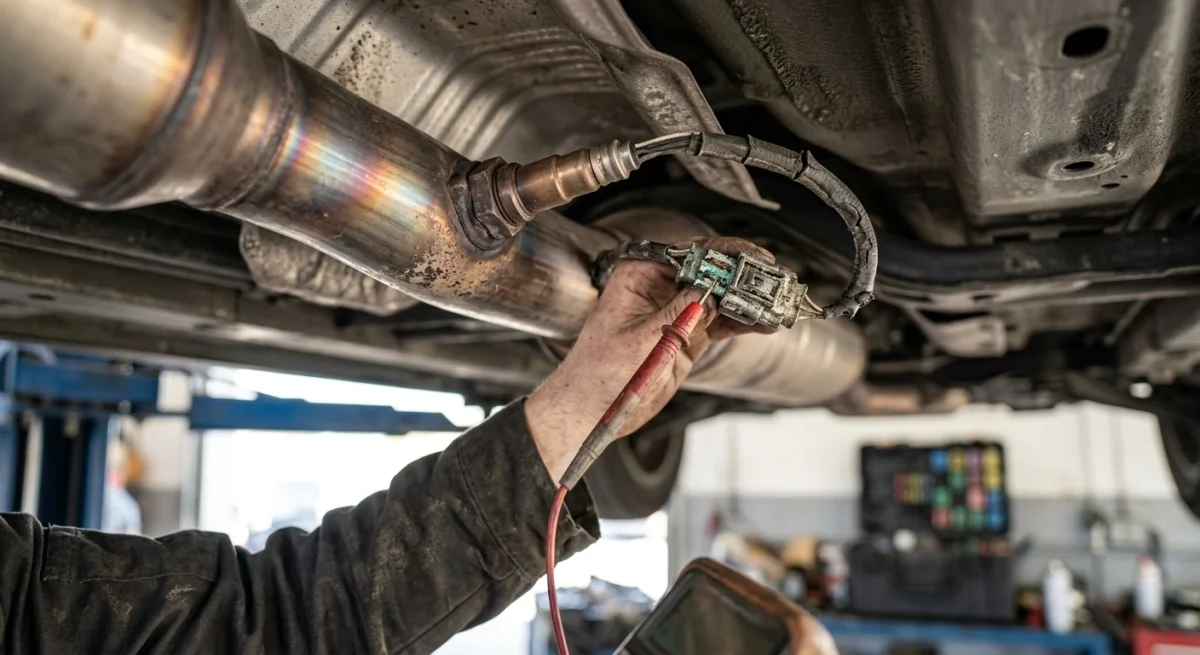
The P0141 code appears mainly due to electrical issues in the heater circuit. It is rarely a mechanical engine problem.
In most cases, the oxygen sensor itself is the root cause.
- Faulty oxygen sensor heater element
- Blown fuse or relay failure
- Damaged wiring or connector corrosion
- ECU power supply issue (rare)
- Exhaust leak near sensor area
The most common failure is internal heater burnout inside the O2 sensor.
This happens because heater elements operate under high heat cycles.
Why oxygen sensors fail early
Short trips and moisture exposure are major causes.
Condensation enters the exhaust system and damages internal wiring over time.
High mileage vehicles above 100,000 km show higher failure rates.
Symptoms You Will Notice
P0141 does not usually cause major driving problems. However, it still affects efficiency and emissions.
Most drivers only notice a check engine light.
- Check engine light stays on
- Slight increase in fuel consumption
- Rough cold start in some vehicles
- Failed emissions test
- Stored OBD2 code P0141
Many drivers confuse it with fuel system issues, but it is usually electrical.
The key sign is stable driving with warning light only.
How to Diagnose P0141 Step by Step
Proper diagnosis prevents unnecessary sensor replacement. You should always test before replacing parts.
The heater circuit is simple to check with basic tools.
- Scan code using OBD2 scanner
- Check fuse for O2 heater circuit
- Inspect wiring harness near exhaust
- Measure sensor resistance with multimeter
- Test voltage supply from ECU
If fuse and wiring are fine, the sensor is usually faulty.
This is the most common repair outcome.
Quick multimeter test insight
A healthy O2 heater usually shows 5–14 ohms resistance.
Infinite resistance means open circuit inside sensor.
How to Fix P0141 Code
Fixing P0141 depends on what failed in the heater circuit.
Most repairs are straightforward and do not require engine teardown.
- Replace oxygen sensor (most common fix)
- Replace blown fuse or relay
- Repair damaged wiring or connectors
- Clear ECU fault codes after repair
In most vehicles, replacing the rear O2 sensor solves the issue immediately.
OEM-quality sensors last longer than cheap aftermarket parts.
Is P0141 Dangerous to Drive With?
P0141 is not an immediate engine danger code.
The vehicle will still run normally in most cases.
However, ignoring it long term increases emissions and fuel consumption.
It can also cause failed inspection tests in regulated areas.
The real risk is reduced efficiency, not engine damage.
Common Misconceptions About P0141
Many drivers misunderstand what this code actually means.
- It is not a fuel injector problem
- It does not mean catalytic converter failure
- It does not affect engine power directly
What most people get wrong is assuming it is a major engine fault.
In reality, it is a small electrical heating issue.
Fixing it early prevents secondary emissions problems.
When You Should Replace the Sensor
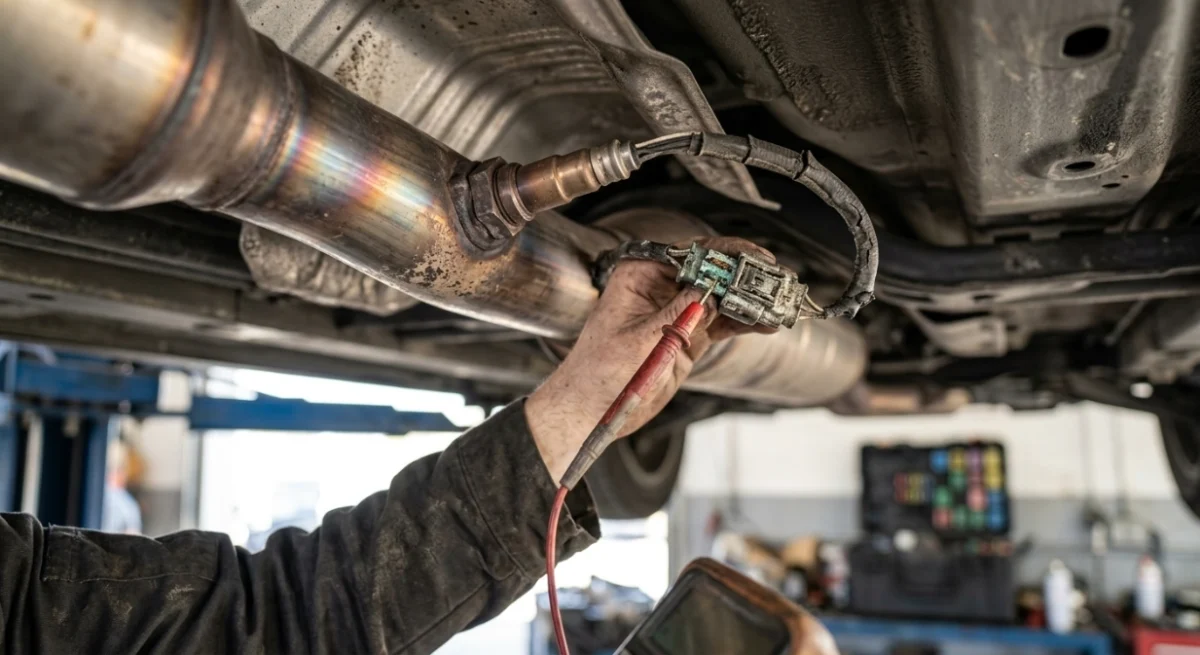
If wiring and fuse are confirmed good, replacement is the best option.
Oxygen sensors are sealed units and cannot be repaired.
High mileage vehicles usually benefit from full replacement.
If code returns after reset, sensor failure is confirmed.
Frequently Asked Questions
Can I drive with P0141 code?
Yes, you can drive with P0141. The engine will not fail. However, fuel economy may drop slightly and emissions will increase. Long-term driving without repair may cause inspection failure.
How much does it cost to fix P0141?
Repair cost depends on cause. Oxygen sensor replacement usually costs moderate labor plus part price. Wiring repairs are cheaper. Total cost is typically low compared to engine repairs.
Can bad fuel cause P0141?
No, fuel quality does not directly trigger P0141. The issue is electrical in the heater circuit. However, poor combustion can indirectly stress sensors over time.
How long does oxygen sensor last?
Most oxygen sensors last 80,000 to 160,000 km. Driving conditions, fuel quality, and engine health affect lifespan significantly.
Will P0141 clear itself?
No, the code will not clear unless the electrical issue is fixed. Sometimes it disappears temporarily but returns after driving cycles.
P0141 indicates a failure in the oxygen sensor heater circuit, not engine damage. The most common fix is replacing the rear O2 sensor or repairing wiring. Acting early improves fuel efficiency and prevents emissions failure.
In modern vehicles, this issue is considered a routine repair, not a serious breakdown risk.
Check your fuse and wiring today to confirm the real cause.
