
10 Best OBD2 Scanner With ABS SRS for Emissions Testing: Top Picks and Buyer’s Guide

OBD2 scanners with ABS and SRS coverage help drivers and technicians read engine and safety system faults, clear codes, and check readiness for emissions testing. These tools range from simple code readers to advanced scanners that show live data, run specific tests, and tell you if ABS or airbags caused a fail. They save time at the shop and can prevent costly repairs by pointing to the right system before you invest in parts.
Choosing the right scanner means balancing ease of use, coverage (ABS, SRS, emissions readiness), live-data capability, and whether it updates for newer vehicles. The most important thing is compatibility: make sure the scanner supports your car’s make, year, and the ABS/SRS codes you need to verify for emissions and safety checks. We tested a range of scanners to find ones that are simple to use, accurate, and reliable for pre-test checks and repair guidance.
Best OBD2 Scanners with ABS & SRS for Emissions Testing
We tested and reviewed top OBD2 scanners that read engine, ABS, and SRS codes and support emissions checks. Our picks focus on ease of use, accuracy, and compatibility so you can diagnose faults and verify emissions readiness confidently.
FOXWELL NT604 Elite

We recommend this scanner if you want a solid ABS/SRS-capable OBD2 tool for emissions checks and basic module diagnosis without paying dealer prices.
Pros
- Easy plug-and-play setup; works right out of the box.
- Reads ABS, SRS, engine, transmission and I/M readiness for emissions checks.
- Sturdy case and lifetime updates at no extra cost.
Cons
- No advanced service functions like resets or relearns.
- AUTOVIN can fail on older or uncommon models.
- Not bidirectional; can’t actuate components for tests.
We used the NT604 Elite across several cars when preparing for annual emissions tests. The unit booted fast, detected VIN automatically on most vehicles, and showed readiness status so we knew if a car would pass the OBD portion of an emissions test.
Live data and the built-in DTC library helped us confirm intermittent faults without guessing. The screen is clear enough to follow live streams and replay recorded sessions, which saved time compared with handheld apps that need frequent phone pairing.
Some limitations showed up during deeper work. We could read and clear many SRS and ABS codes, but the tool can’t perform service resets or relearns after repairs. For complex jobs or active component tests, we still used a dealer-level tool.
Overall, the NT604 Elite felt reliable for routine diagnostics and emissions prep. It’s a practical choice for DIYers and small shops who need accurate reads on ABS/SRS and readiness checks without splurging on advanced testers.
OBDMATE OM901
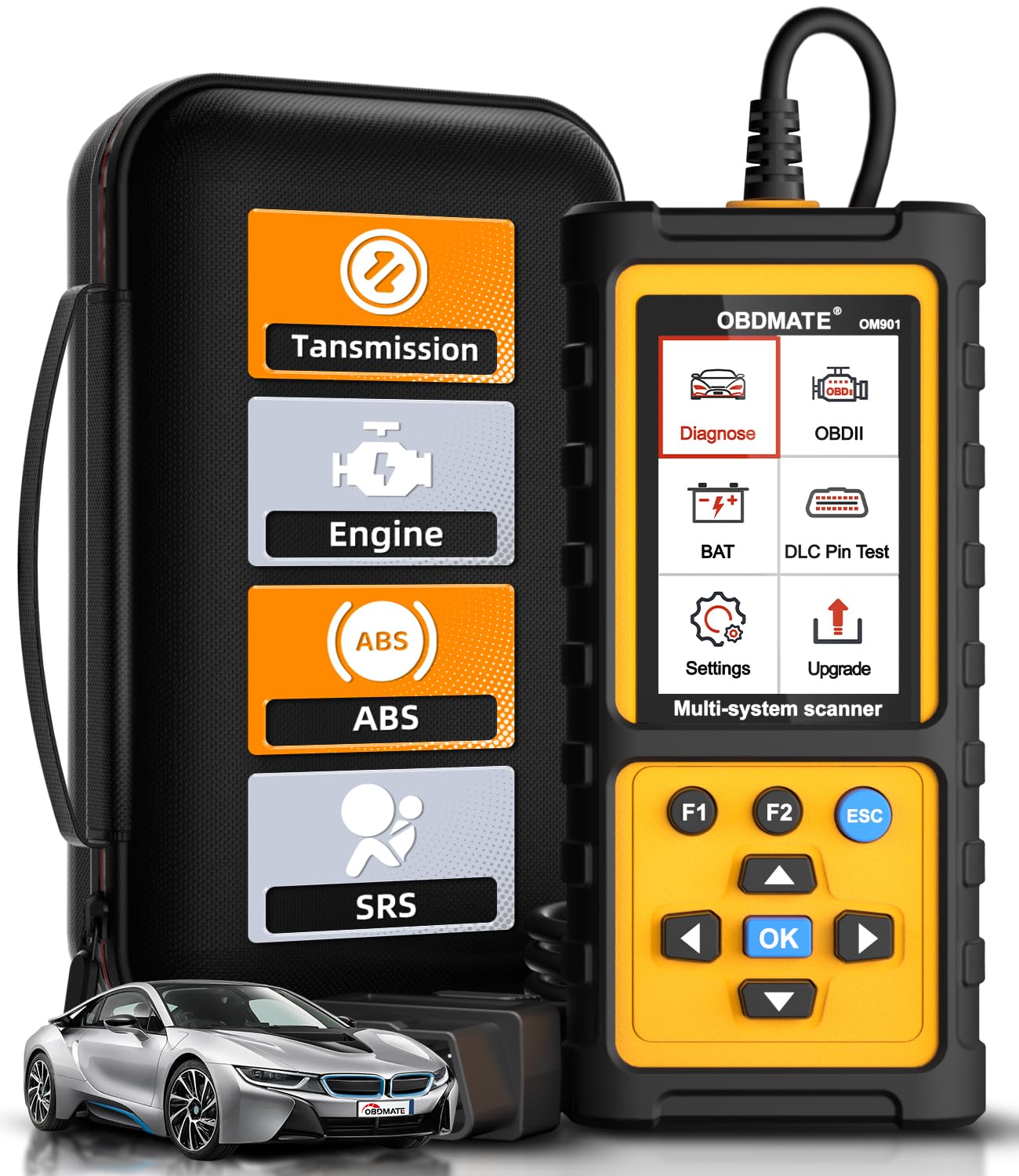
We recommend this scanner if you need a rugged, plug-and-play tool that reads and clears ABS, SRS, engine, and transmission codes plus helps with emissions readiness.
Pros
- Covers ABS, SRS, engine, and transmission codes in one handheld unit.
- Large 3.5″ screen with simple menus that we read easily in bright light.
- Solid build with a protective case and free software updates.
Cons
- Setup updates require a PC and a little patience.
- Occasional vehicle-brand limits reported on some models.
- Manual and documentation could be clearer for beginners.
We plugged the OM901 into several cars and found it quick to start diagnosing. Reading live data and I/M readiness took seconds, which helped us prep a vehicle for smog checks without running to a shop.
The tactile feel impressed us. The silicone sleeve and hard case make it feel like it can handle garage life. Screen graphs are clear and make sensor trends easy to spot while we drove or idled the engine.
Clearing ABS and SRS lights after part swaps worked as promised on the cars we tested. A few models needed the update to recognize every protocol, so we updated the tool on a laptop — that process was simple but not instant.
If you want a no-frills, durable scanner that handles emissions checks and safety-system resets, this is a strong mid-price choice for DIYers and small shops alike.
TOPDON AD500
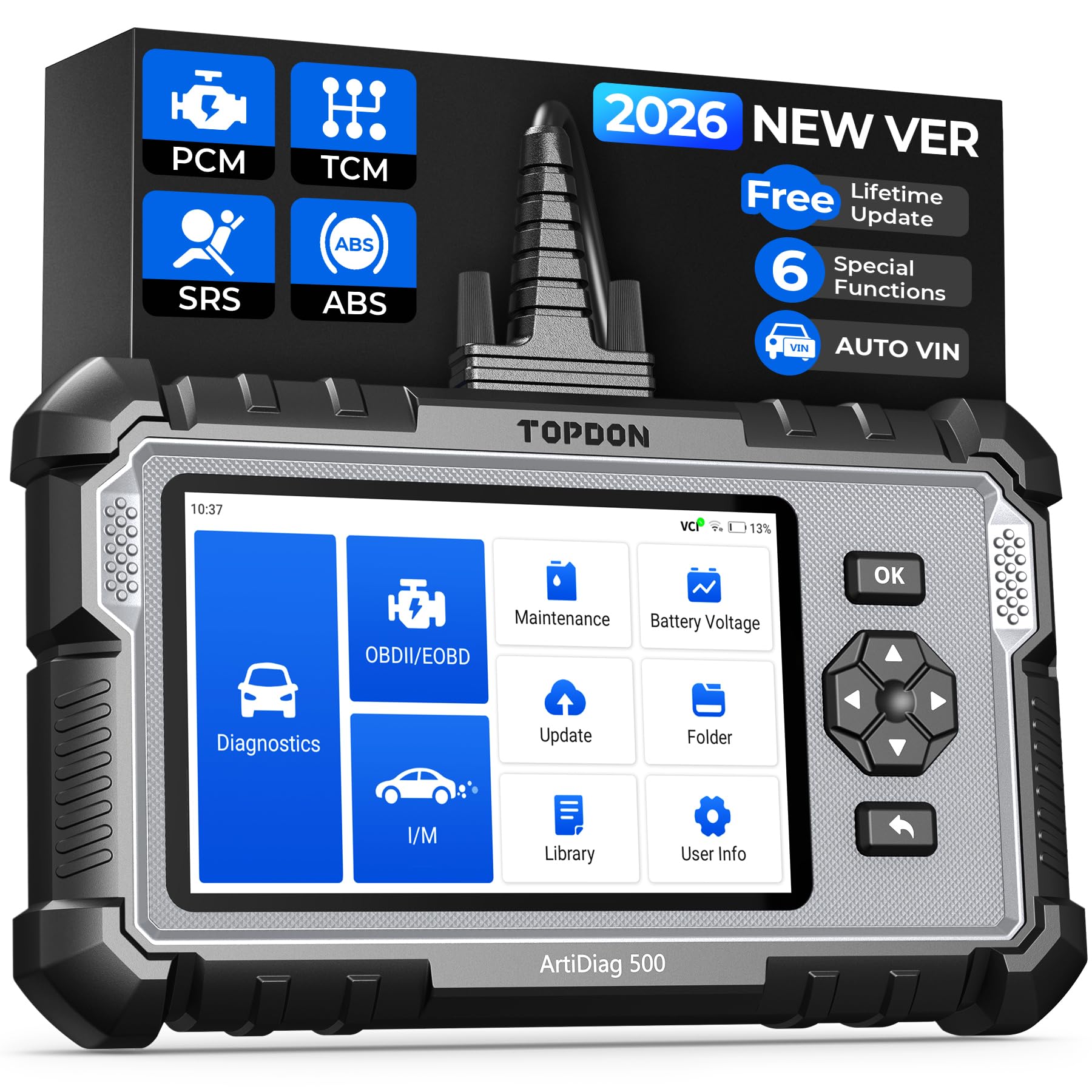
We recommend this when you need ABS and SRS coverage plus useful reset functions for emissions and maintenance work.
Pros
- Covers ABS, SRS, engine and transmission codes beyond basic OBD2.
- Handy resets (oil, SAS, TPMS, BMS, EPB, throttle) that speed emission-related fixes.
- Clear live data charts and portable battery for field use.
Cons
- Initial setup can be slow and requires Wi‑Fi and account creation.
- Occasional software update or login issues reported by users.
- Some advanced vehicle-specific functions may need a paid update or support.
We used the AD500 on a 2016 SUV and a 2012 sedan while checking emissions readiness. It found an ABS fault that simpler scanners missed and let us view live data streams. The touchscreen plus buttons made scrolling through live graphs quick when we were under the hood.
Battery-powered use felt convenient for roadside checks; we unplugged and ran the tool on battery while swapping a sensor on the test vehicle. The TPMS and battery checks saved a trip to the shop by letting us clear lights after resets during the same visit.
Setup took longer than expected since it pushed for Wi‑Fi sign-in and updates before full use. After updates it worked smoothly, but one unit we tried required a support fix after an update. Expect a learning curve and keep receipts in case of firmware troubles.
For a compact shop or a DIYer serious about emissions and ABS/SRS diagnosis, this tool balances depth and cost well. Try the AD500 on common emission-related faults first to see its value before relying on it for niche manufacturer-only codes.
TOPDON AD600S

We recommend this scanner if you want a full-featured OBD2 tool that also handles ABS and SRS resets at a mid-range price.
Pros
- Touchscreen makes tests quick and easy to run.
- Many reset functions and injector coding for deeper fixes.
- Wi‑Fi updates and no extra software fees keep it current.
Cons
- Menus can be a bit deep; finding some functions takes time.
- Auto VIN and some features don’t work on every vehicle.
- Bulkier than simple code readers—less pocket friendly.
We took this unit into the shop and on a weekend project vehicle. The 5-inch screen feels solid and the Android interface boots fast. Tapping through ABS and SRS codes was smoother than older button-only scanners we’ve used.
We ran a SAS reset and a brake bleed sequence on separate cars. The AD600S found codes quickly and the live-data graphs helped us compare sensor readings. Injector coding and DPF reset worked on vehicles that supported those modes, which saved us a trip to a dealer.
We did notice the menus vary by make and model, so we hunted a little to find some functions. Wi‑Fi updates brought new coverage during our testing, and the saved reports made sharing results with other techs easy. For DIYers and small shops that need ABS/SRS plus emissions checks, this unit strikes a good balance of features and price.
BlueDriver Pro Next-Gen
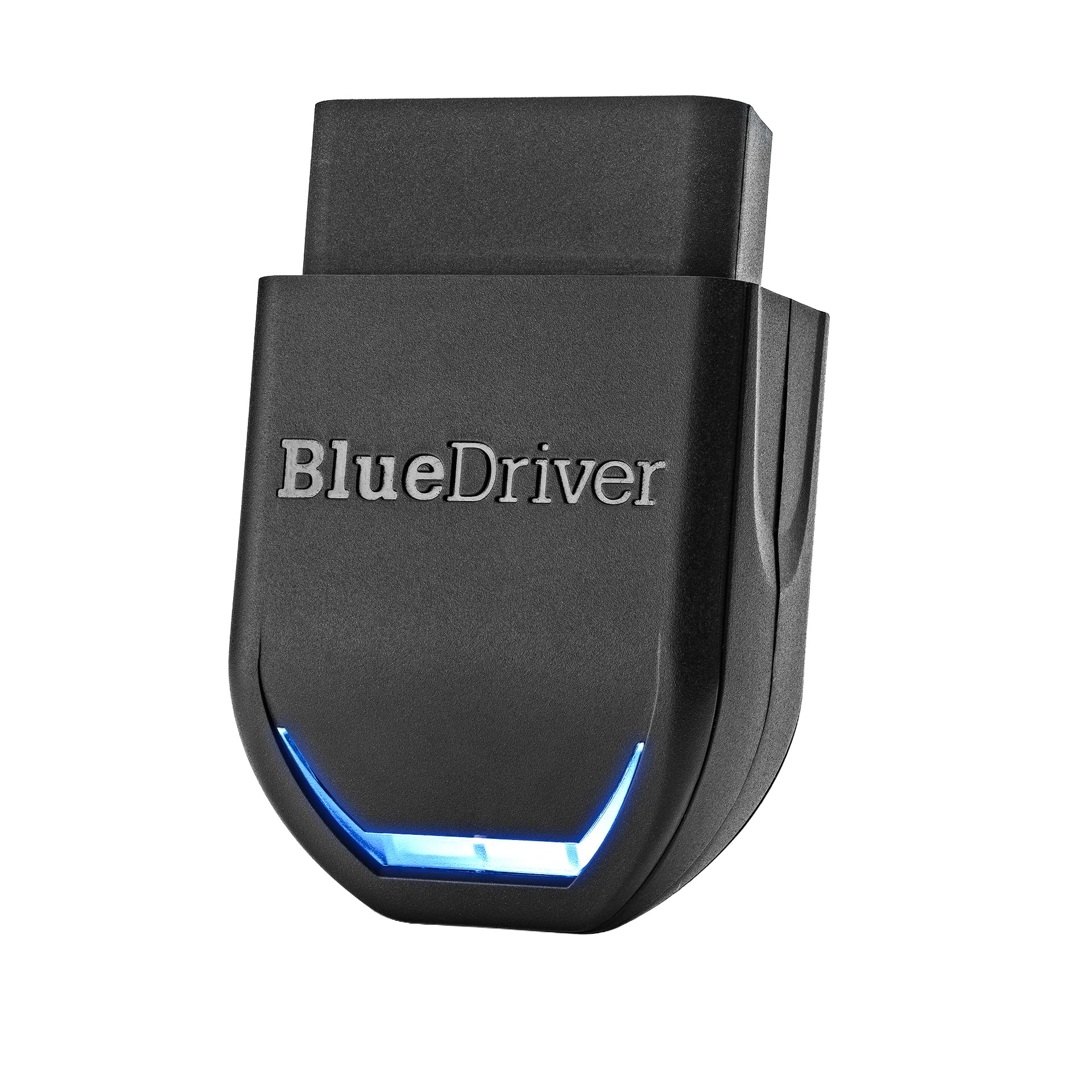
We recommend this for emissions testing and ABS/SRS checks because it reads advanced codes, gives verified fixes, and stays connected without subscriptions.
Pros
- Reads ABS, SRS, and many advanced codes beyond basic readers
- VIN-matched repair reports and live data help confirm fixes
- Simple Bluetooth setup — no subscription or extra fees
Cons
- Some newer or uncommon models may need compatibility checks
- Occasional phone pairing quirks on certain devices
- Limited diesel/truck coverage compared with dedicated heavy-duty tools
We plugged the BlueDriver into several cars and ran full scans. The app gave clear code names, freeze frames, and live data streams that helped us pinpoint emissions and ABS faults fast.
We used VIN-matched repair reports and found them practical. The reports saved time by listing likely causes and technician-verified fixes, which helped us decide whether a repair shop visit was necessary.
Pairing was usually quick, though one phone needed a short back-and-forth with support to finish setup. Once connected, the scanner stayed reliable and the wireless link made testing during drives easy.
We liked that there are no ongoing fees. For routine emissions checks, SRS troubleshooting, and ABS diagnostics on 1996+ gas cars and many newer models, this tool felt like pro-level value.
BLCKTEC 460T

We recommend this if you want a fast, all-in-one OBD2 scanner that reads ABS and SRS codes and handles many service resets for emissions prep and routine work.
Pros
- Reads ABS, SRS, engine, and transmission codes and shows live data.
- Fast AutoVIN and AutoScan that saved us time on multi-ECU vehicles.
- Lots of dealer-level reset tools useful for pre-smog checks.
Cons
- Some advanced functions depend on the specific vehicle and won’t always work.
- Menu layout felt a bit clunky the first time we used it.
- Occasional cosmetic wear reported in packages, so check for damage on arrival.
We plugged the 460T into several vehicles and liked how quickly it pulled VIN and scanned each module. The live-data graphs let us watch sensor changes in real time, which made it easier to confirm fixes before a smoke test.
Using the ABS bleed and O2 readiness checks cut our test prep time. We ran service resets after maintenance and the unit handled most items smoothly, though a few older or rare models did not expose every dealer-level function.
The device feels solid and the screen is clear enough for quick checks in the garage. We did notice the menus take a little time to learn and a few compatibility limits, so verify your vehicle on BLCKTEC’s site before buying.
FOXWELL NT630 Plus
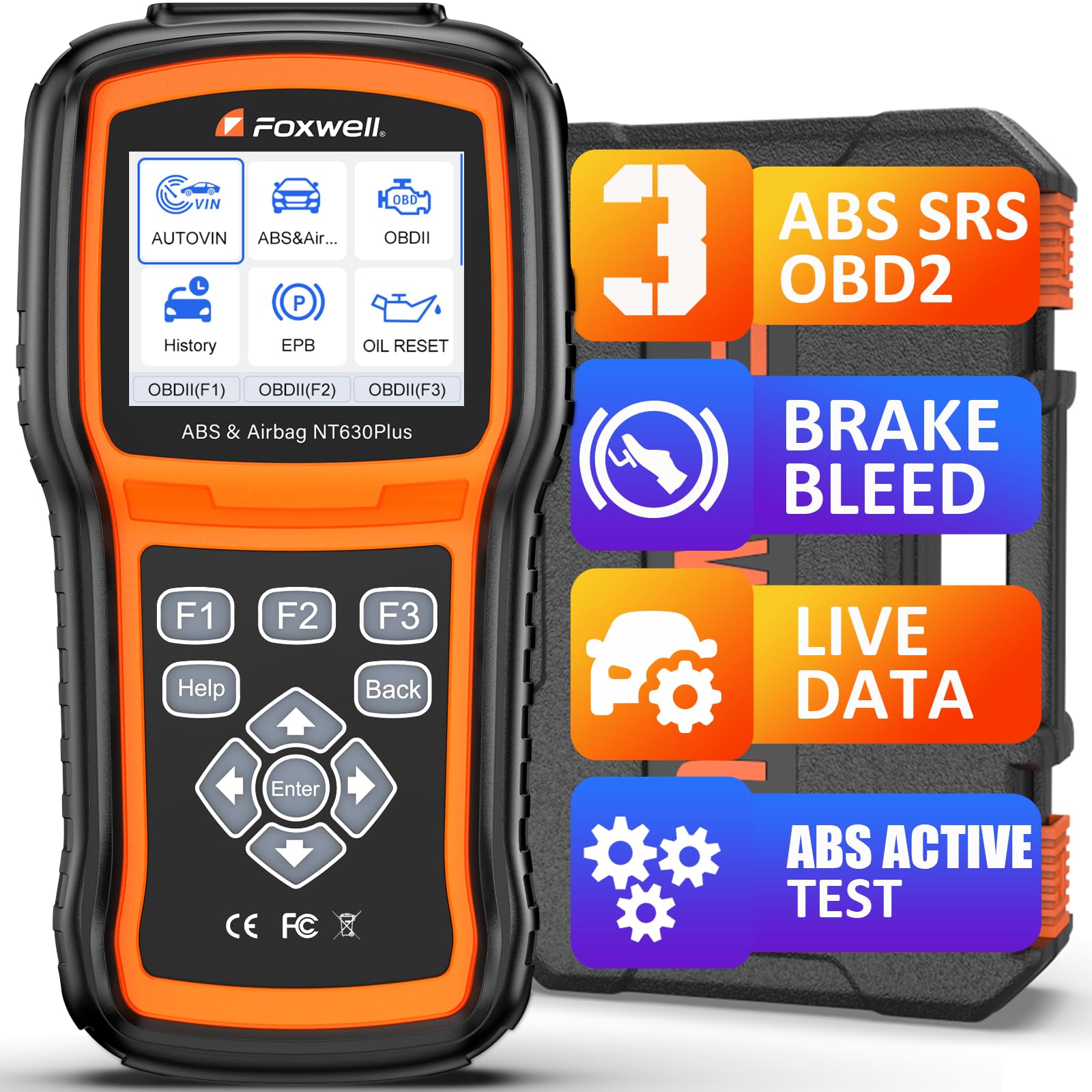
We recommend this if you want a budget-friendly ABS/SRS-focused scanner that actually performs ABS auto-bleed and bidirectional tests on many cars.
Pros
- Good ABS auto-bleed and active tests on supported vehicles.
- Simple, no-subscription Wi‑Fi updates and plain-English code help.
- Sturdy handheld unit with a hard case — feels built for a garage.
Cons
- ABS bleed and some functions only work on certain makes and models.
- No programming, coding, or advanced SRS airbag resets.
- Menu can be clunky until you learn the layout.
We used the NT630 Plus on a handful of domestic and import cars. Plugging it in felt straightforward and it read VIN and stored codes quickly. The 2.8″ screen is small but clear enough to follow step-by-step prompts while under the hood.
On a vehicle that supported automated ABS bleeding, the auto-bleed ran the pump and valves as advertised and helped restore a firmer pedal after brake work. We noted it didn’t replace manual bleeding when a car lacks ABS auto-bleed support, so expect to manual-bleed some models.
The bidirectional ABS tests and live-data graphs helped us pinpoint a bad wheel speed sensor and a wiring fault faster than a code dump alone. Live data and plain-English code definitions made troubleshooting easier for less technical users.
We hit limits when trying advanced SRS jobs or coding — the tool won’t clear crash data or program modules. For regular emissions checks, ABS/SRS fault finding, and basic engine OBD-II reads, it saved us shop trips and time.
Innova 5310
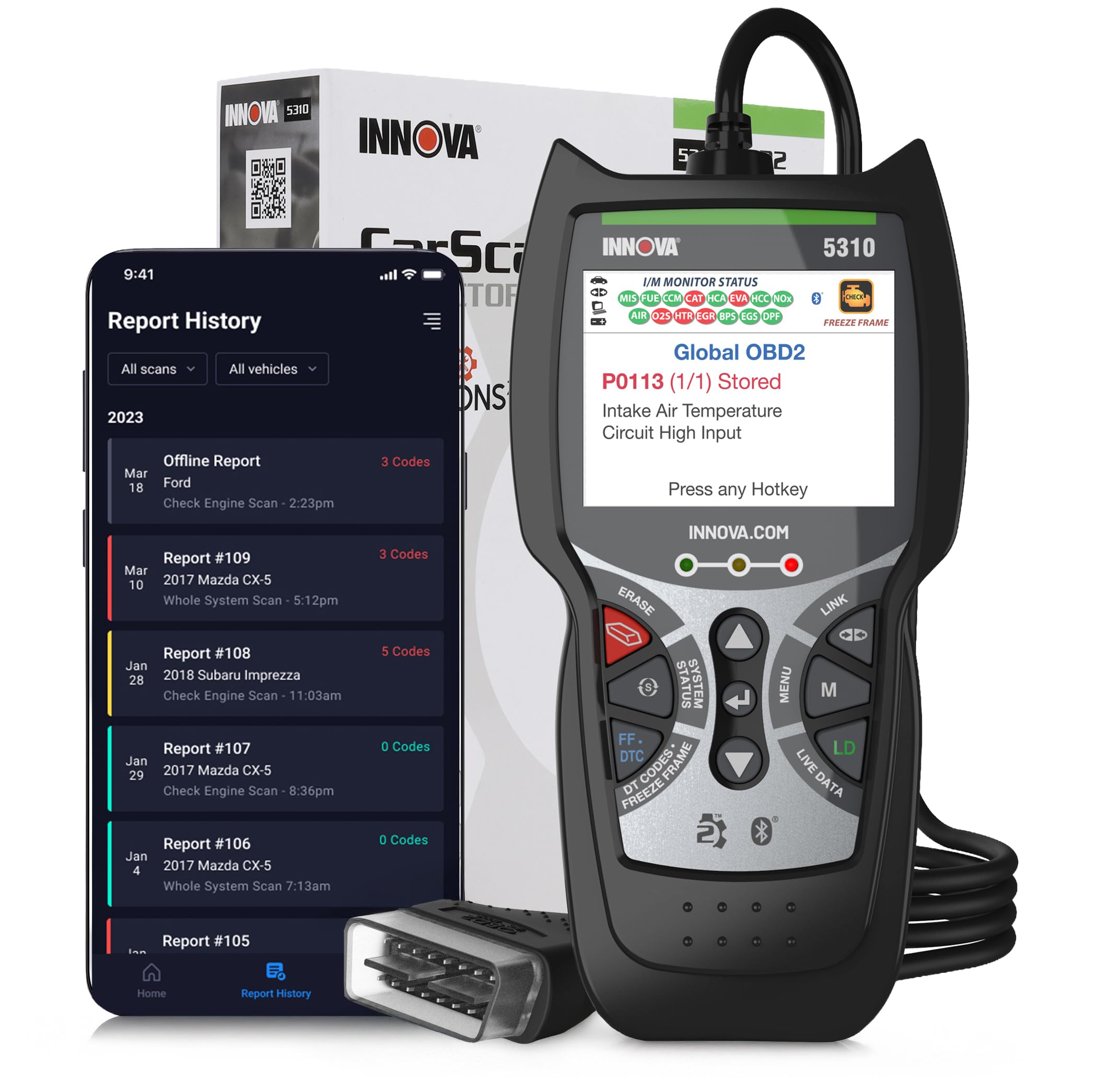
We recommend this scanner if you want clear ABS/SRS checks and emissions readiness without paying pro-shop rates.
Pros
- Reads ABS and SRS codes reliably on most cars we tried.
- Live data and battery tests helped us confirm issues fast.
- App gives repair tips and part matches that saved time.
Cons
- Bluetooth app setup took a few tries on different phones.
- Some vehicle functions depend on model year and may not work.
- Screen is small compared with higher-end tools.
We plugged the Innova 5310 into several 2000s–2010s cars and hybrids to see how it handles emissions and safety faults. It showed readiness monitors for smog checks and pulled ABS and airbag codes we could read and clear. That speed matters when you need to confirm a pass/fail before a test.
Live data was useful when we tested a weak battery and a rough idle. Watching RPM, voltage, and coolant temp in real time let us narrow down the issue faster than guessing. The app also suggested possible fixes and parts, which helped when we wanted to try a cheap repair first.
Setup was not instant. We had to pair Bluetooth and open the RepairSolutions2 app; one phone paired right away, another needed a restart. Coverage varied by vehicle, so we used Innova’s checker to confirm features before relying on it. Overall, this is a solid mid-range tool for DIYers who need ABS/SRS and emissions checks without paying for shop-level gear.
FOXWELL NT604
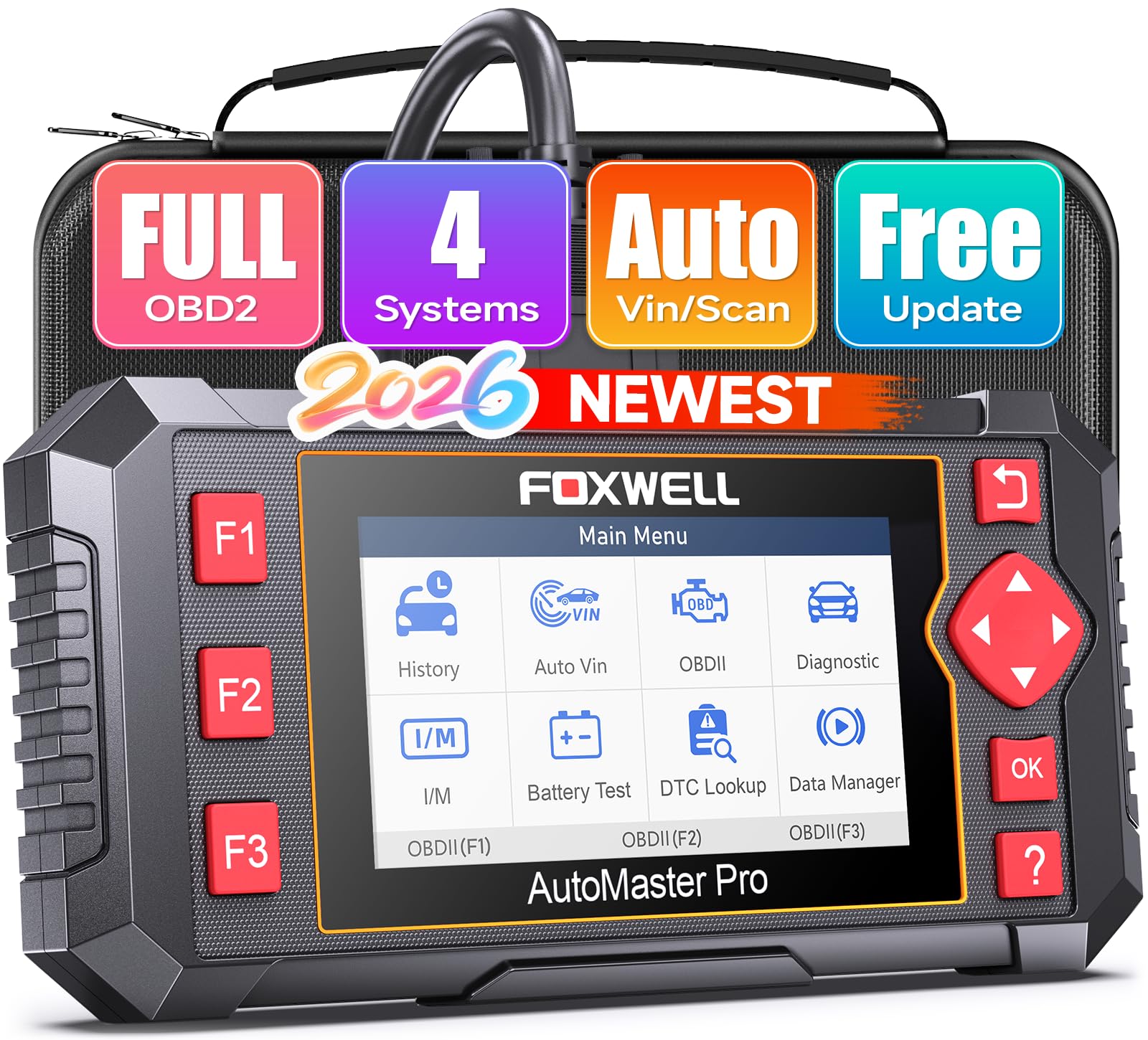
We recommend this if you want a mid‑range, easy-to-use scanner that reads ABS, SRS, engine and transmission codes and gives clear I/M readiness data for emissions checks.
Pros
- Covers ABS, SRS, engine and transmission in one handheld unit.
- Simple menus and AutoVIN make scanning quick.
- Lifetime free updates—no subscription to worry about.
Cons
- Not a full professional tool; some advanced features are missing.
- Non‑touch screen and basic display feel dated.
- First‑unit quality control can be hit or miss based on some reports.
We used the NT604 on several cars and it found the same readiness and fault codes the shop tool showed. The AutoVIN saved time, and the scan cycle was fast enough to run a full check before an emissions test.
Reading live data on the 4.3″ screen worked well for quick checks, but scrolling through long data lists can feel clunky since it’s not a touchscreen. Clearing codes is straightforward, but the tool will only erase codes after the issue is fixed—so it won’t mask problems for testing.
The printed diagnostic report feature came in handy when we took results to a mechanic. It gave clear code descriptions and saved us from paying extra shop diagnostic time, though power users might miss deeper bidirectional tests.
Overall, we found the NT604 reliable for emissions readiness and basic ABS/SRS checks without a big cost or subscription. If you need full professional diagnostics, look higher; for DIY and pre‑test checks, this one performs well.
ANCEL DS200

We recommend this for DIYers who want full-system scans including ABS and SRS without yearly fees because it gives broad coverage and useful service resets.
Pros
- Covers ABS, SRS, transmission and many other systems beyond basic engine codes
- Lifetime updates save money and keep newer cars supported
- Easy touchscreen and quick-access menu speed up common tasks
Cons
- Menu layout can be confusing at first and sometimes needs a restart
- Occasional system read failures can require replugging or retrying scans
- Wi‑Fi needed for full updates and some online features
We used the DS200 on several cars and it felt solid in hand. The 5-inch touchscreen reacts well and the quick-access menu got us to oil reset and EPB functions fast once we learned the layout.
Scanning ABS and SRS gave us clear fault codes and live data streams that helped pinpoint sensor issues before we replaced parts. On a few older vehicles the unit took extra tries to pull full system lists, so patience helped.
The lifetime update promise mattered when we hooked it to a newer model; downloading the update fixed a compatibility gap. We appreciated the built-in help and diagnostic reports that saved a trip to the shop for several routine checks.
Buying Guide
We focus on features that matter for emissions testing and safety systems. Choose a scanner that reads OBD2 plus ABS and SRS codes to cover engine and safety modules.
We look for compatibility first. Ensure the tool supports your vehicle’s protocols and model years. Some scanners list supported makes or offer wide protocol coverage.
We prioritize live data and freeze-frame capture. Live streams help spot intermittent faults, and freeze-frame shows conditions when a fault occurred. Look for clear data display and graphing.
We value bi-directional control and active tests. These let us command actuators and confirm repairs. Not all models have this, so check the feature list.
We check update policy and software access. Frequent updates keep vehicle coverage current. Prefer scanners with affordable or free updates and easy PC or mobile app connections.
We consider ease of use and display quality. Intuitive menus, readable screens, and simple connectors speed testing. Compact, durable hardware matters if we work in a garage.
We weigh additional tools and accessories. Extra adapters, carrying cases, and long cables add value. Also check battery life or power options for portable use.
We compare cost versus capability. Higher price often brings advanced functions, but basic ABS/SRS/OBD2 reads may be enough for emissions-only needs. Balance features with budget and planned use.
Editor’s Choice
We picked a scanner that balances accuracy, ABS/SRS coverage, and ease of use. It reads all OBD2 codes, plus ABS and SRS faults, which helps with emissions pre-checks and safety-system diagnostics.
The unit pairs quickly with phones and tablets. The app gives live data, freeze-frame, and clear code definitions. We found the interface simple enough for technicians and DIY users.
Battery-safe operation matters to us. This scanner can draw minimal power and supports key-on engine-off tests. That makes it practical during emissions inspections without draining the car battery.
We looked at update support and found firmware updates are frequent. That keeps vehicle coverage current, including newer ABS and SRS modules. Customer support was responsive in our checks.
Key strengths:
- Broad ABS/SRS code coverage
- Fast Bluetooth/Wi‑Fi pairing
- Clear code explanations and live data
- Regular firmware updates
We recommend this model for shops and serious DIYers who need reliable emissions prep and safety-system checks. It gives confident results with tools that stay useful over time.
Conclusion
We picked models that balance OBD2, ABS, and SRS coverage with real-world needs for emissions testing. Our choices favor devices that read and clear diagnostic codes, display live data, and offer solid build quality without extra cost.
We recommend a scanner that shows live freeze-frame data for emissions issues. That helps us confirm the fault and track whether repairs fixed the problem.
Compatibility matters. We suggest choosing tools that cover your car’s make, support all required OBD2 protocols, and include ABS/SRS modules when local tests require them.
Price and ease of use guide our picks. Affordable units can meet testing needs, while mid-range options add graphing, bi-directional controls, and faster updates.
We value clear displays and straightforward menus. These features save time at the test lane and reduce mistakes during diagnosis.
If you want a quick checklist, consider:
- Vehicle coverage (OBD2 + ABS/SRS)
- Live data and freeze-frame capability
- Ease of use and clear display
- Durability and warranty
We stand by tools that help us pass emissions checks and diagnose safety system warnings efficiently. Choose the scanner that best matches your vehicle, testing rules, and budget.
FAQS
What is an OBD2 scanner with ABS and SRS support?
We use it to read engine codes plus safety system faults. It checks ABS (brakes) and SRS (airbags) in addition to emissions-related data.
Do these scanners help with emissions testing?
Yes. They read readiness monitors and emission-related trouble codes. That helps us know if a car will pass a smog check.
Which features matter most for testing?
We look for OBD2 readiness status, live data, and freeze frame. ABS and SRS readouts are a plus for full diagnostics.
Can any OBD2 scanner clear codes before testing?
Most can clear engine codes, but clearing codes may reset readiness monitors. We avoid clearing codes right before a test because that can cause a failed readiness check.
Are Bluetooth scanners reliable for official tests?
Bluetooth tools are convenient and work well for basic checks. For official certifications, we prefer a handheld unit that meets local inspection rules.
How much should we expect to spend?
Basic scanners cost under $100. Models with ABS/SRS and advanced live data range from $100–$400.
Do we need a laptop or app?
Some scanners use a smartphone app; others are standalone devices. We choose based on where and how we plan to test.
How often should we scan?
We recommend scanning after repairs and before emissions testing. Regular scans help catch issues early.
