
10 Best OBD2 Scanners With Diesel Truck Codes in 2026

A basic OBD2 code reader tells you a check-engine light is on. It rarely tells you anything about your Cummins ISX throwing a derate, your Detroit DD15 stuck in a partial regen cycle, or an ABS fault on a Freightliner chassis. Diesel trucks run on different communication protocols than passenger cars, and pulling real diagnostic data off a Class 4-8 vehicle means the scanner has to speak J1939 and J1708, not just generic OBD2.
That distinction separates the tools in this roundup. Some of these scanners are built specifically for heavy-duty diesel work, with forced DPF regeneration, injector coding, and full-system access across ABS, transmission, and aftertreatment. Others are excellent passenger-car scanners that stop well short of true heavy-duty coverage. Buying the wrong one means paying for features you can’t use, or worse, missing the ones you actually need.
We looked at bidirectional control, protocol support, DPF/regen capability, service resets, update policies, and how each tool handles mixed fleets of trucks and cars.
Best for mixed car and light-truck shops: Innova 5610 OBD2 Bidirectional Scan Tool
Best for owner-operators running Cummins, Detroit, or PACCAR: Launch CRP129HD Heavy Duty Truck Scanner
Best budget DPF regen tool: NEXAS NL102P Heavy Duty Truck Scanner
Best DIY heavy-duty scanner with lifetime updates: LAUNCH CR HD V2 Heavy Duty Truck Scanner
Best simple code reader for bus and fleet techs: Autel AutoLink AL529HD
Best no-frills truck code reader without regen: NEXAS NL102 Heavy Duty Truck Scanner
Best for Cummins and Caterpillar DPF work: ANCEL HD430 Heavy Duty Truck Scanner
Best compact regen tool for Detroit and PACCAR engines: ANCEL HD110 Heavy Duty Truck Scanner
Best wireless scanner for passenger vehicles: BlueDriver OBD2 Scanner
Best budget code reader for basic check-engine diagnostics: ANCEL AD310 Classic Enhanced Scanner
Innova 5610 OBD2 Bidirectional Scan Tool

Buy this one if your fleet is mostly gas and light-diesel pickups rather than Class 6-8 trucks, since it doesn’t speak J1939.
Pros
- Bidirectional controls for fuel pump, parking brake, and other actuators
- Enhanced live data for ABS, SRS, transmission, and engine
- Free updates with no subscription, backed by US-based phone support
Cons
- No J1939/J1708 support, so it’s off the table for true heavy-duty trucks
- Coverage varies by make and model; not universal
- Bidirectional features depend on vehicle compatibility
The 5610 earns its keep on 1996-2023 OBD2 vehicles, including light trucks with a standard 16-pin port. Its special reset function handles dealer-level relearns for things like steering angle sensors and electronic parking brakes, which is a genuine step up from a basic reader. For a mechanic servicing pickups, SUVs, and passenger cars, it’s a strong all-rounder.
It won’t help with a Freightliner or Kenworth running J1939 protocols. Treat it as a car and light-truck tool, not a heavy-duty diesel scanner.
Launch CRP129HD Heavy Duty Truck Scanner
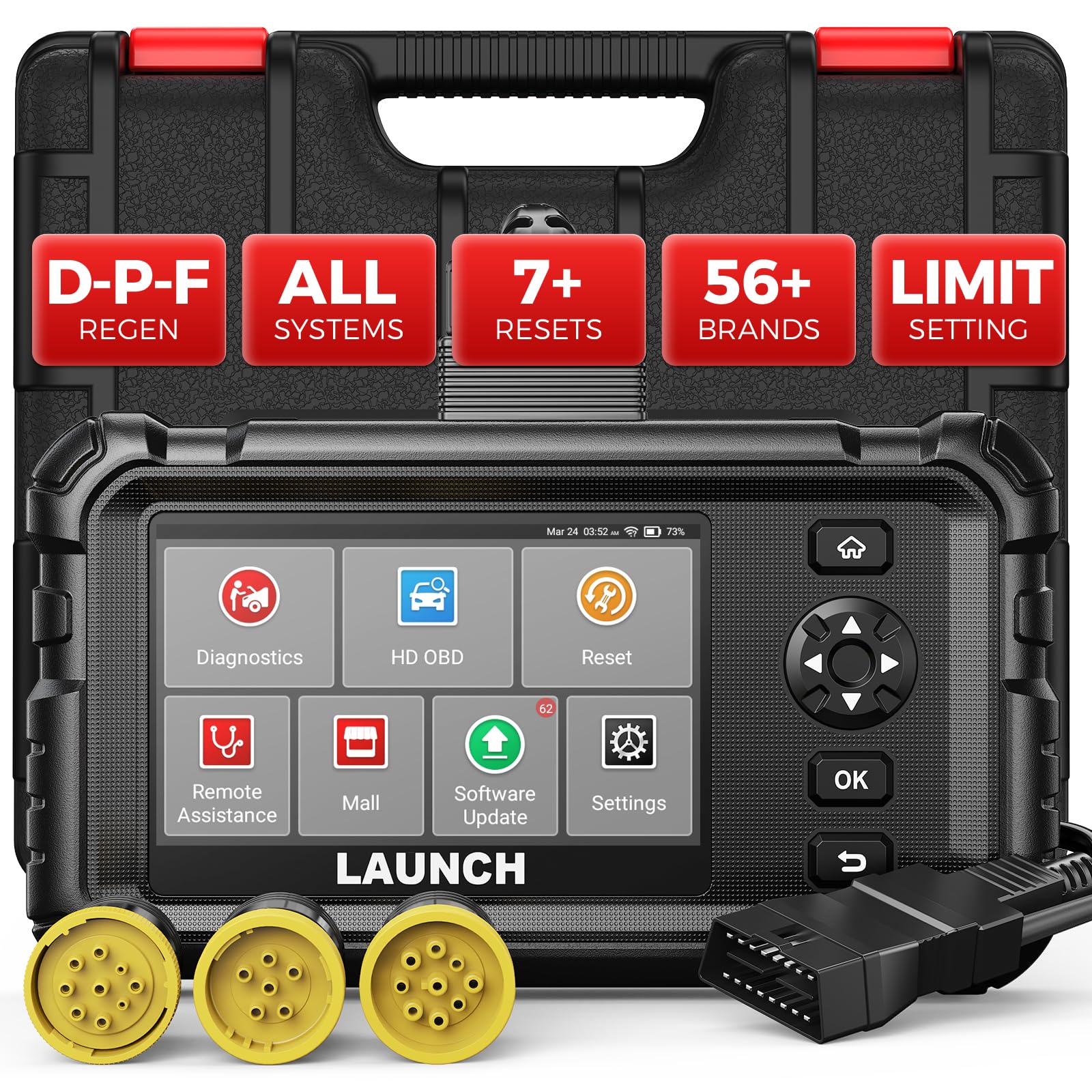
Buy this if you need one scanner to cover 50+ truck brands with forced DPF regen and real bidirectional resets.
Pros
- Forced DPF regen plus 7+ resets including injector coding and clutch relearn
- Full-system diagnostics across engine, ABS, transmission, SRS, SAS, and TPMS
- Built-in TeamViewer for remote tech support during tough diagnoses
Cons
- Larger unit than a pocket code reader
- Free updates run for 2 years, not for life
- Some functions vary by vehicle model, so coverage checking matters
This is a legitimate heavy-duty scanner, not a rebadged passenger tool. It runs J1939, J1708, J1587, and OBD2/CAN, and covers Cummins, Detroit, Caterpillar, Volvo, Mack, and more. Owner-operators dealing with a stubborn DPF light will get real use out of the forced regen function.
The remote diagnostic support stands out. Being able to hand a technician live data during a roadside breakdown can save a tow.
NEXAS NL102P Heavy Duty Truck Scanner
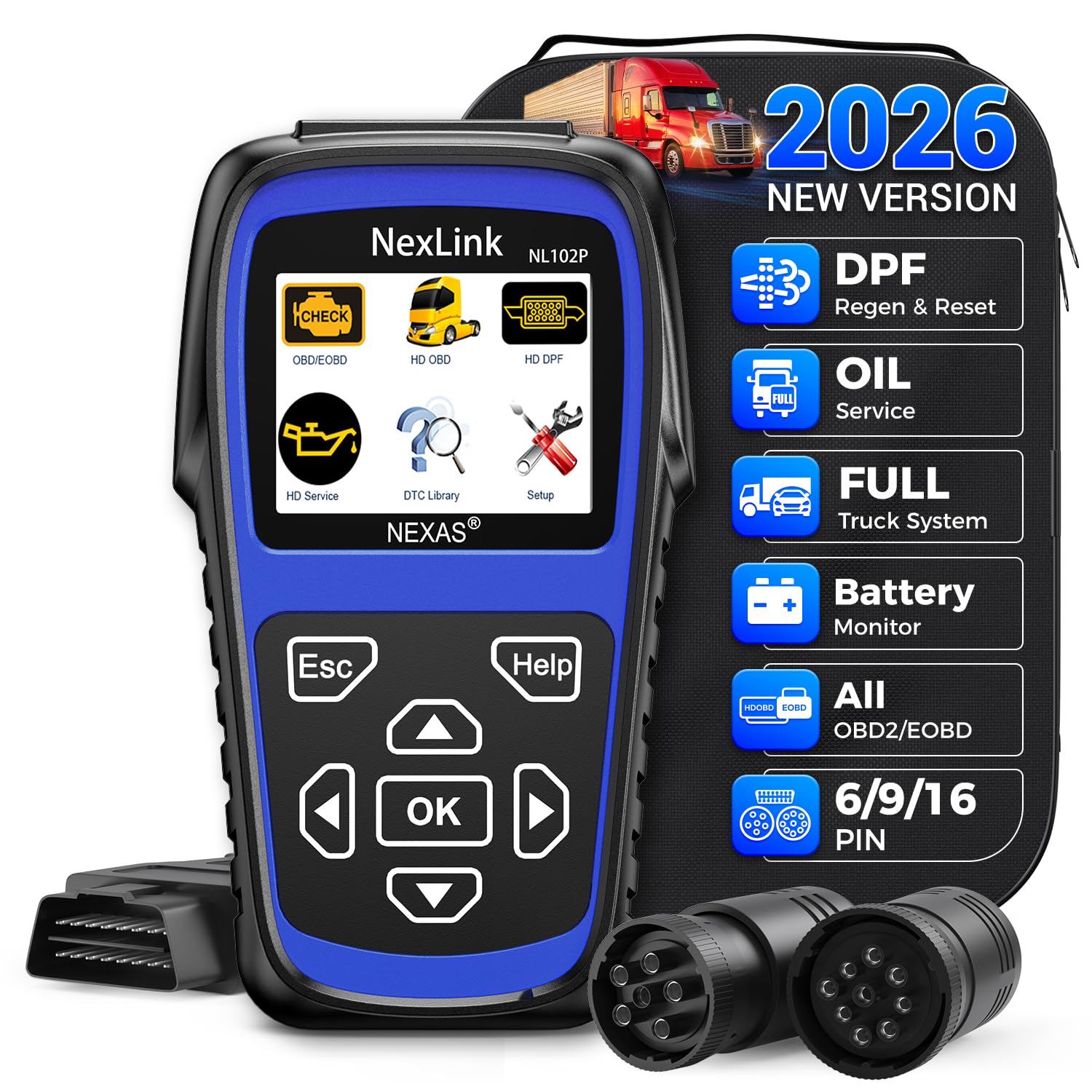
Buy this for an affordable entry point into DPF regen and Class 4-8 diagnostics without paying fleet-tool prices.
Pros
- Supports parking, driving, and onboard DPF regen
- 6-pin, 9-pin, and 16-pin connectors cover most heavy-duty and OBD2 vehicles
- Oil reset and battery voltage monitoring included
Cons
- Smaller 2.8-inch screen than pricier competitors
- Some owners report slow processing and dated initial software
- DPF coverage limited to specific engines like Cummins, Detroit, Maxxforce, Hino, and Isuzu
The NL102P handles the core heavy-duty protocols (J1939, J1708, J1587) and covers Freightliner, Kenworth, Peterbilt, Volvo, Mack, and International chassis. For owner-operators who mainly need DPF regen and fault code clearing without paying for extra bells and whistles, it does the job.
Response speed lags behind faster processors in this category. Budget scanners trade some snappiness for the price cut, and this is no exception.
LAUNCH CR HD V2 Heavy Duty Truck Scanner
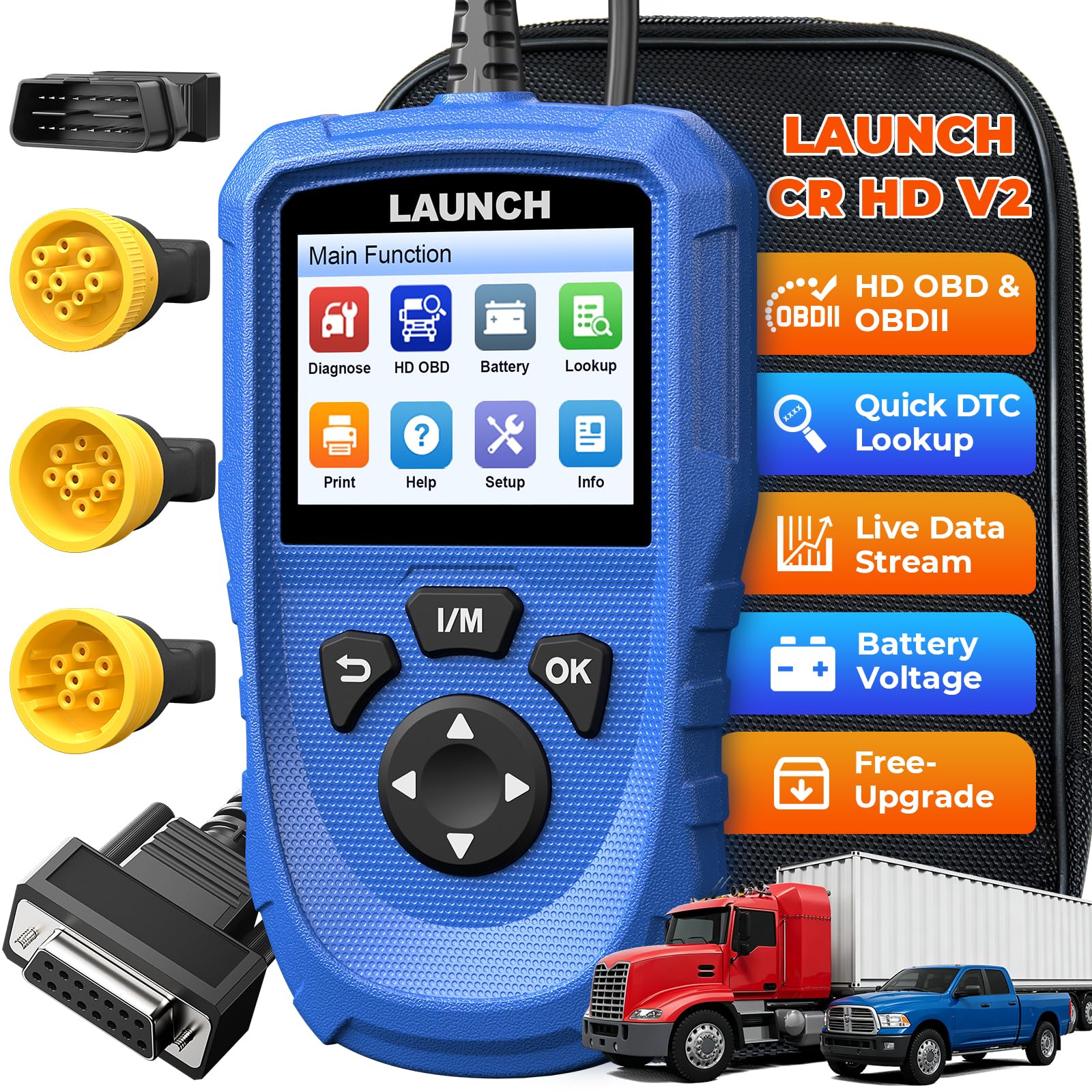
Buy this if you want a DIY-friendly heavy-duty scanner with lifetime software upgrades instead of a capped update window.
Pros
- Covers J1708, J1939, J1979, J1850, PWM, and VPW protocols
- Four included adapters cover pre/post-2007 trucks and most light-duty vehicles after 2000
- Lifetime upgrades through Launch’s registration system, no recurring fees
Cons
- Passenger cars limited to OBD2-only diagnostics
- Some users find the on-screen menus a step below premium tools for the price
- No forced DPF regen listed among its functions
Auto Search mode picks the right protocol automatically, while Manual Select handles oddball trucks that trip up the auto-detect. That flexibility, combined with the DTC lookup library, cuts diagnostic guesswork for daily troubleshooting.
The absence of DPF regen is worth flagging. If forced regeneration is a must-have, look at the CRP129HD or an ANCEL model instead.
Autel AutoLink AL529HD

Buy this for a straightforward, no-nonsense code reader that handles both J1939/J1708 trucks and OBDII cars.
Pros
- Reads and erases codes on heavy-duty and passenger vehicles alike
- AutoVIN function retrieves VIN, CALID, and CVN automatically
- Live PCM data stream and O2 sensor test display
Cons
- No DPF regen or bidirectional controls
- Some owners report it won’t clear certain Cummins ECU codes
- Small screen and dated interface next to newer competitors
Fleet mechanics servicing buses and mixed trucks like this one for quick, no-frills code pulls. It’s built for reading and clearing, not for deep bidirectional work or service resets.
If your job stops at “what’s the code and can I clear it,” this tool covers that reliably across two truck protocols and full OBDII.
NEXAS NL102 Heavy Duty Truck Diagnostic Scanner

Buy this if you need dependable code reading and live data on Class 4-8 trucks and don’t require DPF regen.
Pros
- Full system diagnostics on major heavy-duty brands plus complete OBD2 functionality
- Built-in DTC lookup explains codes without a manual
- Free lifetime software updates and support included
Cons
- No DPF regeneration; that’s reserved for the NL102P
- A few owners report inconsistent results on certain Freightliner setups
- Basic 2.8-inch screen
This is the sibling to the NL102P minus the regen functions, priced accordingly. For owner-operators who just need to identify a fault and clear it after a repair, that’s not a real loss.
Live data access helps confirm a repair worked before sending the truck back out. Skipping regen keeps the price down for shops that already have a dedicated regen tool.
ANCEL HD430 Heavy Duty Truck Scanner
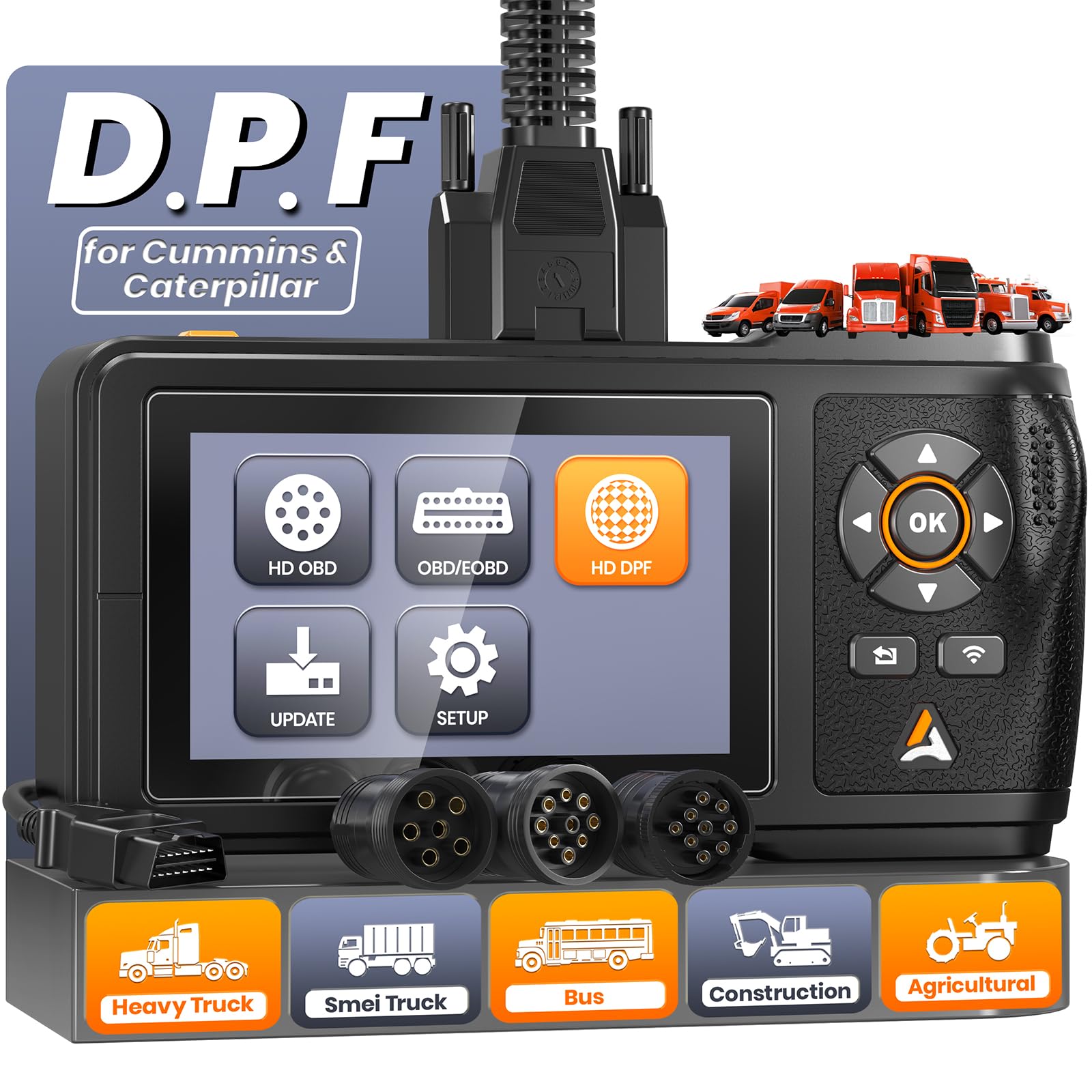
Buy this for dedicated Cummins and Caterpillar DPF regen work alongside full heavy-duty system diagnostics.
Pros
- DPF reset and regen built specifically for Cummins and Caterpillar engines
- Full-system access across engine, ABS, transmission, and fuel systems
- Larger 4.3-inch screen with Wi-Fi lifetime updates
Cons
- DPF regen and HD OBD not supported on pickups or light trucks
- A few owners report the tool won’t fully clear all fault codes
- Limited to specified diesel connectors; verify pinout before buying
The HD430 is upfront about its lane: heavy-duty Cummins and Caterpillar platforms get full regen support, while pickups only get standard OBDII/EOBD engine diagnostics. That’s a smart design choice, since it avoids overselling capability on trucks it can’t fully cover.
Shops running mixed Cummins and Cat fleets get the most value here. Confirm your specific engine and chassis against ANCEL’s coverage list before buying, since regen support is engine-specific.
ANCEL HD110 Heavy Duty Truck Scanner
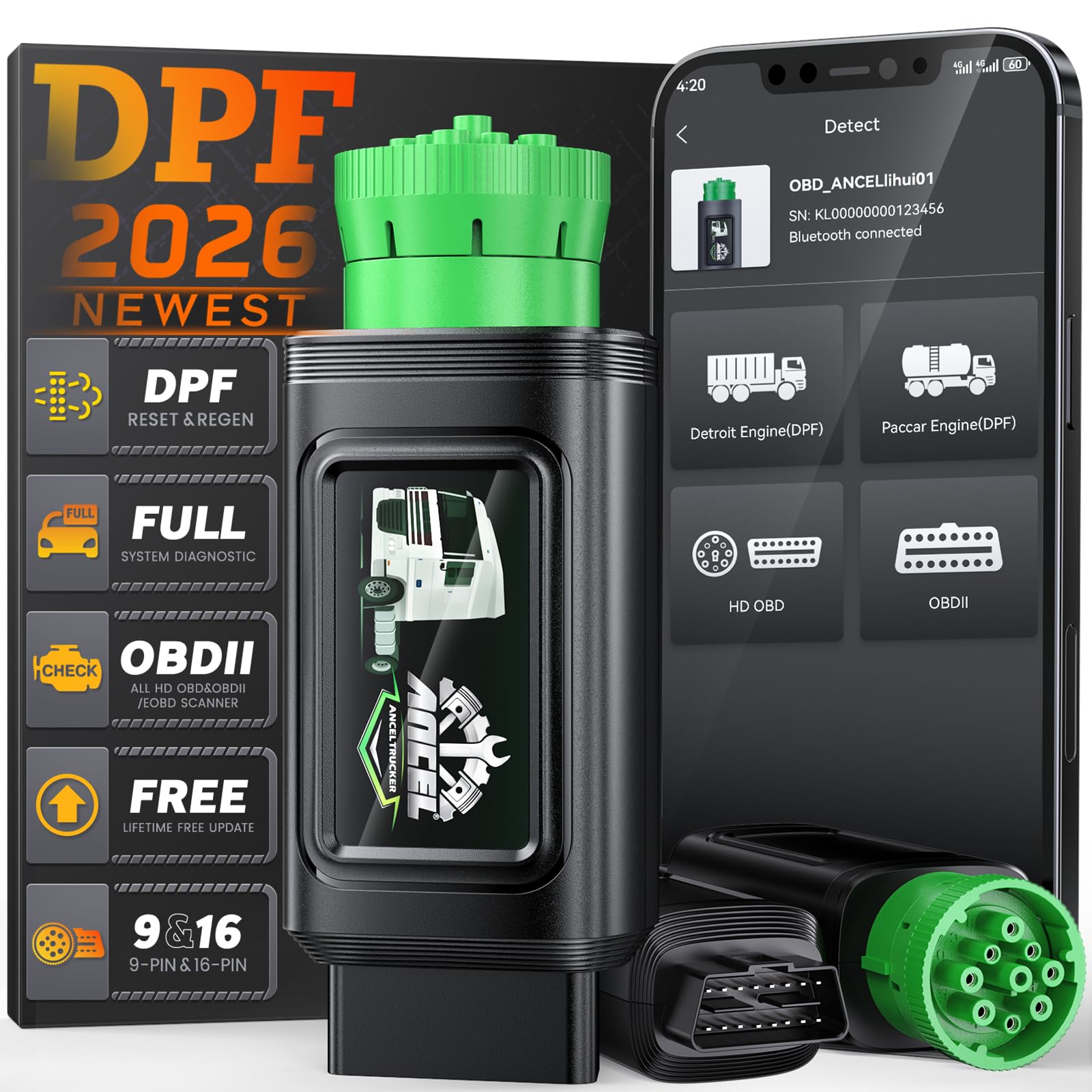
Buy this if your trucks run Detroit or PACCAR engines and you want compact DPF regen without a subscription.
Pros
- Built specifically for Detroit (DD13/DD15/DD16) and PACCAR (PX-7/PX-9/MX-11/MX-13) engines
- Bluetooth and Wi-Fi connectivity for quick plug-and-play setup
- Lifetime software updates included
Cons
- Narrower engine focus than multi-brand competitors
- A few owners report regen doesn’t initiate on newer Gen 5 DD15 units
- Smaller 2.8-inch screen
Owner-operators running PACCAR MX-13 or Detroit DD15 engines report real savings on ghost check-engine lights that would otherwise mean a dealer visit. The 9-pin and 16-pin adapters cover most connection needs out of the box.
Newer Detroit Gen 5 engines occasionally need Detroit’s own proprietary software for full regen support. Check your engine generation before counting on this as your only regen tool.
BlueDriver OBD2 Scanner
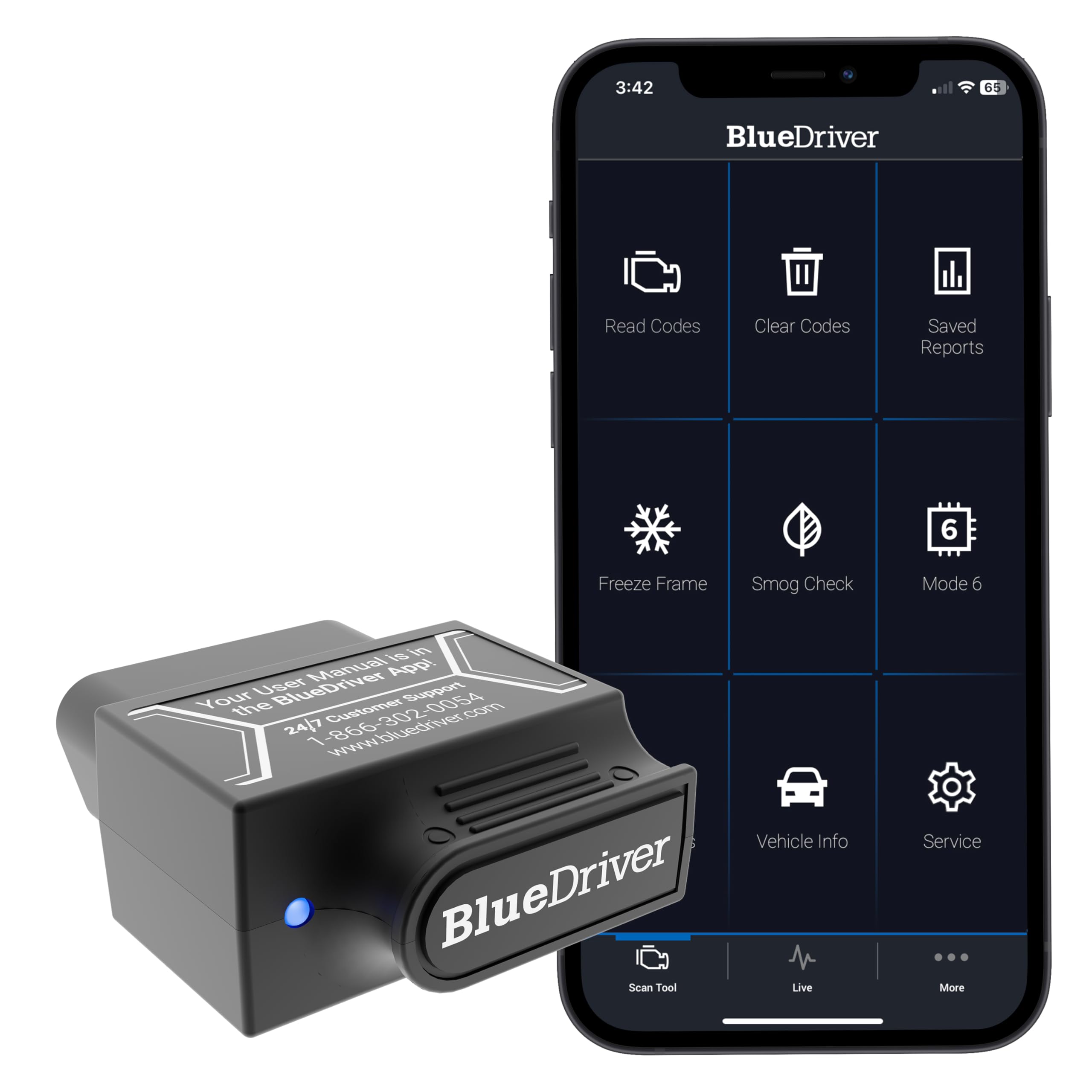
Buy this for wireless, subscription-free diagnostics on gas-powered cars and light trucks, not for heavy-duty diesel work.
Pros
- Enhanced ABS, SRS, TPMS, and transmission diagnostics beyond basic codes
- Bluetooth connection to a phone app, no wires at the vehicle
- One-time purchase with no subscription fees, ever
Cons
- No J1939/J1708 support for Class 4-8 trucks
- Works on gas vehicles 1996+ only; not built for heavy diesel
- Requires a phone or tablet to operate, no standalone screen
BlueDriver’s repair reports, matched to your VIN with technician-verified fixes, make it a favorite for DIYers working on personal vehicles and light trucks. The enhanced diagnostics go well beyond a basic check-engine code.
It has no place in a heavy-duty diesel toolbox. Pair it with a dedicated HD scanner if your garage handles both cars and Class 6-8 trucks.
ANCEL AD310 Classic Enhanced Scanner

Buy this as a cheap, reliable code reader for a personal vehicle, not as a diesel or fleet tool.
Pros
- Simple, accurate reading and clearing of emission-related codes
- Works directly off the OBDII port, no batteries needed
- Broad OBDII protocol support for 1996+ vehicles
Cons
- Emission-related codes only; no ABS, SRS, or transmission access
- No J1939/J1708 support for heavy trucks
- No live data graphing or bidirectional functions
The AD310 does exactly one job well: pull and clear a check-engine code so you know whether it’s a loose gas cap or something serious. For that single purpose, it’s hard to beat on cost.
It has no place in a diesel truck diagnostic kit. Treat it as a glovebox tool for a personal car, not a shop-grade scanner.
Buying Guide
Match The Protocol To The Vehicle
Heavy-duty trucks communicate over J1939 and J1708, not the same CAN protocol most passenger cars use. A scanner without J1939/J1708 support will connect to a truck’s 9-pin port and show nothing useful.
Before buying, confirm:
| Vehicle Type | Protocol Needed |
|---|---|
| Passenger cars, light trucks (1996+) | OBD2/CAN |
| Class 4-8 diesel trucks | J1939, J1708, sometimes J1587 |
| Older diesel engines (pre-2007) | J1708/J1587, separate 6 or 9-pin connector |
DPF Regeneration And Forced Regen
A DPF (diesel particulate filter) traps soot, and a clogged filter causes power loss and warning lights. Forced regen commands the truck to burn off that soot on demand rather than waiting for a highway drive cycle to trigger passive regen.
Not every scanner that mentions “DPF” performs a forced regen. Some only reset a service light after the filter has already been cleaned another way. Check whether the tool actively initiates parking regen, driving regen, or onboard regen, since those are the functions that actually clear a clogged filter.
Full-System Access Versus Engine-Only Codes
A basic reader pulls emissions codes from the engine control module and nothing else. Full-system tools reach ABS, SRS (airbags), transmission, SAS (steering angle sensor), and TPMS modules.
For diesel trucks specifically, full-system access matters most around ABS and transmission, since those systems fail often on high-mileage fleet vehicles and rarely throw a simple check-engine light.
Bidirectional Control And Service Resets
Bidirectional control lets the scanner send commands back to the vehicle, not just read data. That covers things like cycling a fuel pump, retracting an electric parking brake, or running injector coding after a replacement.
Common resets to look for:
- Oil service reset
- Injector coding
- DEF (diesel exhaust fluid) system test
- Cylinder cutout test for weak-cylinder diagnosis
- Clutch relearn
Update Policy And Ongoing Cost
Vehicle coverage changes yearly as manufacturers add new models and update ECU software. Some scanners include updates for a fixed window (commonly two years), others promise lifetime updates, and a few require a paid subscription after an initial period.
A tool with a capped update window still works fine on the vehicles it covers when that window closes; it just stops gaining new coverage. Decide whether that tradeoff matters based on how often your fleet adds newer trucks.
Screen-Based Versus Bluetooth Operation
Handheld scanners with built-in screens work independently of a phone, which matters in shop environments with spotty cell signal or when a tech doesn’t want to fumble with an app mid-repair. Bluetooth adapters that pair with a phone app tend to offer richer graphing and repair-report features, but depend on the phone’s battery and connection.
Fleet and shop use generally favors a dedicated screen. Personal DIY use on a single passenger vehicle works well with a Bluetooth-and-app setup.
Editor’s Choice
The Launch CRP129HD earns the top spot for anyone running a mixed fleet of Cummins, Detroit, PACCAR, or Caterpillar trucks. It hits every major requirement: J1939/J1708/J1587 protocol support, forced DPF regen, seven-plus service resets, full-system diagnostics, and remote tech support when a fault doesn’t make sense from the driver’s seat.
For a shop that services both diesel trucks and passenger vehicles, pair it with the Innova 5610 or BlueDriver to cover the car side without paying for heavy-duty features you won’t use on a sedan. Owner-operators focused purely on Detroit or PACCAR engines should look at the ANCEL HD110 for its tighter engine focus and compact size.
Conclusion
Buying a scanner for diesel truck work means checking protocol support before anything else. J1939 and J1708 compatibility is the line between a genuine heavy-duty tool and a passenger-car reader wearing a truck-scanner label.
Forced DPF regen, bidirectional control, and full-system access separate the professional-grade options from basic code readers. Match the tool to your actual fleet: Cummins and Caterpillar shops lean toward the ANCEL HD430, Detroit and PACCAR operations do well with the HD110, and multi-brand fleets get the broadest coverage from the Launch CRP129HD.
Confirm vehicle-specific coverage against the manufacturer’s compatibility checker before buying. Diesel engine software varies enough by model year that a scanner working perfectly on one truck can fall short on another from the same brand.
FAQS
Does a regular OBD2 scanner work on a diesel truck?
A standard OBD2 scanner reads engine codes on a diesel pickup with a 16-pin OBDII port, but it can’t communicate with a Class 6-8 truck running J1939 or J1708 protocols over a 9-pin connector.
What is forced DPF regeneration and when do I need it?
Forced regen commands the truck to burn off trapped soot in the diesel particulate filter on demand, rather than waiting for normal driving conditions to trigger it. It’s needed when a DPF warning light stays on, power drops, or a passive regen cycle keeps failing to complete.
Can one scanner cover both my truck and my car?
Several tools in this roundup, including the Launch CR HD V2 and Launch CRP129HD, cover both HD truck protocols and standard OBD2 for passenger vehicles. Passenger car diagnostics are typically limited to standard OBD2 functions even on dual-purpose tools.
Do I need a subscription for heavy-duty truck scanners?
Most of these tools include free updates for a set period (commonly two years) or for the life of the product, with no mandatory subscription. Check each manufacturer’s update policy since terms differ between free lifetime updates and a capped free window.
What’s the difference between J1939 and J1708?
J1939 is the modern CAN-based protocol used on most trucks built after the early 2000s, while J1708/J1587 is the older serial protocol found on pre-2007 diesel engines. A scanner supporting both covers a wider range of truck model years.
