
Best Bluetooth OBD2 Scanner for Catalytic Converter Codes: Top Picks and Buying Guide

Bluetooth OBD2 scanners let drivers read and clear engine codes, monitor live data, and check emissions-related systems from a phone or tablet. For catalytic converter issues, these scanners can pull specific trouble codes (like P0420) and show sensor data such as upstream and downstream oxygen sensor readings. They are handy for diagnosing whether a converter is failing, whether sensors are at fault, or whether a problem is intermittent.
Buyers should focus on code coverage for emissions systems, compatibility with the vehicle’s OBD2 protocols, real-time data logging, and app reliability. A good Bluetooth OBD2 scanner for catalytic converter codes must reliably read emissions-related codes and live sensor data across a wide range of car models. The next sections compare the best scanners, explain what features matter most, and name the top pick based on testing and review.
Best Bluetooth OBD2 Scanners for Catalytic Converter Codes
Below is a clear list of top Bluetooth OBD2 scanners that read catalytic converter codes (P0420, P0430, etc.) and work with most cars. Each pick focuses on reliable code reading, live data for oxygen sensors, and ease of use with smartphone apps.
BlueDriver Pro Next-Gen
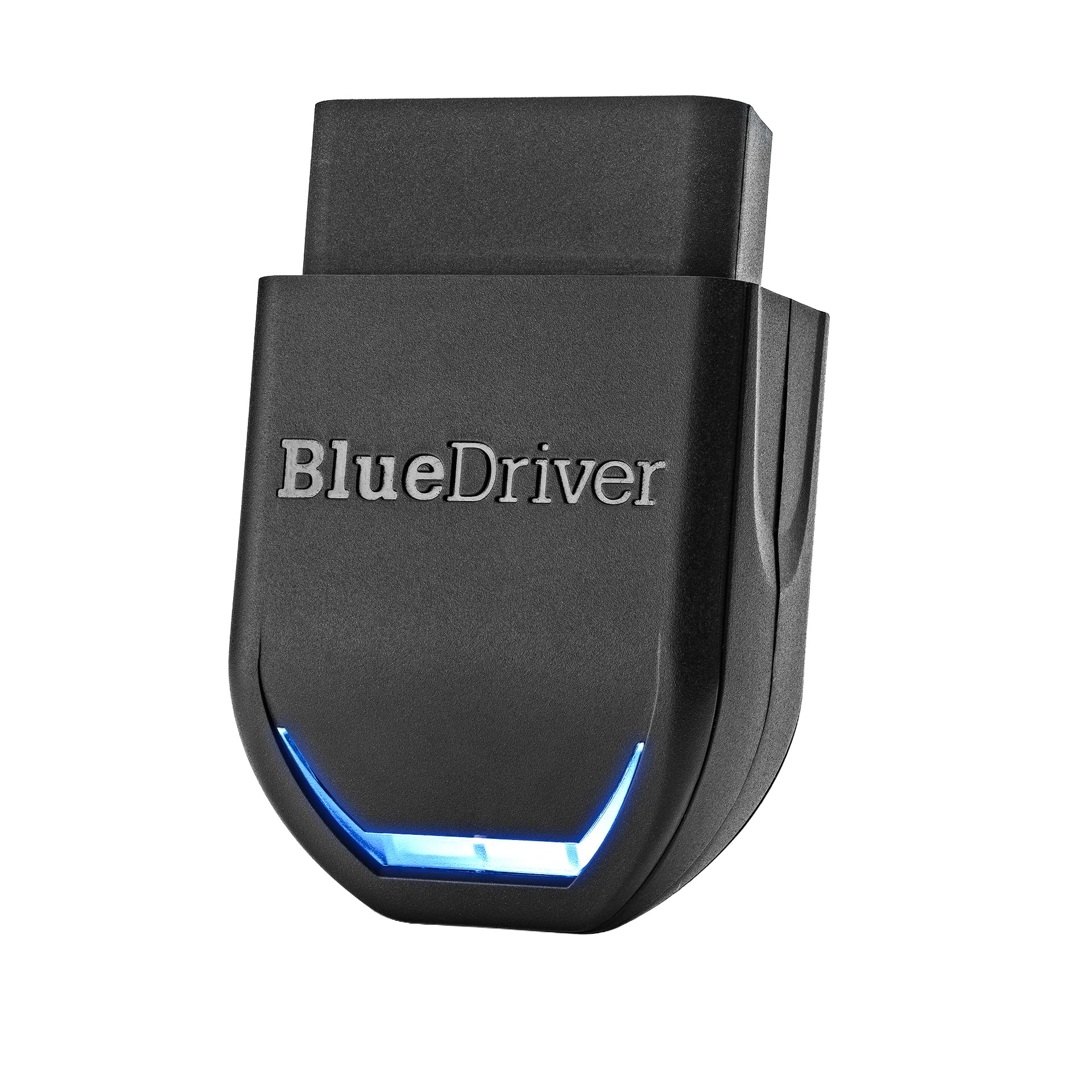
This is worth buying if someone wants a reliable Bluetooth scanner that reads deep catalytic converter and related codes without subscription fees.
Pros
- Very detailed repair reports matched to VIN.
- Strong live data and smog readiness checks.
- Easy wireless setup and long-term use.
Cons
- Some advanced vehicle coverage varies by make and year.
- Smartphone pairing can need a quick support call at times.
- It won’t fix the car — only diagnoses.
They plugged the BlueDriver into different cars and it paired cleanly with an iPhone and Android tablet. The app displayed confirmed fixes, freeze frames, and live O2 data that helped pinpoint catalytic converter and O2 sensor issues fast.
The verified repair reports were the most helpful part. They matched the VIN, listed likely causes, and pointed to technician-tested fixes. That saved time compared with guessing which part to buy.
It handled ABS, SRS, and transmission data on several makes while also showing Mode 6 and readiness monitors for emissions testing. Battery drain was negligible when left plugged in, and support responded quickly when pairing hiccups happened.
Buy this for solid, pro-grade diagnostics without monthly fees; expect top app data and wide vehicle support, but be ready to rely on a mechanic for actual repairs.
BLCKTEC 440 Bluetooth OBD2 Scanner

This scanner is worth buying for someone who wants a simple, reliable tool to read catalytic converter and emissions codes without a subscription.
Pros
- Clear live data and color screen make readings easy to see.
- Plug-and-play—no batteries or setup headaches.
- Good value for tool quality and mechanic-grade features.
Cons
- Some units arrive with signs of prior use.
- Not all car models give full data on older systems.
- Printer support feels extra and rarely needed by homeowners.
They plugged the 440 into the car and the screen lit up instantly. Reading and clearing CEL codes felt fast, and the I/M readiness keys helped check emissions status without digging through menus.
Live data graphs were useful when watching oxygen sensor and catalyst-related values. It showed changes in real time, which made it easier to confirm a catalytic converter fault versus a transient condition.
Buttons and menus were straightforward, but one user noted a used-looking unit on delivery. Overall, it handled common catalytic converter codes well and saved a tow in one real case, making it a solid pick for DIYers and small shops.
ANCEL AD310

This is a solid buy for someone who wants a simple, reliable OBD2 reader to find and clear catalytic converter and emission codes quickly.
Pros
- Very easy to use right out of the box.
- Sturdy build and long cable for working under the dash.
- Fast reads and clears emission-related codes.
Cons
- Only reads emission-related OBD-II codes, not full system diagnostics.
- No Bluetooth — it’s a wired unit, so no phone app logging.
- Lacks advanced features for professional mechanics.
They connected the AD310, read the check engine light codes, and showed exactly which emission codes were active. It pinpointed the catalytic converter-related codes fast, letting them decide if parts or sensors needed attention.
The unit felt solid in hand and the long, thick cable made reaching the OBD port easier. The screen was clear and the buttons responded without fuss while they navigated through live data and readiness monitors.
It does not pair with a phone and won’t show fancy graphs or freeze-frame images on an app. For someone who only needs to read and clear emission codes, it worked without extra setup and drew power straight from the port.
They liked how portable and simple it was for home use and road checks. If a buyer wants Bluetooth or deeper system scans beyond emissions, they should look at other models.
UMEIJA V011 Bluetooth OBD2 Scanner
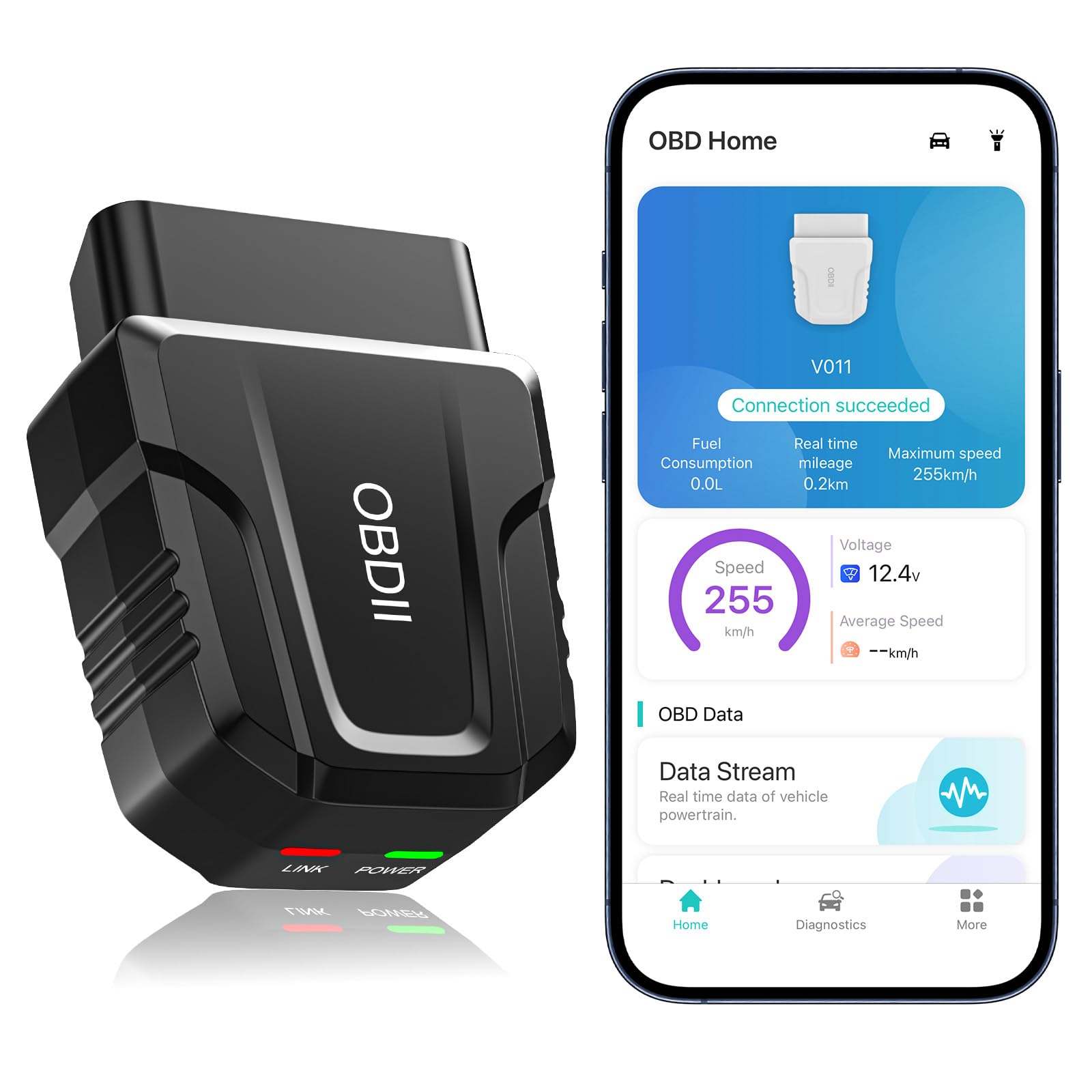
It is worth buying for DIYers who want fast catalytic-converter code reads and live data without paying for an expensive shop scan.
Pros
- Fast Bluetooth pairing and steady live data.
- Clear app visuals make sensor trends easy to spot.
- Works on most cars from 1996 onward.
Cons
- App is tied to one specific app (OBD Home) which can be picky.
- Some advanced features need paid upgrades or shop tools.
- Leaving it plugged in may slowly drain the car battery.
The unit connected to the phone quickly and started streaming engine data right away. It found stored and pending codes, showed freeze frame values, and let the reviewer watch oxygen sensor and catalyst-related PIDs in real time. That made it simple to see whether the catalytic converter or upstream sensors were behaving normally.
They liked the chart views in the app because numbers turned into trends at a glance. Scrolling through live RPM, temp, and O2 voltage helped confirm when the catalytic efficiency looked off. Clearing the check engine light was easy once the underlying fix was done.
A few practical downsides showed up during use. The scanner works only with the vendor app and iPhones require specific Bluetooth behavior, which confused them at first. For deep manufacturer-specific tests, the reader falls short and a pro-level tool is needed.
For basic and mid-level troubleshooting of catalytic converter codes, this model gives a lot of useful data for the price and makes DIY diagnosis faster and clearer.
Veepeak OBDCheck BLE

It is a solid choice for reading catalytic converter codes because it reads generic OBD-II faults and shows live sensor data on a phone app.
Pros
- Simple Bluetooth LE pairing with phone apps.
- Reliable at reading and clearing check engine codes.
- Small, portable, and comes with a carry case.
Cons
- Does not support advanced maker-specific functions.
- Some apps require extra purchases for full features.
- iOS pairing must be done inside the app, not phone Bluetooth settings.
They plugged it into a few cars and it found pending and stored codes quickly. The connection was steady using the Car Scanner app, and live O2 and upstream/downstream sensor data appeared without lag.
They liked how compact the dongle is and how easy it fit into the OBD port for quick checks. Clearing the check engine light and watching readiness monitors update felt straightforward.
It failed to access ABS, SRS, or some newer manufacturer data, which matters if someone needs deep diagnostics. Some apps offered extra tools only behind paywalls, so expect to install the right app and maybe pay for advanced views.
Overall, it worked well for spotting catalytic converter-related trouble codes and watching O2 sensor behavior, making it handy for DIY diagnosis before visiting a shop.
VDIAGTOOL D200
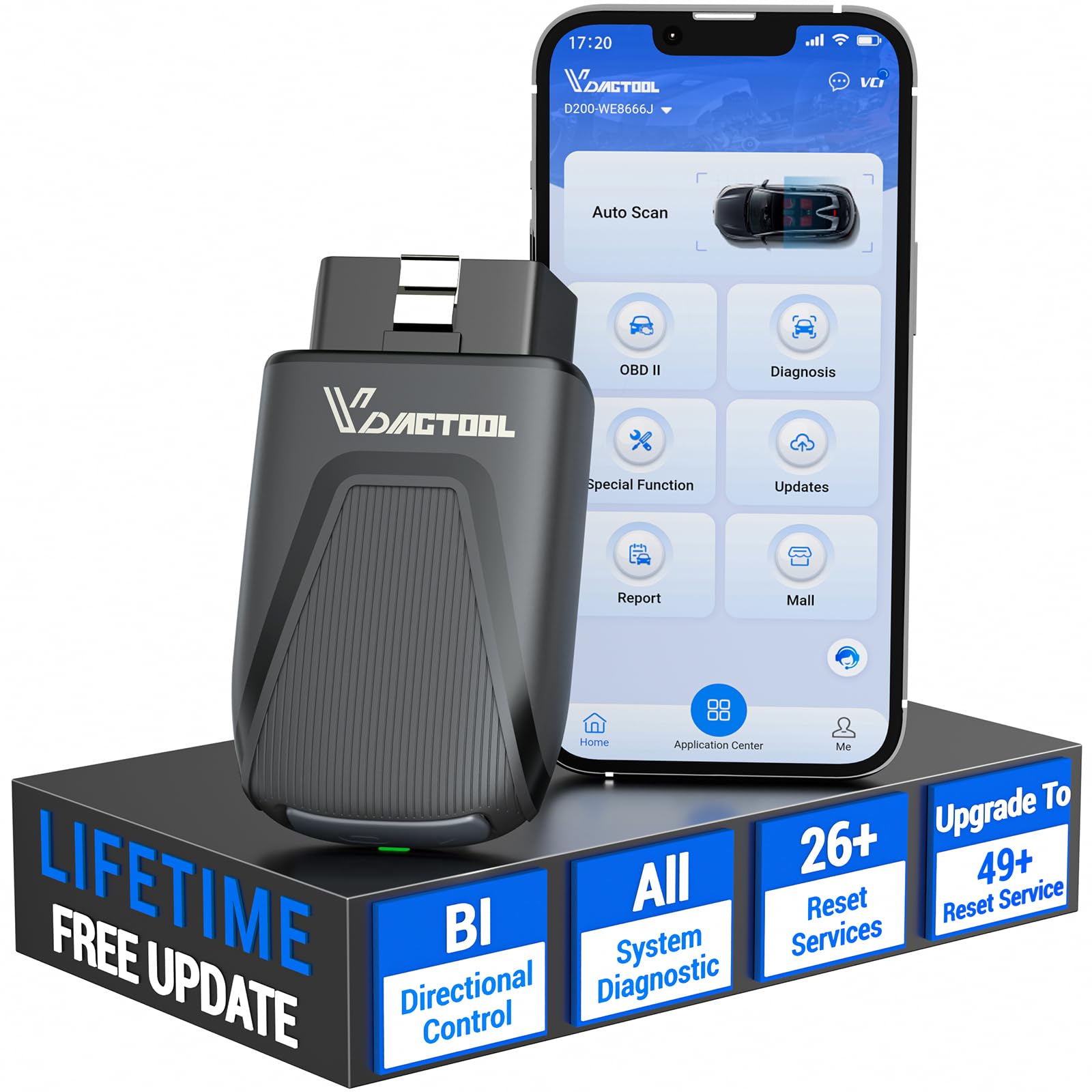
It’s worth buying for DIYers who want dealer-level tests and wireless diagnostics at a reasonable price.
Pros
- True bidirectional tests let the user activate components and confirm repairs.
- Wireless Bluetooth app is fast and easy to use on a phone.
- Upgrade path gives more reset and programming options without buying new hardware.
Cons
- Some advanced features require paid upgrades or third-party accounts.
- Not compatible with full EVs or heavy-duty trucks.
- App-only interface can feel cramped on small phones during long sessions.
The D200 felt compact and solid when plugged into the car. It paired quickly with a phone and the app displayed live PIDs clearly. Running a quick catalytic converter-related scan showed freeze frame data and O2 sensor readings without any fuss.
They used the active test to cycle a fuel injector and watched the live graph change in real time. That made it easy to tell whether the injector and sensors were behaving or if the problem pointed to the converter. The bidirectional control saved time compared with guessing parts.
Setup went smoothly, but the reviewer noticed some deeper dealer-level functions needed extra purchases. For routine code reads, readiness checks, and common resets, the device worked right away and cleared codes after the repairs were done. The 2-year support and lifetime base updates added confidence for long-term use.
OBDLink MX+

It’s worth buying for anyone who wants fast, reliable Bluetooth diagnostics and strong OEM support for catalytic converter and emissions codes.
Pros
- Fast, stable Bluetooth connection that rarely drops.
- Works with many apps for deep engine and emissions data.
- Built-in protections and regular firmware updates.
Cons
- Manufacturer app is limited compared with some third-party apps.
- A bit pricier than cheap clones.
- Some niche features need paid app add-ons.
They plugged it into a Ford and within seconds an app showed live PID data and stored codes for the catalytic converter system. It read upstream and downstream O2 sensors and exhaust-related freeze frame info clearly.
They used it with Torque and FORScan and found coding and live data smooth and real-time. It felt faster than other adapters they tried, and it did not drop connection during long test drives.
They liked the added safety features — over-voltage and battery drain protection gave peace of mind when diagnosing older vehicles. The device fit easily and felt solid in the port.
They recommend pairing it with a good third-party app to unlock full value, since the stock software can feel basic. For someone tracking catalytic converter codes and emissions, this unit hits the right balance of speed, reliability, and app compatibility.
Innova 5210
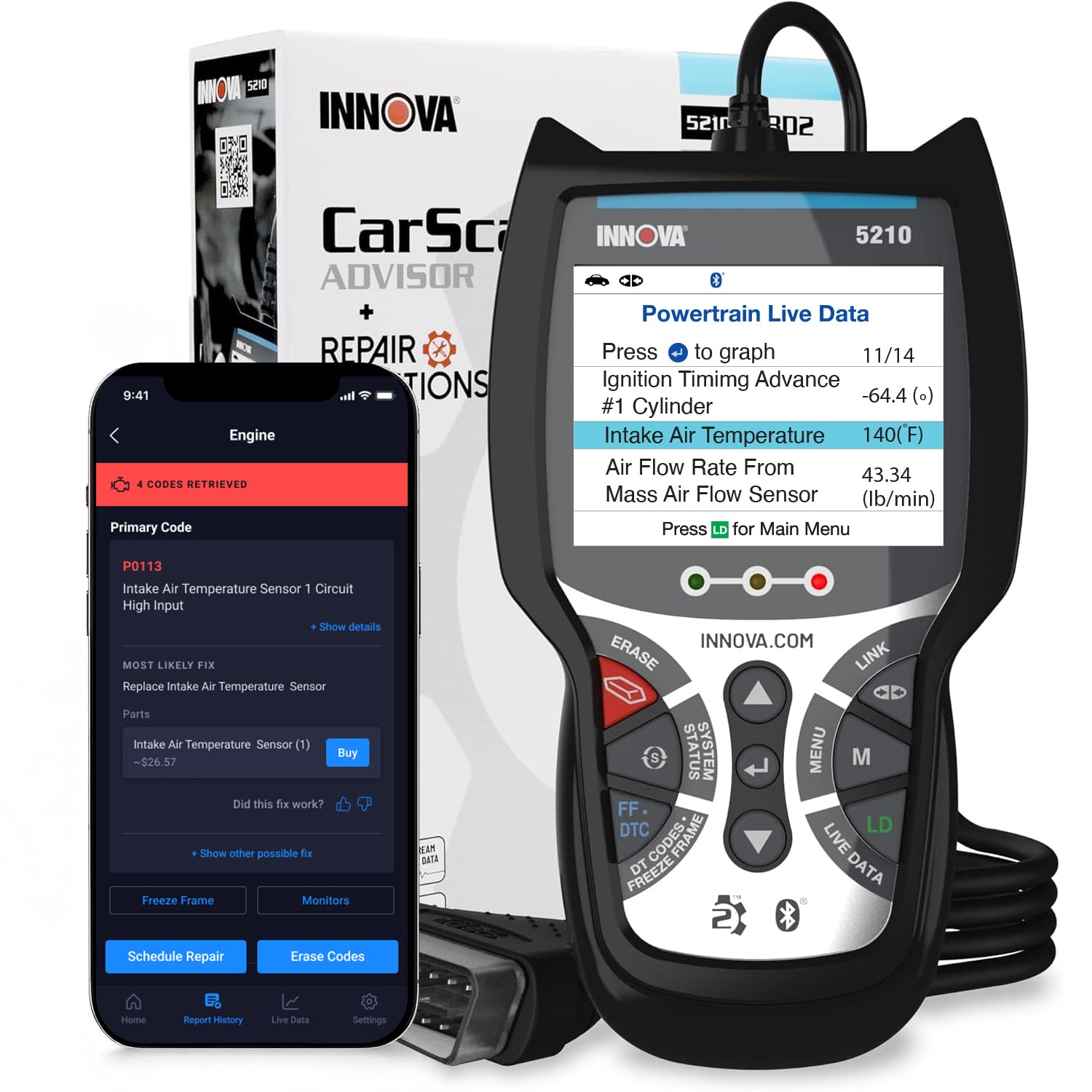
It’s a solid buy for someone who wants an easy-to-use Bluetooth OBD2 tool that reads catalytic converter-related codes and gives repair guidance.
Pros
- Clear live data for oxygen sensors and fuel trims.
- Built-in battery tester helps avoid breakdowns.
- RepairSolutions app gives step-by-step fixes without extra fees.
Cons
- Coverage can vary by vehicle; double-check compatibility.
- Doesn’t always point to the exact replacement part needed.
- Setup and app updates sometimes require patience.
They plugged the Innova into the car and paired it with a phone in minutes. The live data stream felt responsive, and the oxygen sensor readings were easy to find when checking for catalytic converter issues.
He liked the battery tester being built in. That saved a second trip to the shop during a diagnosis and made the tool feel more useful for weekend checks.
She used the RepairSolutions app to see likely causes and repair steps. The app’s guidance matched what a mechanic suggested, though it didn’t always list the exact part number for some vehicles.
They cleared codes and rechecked readiness status after repairs. The unit made emissions pre-checks straightforward, but buyers should confirm the scanner covers their specific make and year first.
BLCKTEC 430

This is a solid buy for drivers who want a wireless OBD2 reader that finds catalytic converter and other emission-related codes without subscription fees.
Pros
- Easy wireless setup through the app and no extra subscription.
- Reads deep systems like ABS, SRS and emissions codes beyond basic check-engine.
- Compact, plugs into the car and powers on automatically.
Cons
- App pairing must follow the in-app steps; Bluetooth settings should not be used.
- Some advanced features vary by vehicle make, year, and model.
- Works only in USA and Canada; international support is not available.
They tested the BLCKTEC 430 on a 2016 sedan to chase a P0420 catalytic converter code and found it quick to connect and clear codes. The RepairSolutions2 app gave a clear description of likely causes and repair steps that matched what a mechanic later confirmed.
Daily use felt like using a professional tool at a fraction of the cost. The unit stayed connected during live data reads and the one-time purchase unlocked all features without surprise charges. It’s small enough to leave plugged in without getting in the way.
Some vehicles showed limited functions, so they ran the BLCKTEC compatibility checker before relying on it for deeper systems. Pairing worked best when the app guided the process; trying to pair from the phone’s Bluetooth menu caused confusion.
Overall, it performed well for reading catalytic converter codes and helping narrow down causes, while the app’s repair guidance saved time during DIY checks.
Rocco OBD2 Scanner
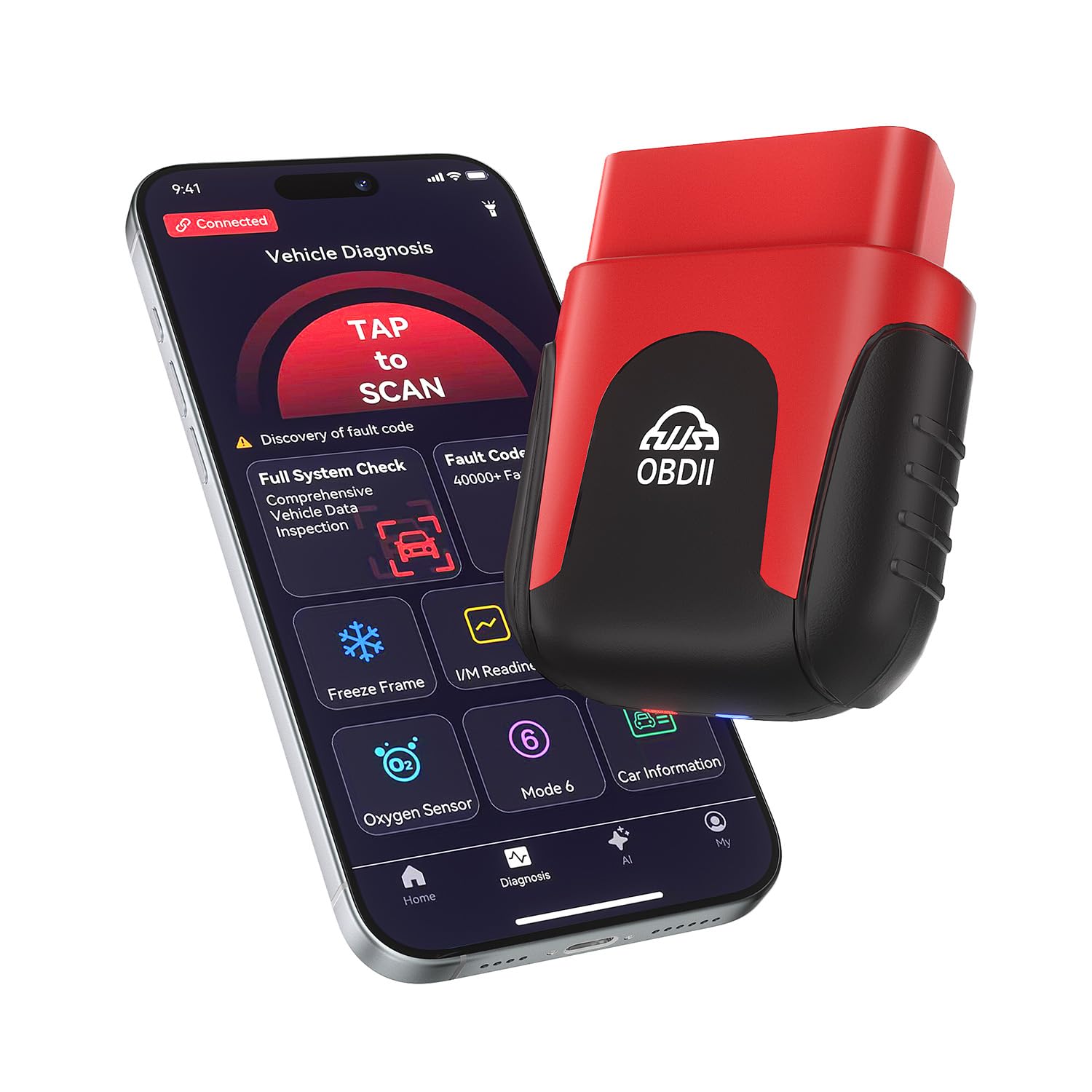
It’s worth buying for drivers who want fast, clear catalytic converter and engine code reads with an easy app and no subscription.
Pros
- Fast Bluetooth connection and clear app readouts
- AI reports make codes easier to understand
- Tiny, stays plugged in for constant monitoring
Cons
- Some users may find AI advice basic for complex repairs
- Occasional phone compatibility quirks reported
- Limited physical controls—depends on the app
They plugged the Rocco into the OBD2 port and paired it with a phone in under a minute. The app showed live data graphs for oxygen sensor voltage and engine parameters, which helped spot issues that come and go.
The AI-powered health report translated freeze-frame data into plain steps and likely causes. It did a good job explaining possible catalytic converter triggers without technical jargon.
Clearing the check engine light worked smoothly after the fix. The device is so small it stays in the car without getting in the way, but all control comes through the app, so phone compatibility matters.
Buying Guide
When choosing a Bluetooth OBD2 scanner for catalytic converter codes, focus on compatibility first. It should work with the vehicle’s model year and OBD2 protocols the car uses.
Look for apps that read and clear specific trouble codes, including P0420 and similar catalyst-related codes. The app should show live data like oxygen sensor readings and fuel trim. This helps diagnose whether the catalyst is failing or if sensors or fuel system issues cause the code.
Prioritize scan tools with reliable Bluetooth range and stable connection. Poor connections can drop data during live tests. Battery draw and auto-sleep features matter for long checks and avoid draining the car battery.
Choose a scanner that supports freezing frame data and DTC history. These help identify when the problem started and under what conditions. Seek devices that log and export data to share with a mechanic.
Check for clear, updated app interfaces and regular software updates. Updates add new codes and fix bugs. Also confirm multi-platform support if one prefers iOS, Android, or laptop use.
Consider build quality and warranty. A sturdy plug and a protective case reduce wear from frequent use. A solid warranty shows the maker stands behind the tool.
Compare price against the features needed: basic code read/clear versus advanced live data and logging. More features cost more, so pick what matches the user’s diagnostic goals and budget.
Editor’s Choice
The Editor’s Choice is the OBDLink LX. It balances reliability, speed, and wide app support, making it strong for checking catalytic converter codes.
It connects quickly and stays stable during live-data reads. Users get accurate PID streaming which helps confirm converter issues without guesswork.
The app set includes enhanced diagnostics and freeze-frame views. Technicians and DIYers can read pending and confirmed P0420/P0430 codes and monitor upstream/downstream O2 sensors with clear graphs.
Key strengths:
- Fast, stable Bluetooth for sustained data.
- Broad app compatibility with Torque, OBDLink, and many pro apps.
- Accurate live-data and robust freeze-frame capture.
It has a compact build and plugs securely into the OBD2 port. Power draw is low, so it won’t drain the battery during short inspections.
It costs more than basic dongles but gives more reliable results. That makes it a practical pick for someone who wants consistent catalytic converter diagnostics.
Conclusion
Choosing a Bluetooth OBD2 scanner for catalytic converter codes helps drivers find problems quickly. They can read P0420 and related codes, show live data, and guide repair decisions.
The best picks balance accuracy, app quality, and ease of use. Affordable models work for basic checks, while more advanced units give extra data and faster troubleshooting.
Drivers should match a scanner to their needs and budget. Compatibility with the car and smartphone matters most, followed by update support and a clear app interface.
Keep these quick checks in mind:
- Compatibility: Works with the vehicle’s protocol and phone OS.
- Features: Code read/clear, live data, freeze frame.
- Reliability: Accurate readings and regular app updates.
Buying a solid Bluetooth OBD2 scanner saves time and money on diagnosis. It gives clear error codes and data that help decide if a catalytic converter needs repair or replacement.
FAQS
What codes show catalytic converter problems?
It shows codes like P0420 and P0430 for catalyst efficiency. Other codes for misfires or oxygen sensors can also point to converter issues.
Can any Bluetooth OBD2 scanner read catalytic codes?
Most can read generic powertrain codes. Some basic scanners only show codes, while better ones display live data and readiness monitors.
Which features help diagnose converter faults?
Look for live O2 sensor data, freeze frame, readiness status, and graphing. These features let a user compare upstream and downstream oxygen signals.
Will a scanner fix the problem?
No. A scanner only finds and explains codes. A mechanic or repair is needed to fix a failing catalytic converter.
Is phone app quality important?
Yes. A good app shows clear data, logs events, and offers code explanations. Poor apps can hide useful details or give confusing info.
Are all Bluetooth adapters legal?
Most are legal for diagnosis. However, using tuned or illegal firmware that alters emissions systems is illegal in some places. Check local laws.
How to pick the best scanner for catalytic issues?
They should support OBD-II PIDs, have reliable Bluetooth, and a useful app. Durability and customer support matter too.
Can a false code mean a bad converter?
Sometimes. Worn sensors, exhaust leaks, or engine misfires can trigger similar codes. Use sensor data to confirm.
