
10 Best OBD2 Port Locator Tools for 2026

Every OBD2 port sits behind a dashboard panel, under a steering column, or tucked near a fuse box, and finding it is only the first problem drivers run into. The bigger question is what to plug into it once it’s located: a code reader that translates a check engine light, a breakout box that exposes the raw electrical pins, or a lock that keeps strangers from using that port against you.
We’ve grouped this roundup around that distinction. Some of these tools are Bluetooth or handheld scanners built to read trouble codes and live sensor data. Others are literal breakout boxes designed to test voltage, ground, and communication signals pin by pin. One is a physical lock for the port itself. Matching the tool to the actual task, reading codes versus testing wiring versus securing the connector, saves both money and frustration.
Pay attention to what each device actually does before buying. A code scanner won’t help diagnose a wiring fault, and a breakout box won’t tell you why a check engine light is on. Compatibility with your vehicle’s model year and OBD2 protocol matters too, along with whether the tool requires a subscription, an app, or a computer to function.
Best for no-subscription check engine diagnosis: BlueDriver OBD2 Scanner Bluetooth
Best for budget-friendly basic code reading: ANCEL AD310 Classic Enhanced Scanner
Best for app-based Bluetooth flexibility: Veepeak OBDCheck BLE Scanner
Best for live data graphing and smog readiness: FOXWELL NT301 OBD2 Scanner
Best for simple handheld code clearing: MOTOPOWER MP69033 Scanner
Best for testing power and ground at the connector: CMTOOL OBD2 Breakout Box
Best for voltage display during electrical diagnostics: Kawish OBD2 Breakout Box
Best for basic protocol signal detection on a budget: Taotao OBDII Protocol Detector
Best for oscilloscope and multimeter pin access: OONO OBD-II Breakout Box
Best for preventing unauthorized ECU access: NiwNiw OBD Port Lock
BlueDriver OBD2 Scanner Bluetooth
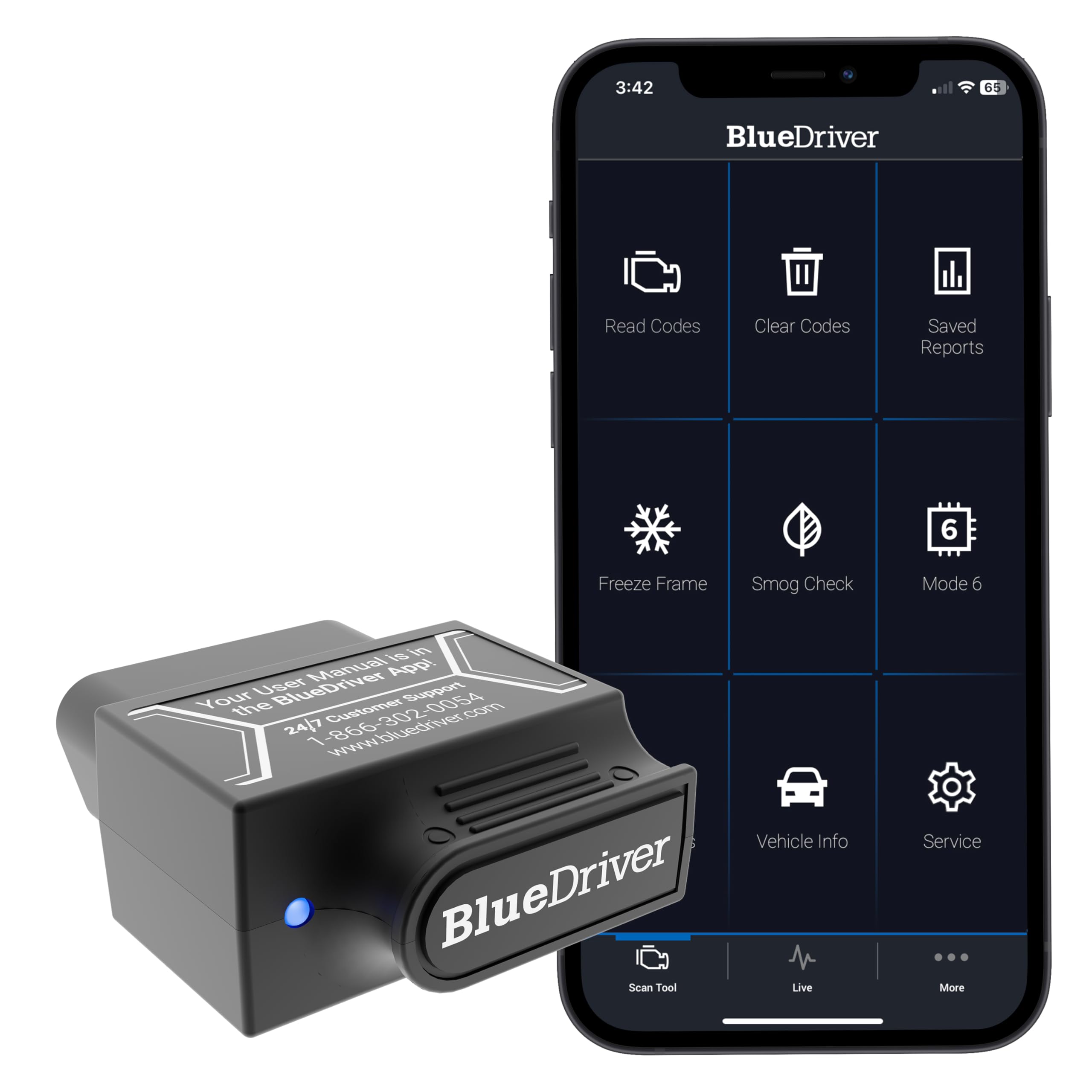
This is the pick for drivers who want dealer-level diagnostics without paying a monthly fee, ever.
Pros
- No subscription required for full feature access
- Reads ABS, SRS, TPMS, and transmission codes beyond basic check engine data
- VIN-matched repair reports with confirmed fixes
Cons
- Requires a smartphone to function
- Bluetooth setup can trip up first-time users
- Gas vehicle coverage only, no full diesel support
BlueDriver plugs into the OBD2 port and pairs over Bluetooth with a phone app, turning a $100 device into something close to a shop-grade scanner. Enhanced diagnostics cover systems most cheap readers skip entirely, including airbag and anti-lock brake modules. The freeze frame data and Mode 6 test results give a real look at what’s happening under the hood, not just a generic code number. One Dutch reviewer used it to diagnose an airbag fault that cheaper scanners couldn’t touch. For a novice trying to locate and verify a working port before a repair, the app also confirms connection status instantly.
ANCEL AD310 Classic Enhanced Scanner

This is a solid entry point for anyone who just wants to know why the check engine light is on without buying an app or a subscription.
Pros
- No phone or app needed, works straight out of the box
- Supports all major OBD2 protocols
- Large, easy-to-read screen
Cons
- Emission-related codes only, no ABS or airbag support
- Corded design instead of wireless
- Not built for advanced live-data analysis
The AD310 draws power directly from the OBD2 port, so there’s no battery to charge or app to download. It reads and clears trouble codes, views freeze frame data, and checks I/M readiness before a smog test. Reviewers frequently mention catching simple issues, like a loose gas cap, that would have cost an AutoZone visit to diagnose otherwise. The device only handles emissions-related codes, so a transmission or ABS light won’t get resolved here. For straightforward check-engine troubleshooting on a budget, it does the job with no setup friction.
Veepeak OBDCheck BLE Scanner

This suits drivers comfortable picking their own diagnostic app and want a compact Bluetooth adapter that plays nice with several of them.
Pros
- Works with multiple third-party apps like Car Scanner and OBD Fusion
- Small, unobtrusive design that can stay plugged in
- Bluetooth LE pairing works reliably across iOS and Android
Cons
- No standalone screen, an app is mandatory
- ABS and SRS diagnostics depend entirely on which app is used
- Some vehicle-specific apps (Carly, bootmod3) are explicitly unsupported
Veepeak’s adapter is essentially a Bluetooth bridge between the OBD2 port and whichever diagnostic app the driver chooses. That flexibility is the appeal and the catch: features like transmission temperature or ABS data only show up if the paired app supports them. Setup requires pairing inside the app itself, not through the phone’s Bluetooth menu, which trips up some first-time users. For BMW owners running BimmerCode or Mini owners using vehicle-specific apps, it opens up manufacturer-level data that generic scanners can’t reach.
FOXWELL NT301 OBD2 Scanner

This is the choice for drivers who want live sensor graphs and smog-readiness checks on a standalone handheld unit.
Pros
- Color screen displays live data graphs without a phone
- Built-in I/M readiness hotkeys with LED pass/fail indicator
- EVAP leak and O2 sensor testing beyond basic code reading
Cons
- Firmware updates require a Windows computer, no Mac support
- Bulkier than pocket-sized scanners
- Instructions are thin according to several reviewers
The NT301 stands out for graphing live data like coolant temperature and fuel trims directly on its own screen, no app required. That’s useful for spotting a misbehaving oxygen sensor in real time while idling in the driveway. The red-yellow-green LED indicator gives a fast read on emissions readiness before a smog test, which several reviewers specifically praised ahead of state inspections. Setup and firmware updates require plugging into a Windows PC, a real limitation for Mac-only households.
MOTOPOWER MP69033 Scanner

This handheld reader fits drivers who want a no-frills tool to read a code, clear a light, and move on.
Pros
- Large 2.8-inch backlit screen for easy reading
- Supports six languages and nine OBD2 protocols
- Draws power from the vehicle, no battery needed
Cons
- No ABS, airbag, or oil-service light support
- Wired design, not Bluetooth
- Basic 30-day manufacturer warranty
MOTOPOWER’s scanner covers the fundamentals well: plug it in, read the code, look up what it means, clear it once the repair is done. The screen is bright enough to read in daylight, and the six-button layout keeps navigation simple for first-time users. It won’t touch ABS or airbag systems, so anyone chasing a dashboard warning light beyond the check engine indicator needs a different tool. For general engine troubleshooting on older and newer vehicles alike, it’s a dependable, inexpensive option.
CMTOOL OBD2 Breakout Box

This is a true electrical testing tool, not a code reader, built for technicians who need to verify power, ground, and signal activity pin by pin.
Pros
- LED indicators show power, ground, and communication status instantly
- All 16 pins accessible via standard 4mm banana sockets
- Extension cable moves testing away from cramped footwells
Cons
- Doesn’t read or clear diagnostic trouble codes
- Requires a multimeter or oscilloscope for deeper signal analysis
- Overkill for drivers who just want a check engine code
The CMTOOL breakout box exposes every pin on the OBD2 connector so a multimeter or oscilloscope can probe them directly, no crawling under the dashboard with test leads. Color-coded LEDs give an immediate visual on whether a car has power, ground, and active communication before deeper testing starts. One reviewer called it an educational tool for teaching a family member how OBD wiring actually works. This isn’t a scanner substitute; it’s for diagnosing wiring faults a code reader can’t explain.
Kawish OBD2 Breakout Box

This breakout box adds a built-in voltage display, giving a faster read on port health than LEDs alone.
Pros
- Built-in voltage readout removes guesswork from power checks
- Long 50-inch extension cable for awkward under-dash positions
- Includes a flashlight for locating dark connectors
Cons
- Some reviewers reported inaccurate voltage readings
- No code-reading capability whatsoever
- Bulkier than simpler breakout boxes
Kawish’s breakout box pairs LED indicators with a numeric voltage display, so instead of just seeing a light turn on, technicians get an actual reading. It supports CAN Bus, J1850, ISO protocols, and SAE J1939 for 12V and 24V systems, covering both cars and diesel trucks. The long cable is a genuine convenience for anyone tired of working in a footwell. A pair of reviewers flagged voltage accuracy problems, worth confirming against a trusted multimeter before relying on it for critical diagnostics.
Taotao OBDII Protocol Detector

This budget breakout box is aimed at technicians who need basic protocol and connection verification without paying for extras.
Pros
- Low cost compared to other breakout boxes
- Detects OBD signal reception across 7 to 15 pin combinations
- Can preserve saved vehicle data during a battery swap
Cons
- Requires modification for some LED functions to work correctly, per reviewer feedback
- No voltage display
- Sparse instructions
Taotao’s device functions as a pass-through box for judging signal transfer and diagnosing connector link errors. It’s a favorite among reviewers working on Japanese vehicles who need quick CAN high and CAN low testing without spending three or four times as much on a name-brand box. One buyer noted having to modify pin 6 and 14 connections to get LED blinking to work as expected. It’s a capable low-cost option for basic protocol checks, with some rough edges in fit and finish.
OONO OBD-II Breakout Box

This pass-through breakout box lets a scanner stay connected while a multimeter or oscilloscope probes the same signals simultaneously.
Pros
- Male and female headers allow simultaneous scanner and multimeter use
- Color-coded 4mm banana sockets simplify pin identification
- Compact and straightforward with no learning curve
Cons
- No LED indicators or voltage display
- Passive design offers no built-in diagnostics beyond pin access
- Requires separate meter equipment to be useful
OONO’s breakout box sits inline between the vehicle and a diagnostic tool, so a scan tool and a multimeter can both access the same 16 pins at once. That eliminates the need to disconnect and reconnect equipment repeatedly during CAN bus troubleshooting. Reviewers describe it as replacing risky backprobing of the connector with test leads. It has no lights or display, just clean pin access, which keeps the design simple and the price low for what it accomplishes.
NiwNiw OBD Port Lock
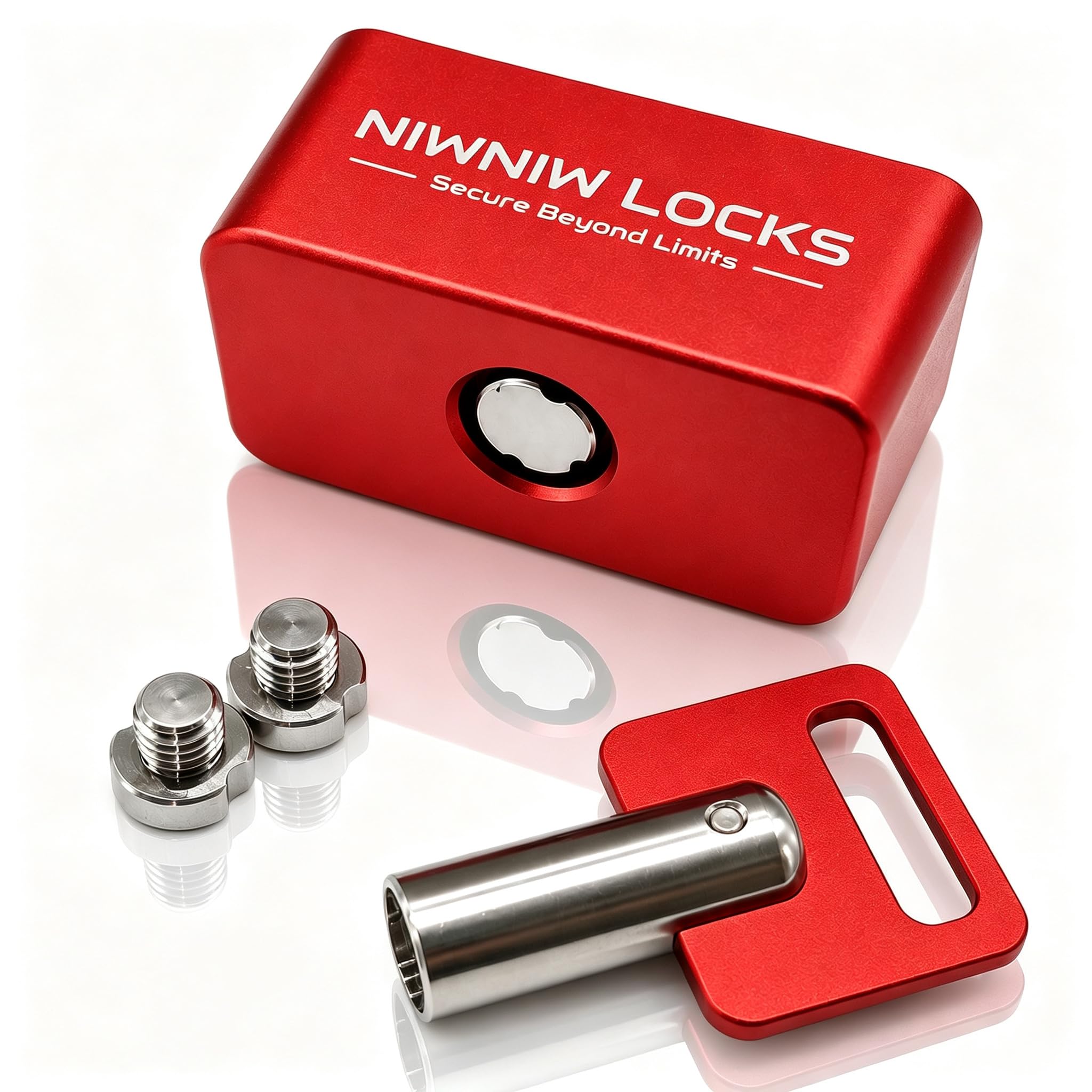
This is the only product here that secures the port instead of using it, aimed at owners worried about key cloning and unauthorized ECU access.
Pros
- Solid aluminum construction resists prying compared to plastic caps
- Includes matching security screws and installation tool
- Visible deterrent against OBD-based theft attempts
Cons
- Only one key included despite some listings mentioning two
- Installation fit varies by vehicle and connector position
- Can be removed with tools like needle-nose pliers, per one reviewer
Vehicle theft increasingly involves plugging a device into the OBD2 port to clone a key or reprogram the ECU, and this lock adds a physical barrier against that. It’s machined from 6061 aluminum rather than the flimsier plastic covers sold elsewhere, and an ASE-certified mechanic reviewer specifically praised its build quality. Fit varies by vehicle, so checking connector clearance before buying matters, especially in tight or recessed OBD2 locations. This isn’t a diagnostic tool, it’s a security accessory for parking lots, valet stands, and long-term storage.
Buying Guide
Match the Tool to the Job
The first decision is whether the goal is reading vehicle data, testing electrical signals, or securing the port. Code scanners like the ANCEL AD310 or FOXWELL NT301 read and clear trouble codes. Breakout boxes like the CMTOOL or Kawish expose raw pins for multimeter testing. Locks like the NiwNiw restrict physical access entirely. Buying a breakout box expecting it to read a check engine code, or a scanner expecting it to test wiring voltage, leads to disappointment.
Vehicle Compatibility and Protocol Support
Most OBD2 tools work with gas vehicles from 1996 onward, but protocol support varies. Look for coverage of CAN, ISO9141, KWP2000, and J1850 protocols if the vehicle is older or imported. Diesel and 24V systems need specific SAE J1939 support, which not every device includes.
| Vehicle Type | Protocol Needed | Common in This Roundup |
|---|---|---|
| Gas cars 1996+ (US) | CAN, J1850 | Most scanners and breakout boxes |
| European/Asian imports 2000+ | ISO9141, KWP2000 | ANCEL, FOXWELL, MOTOPOWER |
| Diesel/24V trucks | SAE J1939 | Kawish breakout box |
Wireless vs. Wired Design
Bluetooth scanners like BlueDriver and Veepeak connect to a phone app, offering live data graphs and repair reports without a cable in the way. Wired handheld units like the ANCEL AD310 skip app setup entirely and work the moment they’re plugged in. Wired units tend to be more reliable for quick, one-off code checks.
Subscription and App Requirements
Some scanners work standalone; others depend entirely on a third-party app to function, and a few require paid subscriptions for full features. Confirm whether advanced functions like ABS or SRS codes are included in the purchase price or locked behind an in-app purchase before buying.
Electrical Testing Needs
Anyone diagnosing a wiring fault, intermittent connection, or communication error needs a breakout box, not a scanner. Look for banana-plug sockets compatible with a multimeter or oscilloscope, LED indicators for quick visual checks, and a voltage display for numeric confirmation instead of guesswork.
Physical Port Access and Security
Locating the port itself is usually straightforward (most are within reach of the steering column) but tight or recessed locations benefit from an extension cable on a breakout box. For theft prevention, an aluminum lock with matching security screws offers a stronger deterrent than a plastic cover.
Editor’s Choice
The BlueDriver OBD2 Scanner earns the top spot for most drivers because it delivers dealer-level diagnostics, including ABS, SRS, and TPMS codes, without a subscription eating into the value over time. It’s the most versatile single purchase for anyone who wants to actually understand a warning light rather than just clear it.
For technicians who need to verify what’s happening electrically at the connector, the CMTOOL OBD2 Breakout Box is the strongest pick. Its LED indicators and full 16-pin access solve problems no code scanner can touch, particularly intermittent communication faults and grounding issues.
Owners primarily concerned with preventing unauthorized access to their vehicle’s OBD2 port should look at the NiwNiw OBD Port Lock. It’s the only device here built to keep people out of the port rather than help someone use it.
Conclusion
Choosing the right OBD2 tool starts with defining the actual task at hand. A flashing check engine light calls for a scanner like the BlueDriver or FOXWELL NT301. A wiring fault that a scanner can’t explain calls for a breakout box like the CMTOOL or Kawish. A parked car in a public lot benefits from a physical lock like the NiwNiw.
Budget matters, but so does matching capability to the actual problem. A $20 code reader won’t diagnose a grounding issue, and a breakout box won’t tell you why the check engine light came on. Buy for the job in front of you, and the right OBD2 tool pays for itself the first time it saves a trip to the shop.
FAQS
What is an OBD2 port locator tool? The term covers a range of devices connected to a vehicle’s 16-pin diagnostic port: code scanners that read trouble codes, breakout boxes that expose electrical pins for testing, and locks that physically secure the port. Few products are designed purely to help someone find a hidden port, most assume the port location is already known.
Where is the OBD2 port usually located? Most vehicles place it under the dashboard near the steering column, within about a foot of the pedals. Some models tuck it behind a small panel, in a fuse box compartment, or near the center console, so checking the owner’s manual saves time if it’s not immediately visible.
Do I need an app to use an OBD2 scanner? Bluetooth devices like BlueDriver and Veepeak require a smartphone app to display data, while wired handheld scanners like the ANCEL AD310 and MOTOPOWER MP69033 work independently with their own screens.
What’s the difference between a code reader and a breakout box? A code reader interprets diagnostic trouble codes stored in the vehicle’s computer. A breakout box exposes the physical pins of the OBD2 connector so a multimeter or oscilloscope can test voltage, ground, and signal activity directly, useful for wiring problems a code reader can’t diagnose.
Can an OBD2 lock stop someone from stealing my car? An aluminum port lock like the NiwNiw adds a physical barrier against key cloning devices and unauthorized ECU access, but it works alongside other security measures rather than replacing them entirely.
Will any OBD2 scanner read ABS and airbag codes? No. Basic scanners like the ANCEL AD310 and MOTOPOWER MP69033 only read emissions-related codes. Enhanced diagnostics for ABS, SRS, and transmission systems require a more capable tool like the BlueDriver or FOXWELL NT301.
