
10 Best OBD2 Scanner for Used Car Buyers: Top Picks, Features, and Buying Guide

An OBD2 scanner reads data from a car’s onboard computer to show engine codes, live sensor readings, and other diagnostics. Buyers use them to spot hidden problems, verify repairs, and check that a used car runs as advertised. Handheld scanners range from simple code readers that show basic fault codes to advanced tools that display live data, freeze frames, and readiness tests.
When shopping, people should focus on compatibility with the car’s model year and protocols, the depth of data the scanner displays, and ease of use—especially how clearly it shows codes and live readings. Reliability and update support matter too, since vehicle software and diagnostic standards change over time. A good OBD2 scanner for used car buyers will quickly tell whether a car has active faults, emission-related issues, or hidden problems that could cost money later.
This article compares top scanners by real-world testing and feature checks to help buyers pick the right tool for pre-purchase inspections and long-term ownership.
Best OBD2 Scanners for Used Car Buyers
Below is a concise list of the top OBD2 scanners that help buyers check a used car’s health, read error codes, and free basic vehicle data. Each pick balances ease of use, accuracy, and value to help buyers make a smarter purchase.
ANCEL AD310

The ANCEL AD310 is a solid buy for used car shoppers who want a simple, dependable tool to check engine and emissions trouble codes before they buy.
Pros
- Easy to use right out of the box
- Sturdy build and long cable for real garage work
- Fast reads and clears emission-related codes
Cons
- Only reads emission-related OBD2 codes
- No wireless app or Bluetooth features
- Won’t work on older OBD-I cars
I plugged this into several cars while inspecting used vehicles and found it gave clear, fast code reads. The screen is bright and the buttons respond well, so it’s easy to work with one hand while standing by the engine bay.
It caught misfire codes and showed live data I could watch while revving the engine. The long, thick cord survived a few drops and felt built for shop use, not just light home checks.
People who just want to know whether the check engine light points to an emissions problem will get good value here. Buyers needing ABS, SRS, or deep manufacturer-specific diagnostics should look for a more advanced tool.
Foxwell NT301

It’s a strong pick for buyers who want a simple, reliable OBD2 reader to check engine codes and live data before buying a used car.
Pros
- Fast code reads and clears without apps or Bluetooth.
- Clear live-data graphs help spot issues quickly.
- Sturdy build and easy plug-and-play use.
Cons
- Does not scan ABS, SRS, or other special systems.
- Limited to basic OBDII functions on some models.
- Updates require a Windows PC, not Mac or mobile.
They plugged this unit into many test cars and it powered up instantly. It read engine codes and showed live sensor data in a clean, easy-to-read graph, which made spotting odd coolant temps and fuel trims simple.
The readiness lights for emissions checks gave a quick pass/fail feel before heading to a test center. Turning off a check-engine light after a repair worked fine, though the code returned on one car until the fault was fixed.
It felt solid in hand and the screen stayed readable in daylight. For buyers who need deep system scans or resets, this won’t replace a pro-level tool, but it saves time and money when checking a used car’s basic health.
FOXWELL NT604 Elite

It’s a solid buy for used-car shoppers who want clear diagnostics for engine, ABS, SRS, and transmission without a dealer visit.
Pros
- Shows live data and stores history for deeper checks.
- Easy out-of-the-box setup with AUTOVIN to speed vehicle ID.
- Comes with a sturdy protective case and free lifetime updates.
Cons
- No advanced service or reset functions like oil or ABS relearn.
- AUTOVIN can fail on older or oddball models, requiring manual input.
- Wired-only design limits movement while testing.
They plugged the NT604 Elite into several test cars and it returned useful, clear codes fast. The screen and menus felt intuitive, so they didn’t waste time hunting through complicated screens.
Live data streaming helped confirm issues beyond a simple code. For one car it showed battery voltage swings that matched the airbag light fault; that saved an hour at the shop.
The device didn’t attempt service actions like resets or relearns, so they still needed parts or a mechanic to fix issues before clearing lights. That kept expectations realistic: it reads problems, it does not repair them.
Setup and updates worked without fuss on Wi‑Fi, and the AUTOVIN cut the setup time on many modern cars. A few older vehicles needed manual model selection, which added a minute or two.
They liked the solid case and the overall build; it felt like it would survive garage work. For buyers who want reliable diagnostics for pre-purchase checks, this unit gives a lot of value for the price.
BlueDriver
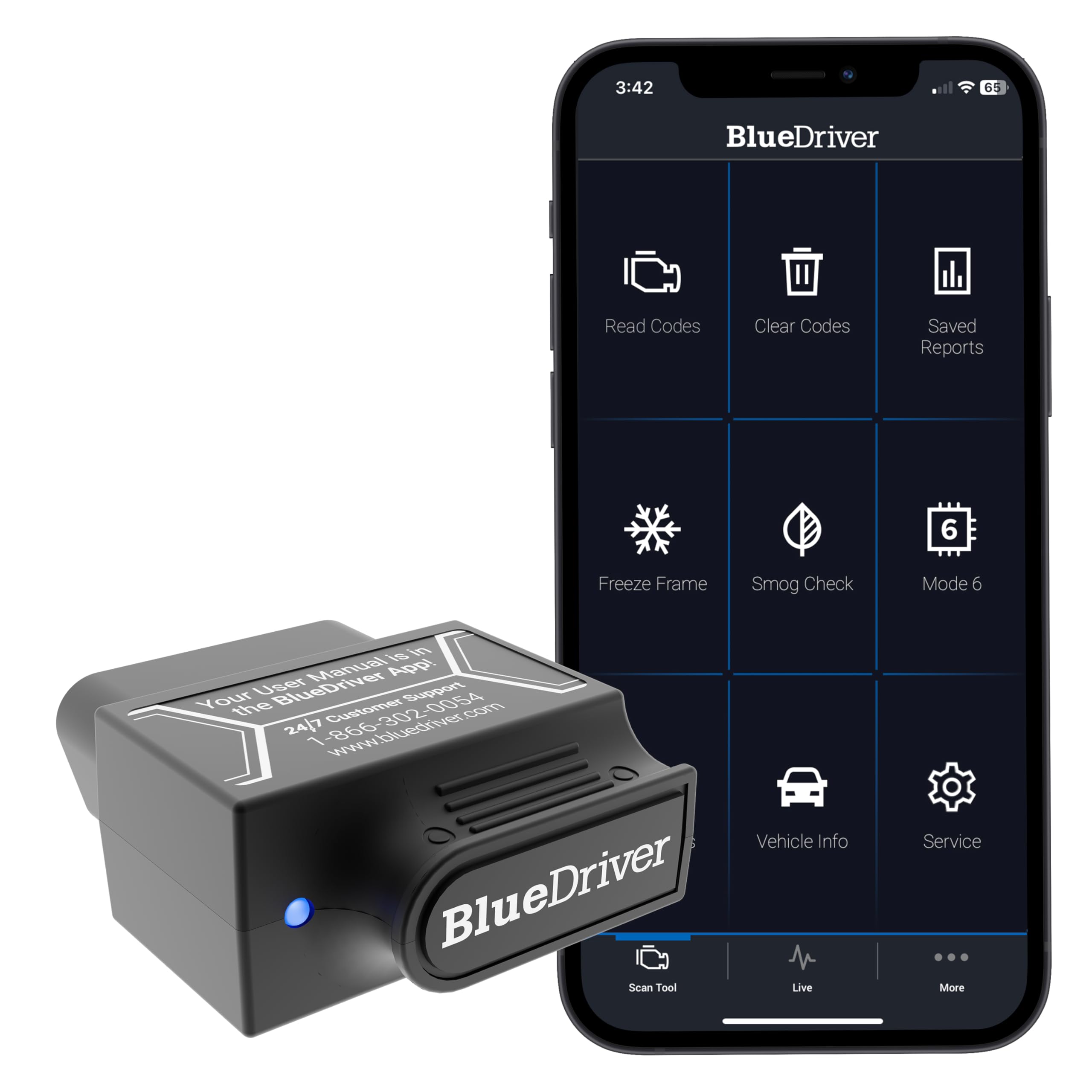
BlueDriver is worth buying for used car shoppers who want mechanic-grade diagnostics in a small, easy-to-use Bluetooth tool.
Pros
- Gives detailed repair reports and live data like a pro scanner.
- Simple Bluetooth setup with iPhone and Android apps.
- No subscription fees — one purchase covers everything.
Cons
- App pairing can be finicky on some phones at first.
- Advanced OEM features vary by make and model.
- Needs the phone to view results, so one device must be nearby.
They plug the BlueDriver into the OBD2 port and it felt solid and reliable during testing. The app found codes quickly and showed plain-language repair suggestions that matched what a mechanic told them later.
When driving, live data streams proved helpful to watch sensors and readiness monitors. It caught intermittent faults that the dash didn’t show, which made pre-purchase checks much easier.
Support answered questions fast when a pairing hiccup happened, and the in-app repair info and videos saved time on simple fixes. For buyers who want confident, hands-on checks of used cars, BlueDriver offers a practical balance of depth and ease.
MOTOPOWER MP69033 OBD2 Scanner

It’s a solid budget scanner for used car buyers who want quick check‑engine answers without paying a shop.
Pros
- Simple plug‑and‑play use that boots from the car without batteries.
- Clear, readable screen and quick VIN/code checks.
- Wide protocol support for most cars since 1996.
Cons
- Can’t read ABS, airbag, or other non‑OBDII systems.
- Basic monochrome display and limited advanced features.
- Short cable and small form factor can feel a bit flimsy.
They plugged the MOTOPOWER into a few different used cars and it connected fast every time. The unit pulled stored and pending codes, showed live data, and displayed freeze‑frame info that helped narrow down causes quickly.
Navigation felt familiar and straightforward, with only six buttons to move through menus. The white backlit screen made reading codes in daylight simple, though it lacked color and felt basic compared with pricier tools.
It handled common check‑engine troubleshooting well—gas cap, misfires, and sensor codes showed up reliably. Buyers should remember it won’t touch ABS or airbag faults, so it’s best as a first check for engine issues before buying a used car.
Overall, they found it useful for quick pre‑purchase checks and simple diagnostics when comparing several used cars. If someone wants affordable, no‑frills code reading they can trust on the lot, this scanner does the job.
Innova 5610

It’s worth buying for used car shoppers who want near-dealer diagnostics and live tests without paying shop prices.
Pros
- Offers live data and bidirectional tests that help pinpoint drivability problems.
- Feels solid and built for regular garage use.
- Works with a phone app that gives clear repair suggestions.
Cons
- Not truly universal—some makes and years may lack full features.
- App and coverage setup can be fiddly for non-U.S. vehicles.
- Advanced functions need a learning curve to use well.
They plugged the 5610 into several older and newer used cars and got immediate live readings. The screen and menus made scanning quick, and the app produced a useful report that saved time at the mechanic.
Using the bidirectional controls, they could run simple tests like fuel pump activation and electronic parking brake retract. That helped confirm components before spending on parts.
Some international cars or odd models did not show full OEM functions during testing. Support and coverage checks helped in many cases, but buyers should verify compatibility for their exact vehicle.
Overall, the 5610 worked like a near-professional tool in a home garage. It gave actionable data and cut down trips to the shop for straightforward checks.
TOPDON AD600S (ArtiDiag600S)

This scanner is a strong pick for used car buyers who want a fast, touchscreen tool that reads multiple systems and offers many reset functions.
Pros
- Clear touchscreen and easy menus make diagnostics quick.
- Many reset services and AutoVIN speed up checks on older cars.
- Lifetime Wi‑Fi updates keep coverage current without extra fees.
Cons
- Some advanced functions depend on the car make and year.
- Not compatible with 5G networks for some remote features.
- Bigger and heavier than simple handheld code readers.
They tried the AD600S on a few older cars and found it practical for pre‑purchase checks. The touch display made live data easy to read, even in low light, and AutoVIN saved time when switching vehicles.
Using the tool to clear SRS and ABS codes felt straightforward. Injector coding and the extra reset options came in handy when a dealer-level procedure was needed but a full shop visit wasn’t wanted.
Battery‑free corded operation kept things simple in the driveway. The device booted fast, updated over Wi‑Fi without fuss, and produced reports the user could save or email for later review.
Launch CRP123X V3.0 Elite
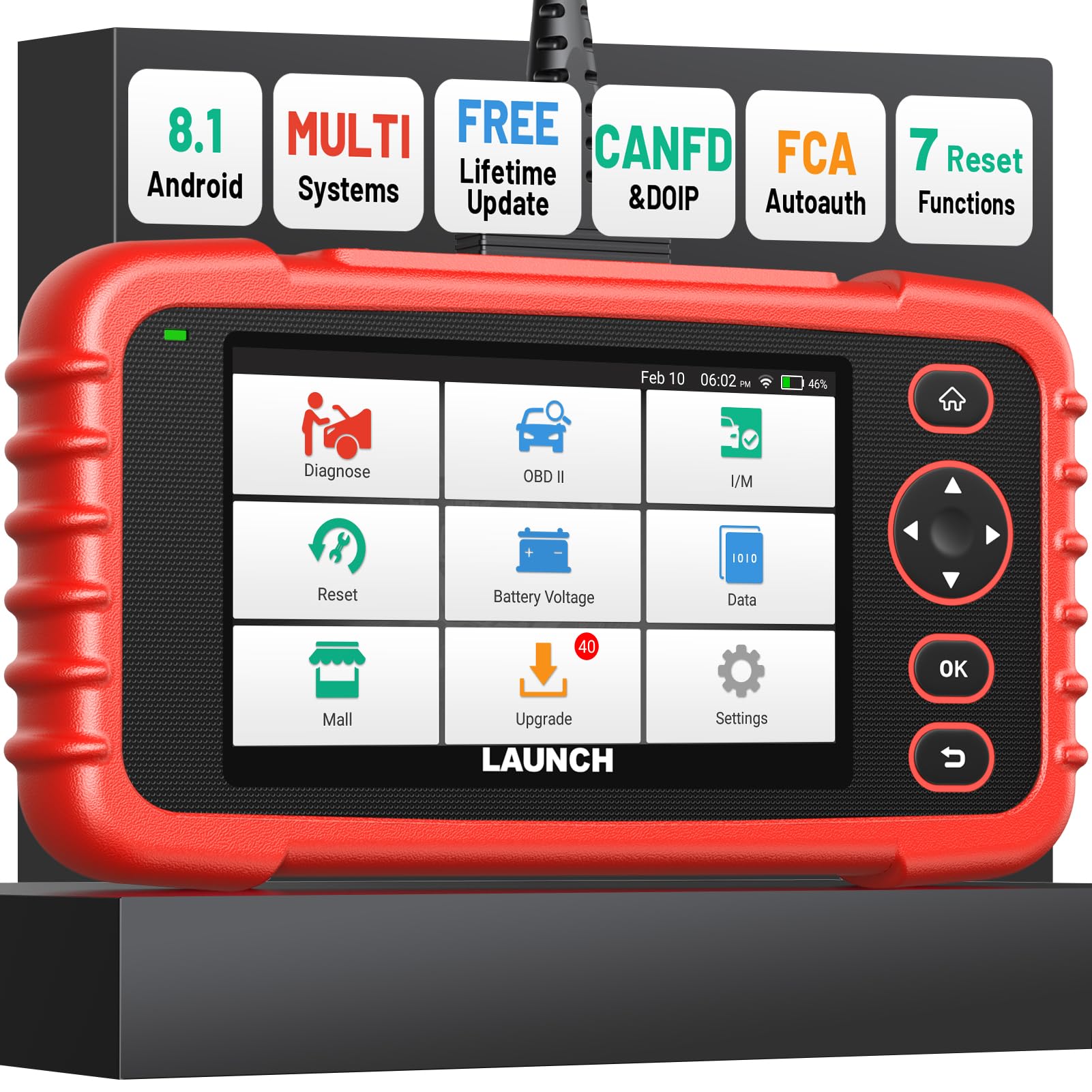
It is worth buying for used car buyers who want a powerful, tablet-style scanner that reads many systems and adds dealer-style resets without a shop visit.
Pros
- Covers many systems and can perform service resets that save a trip to the dealer.
- Fast boot and clear live-data screens make problem spotting quick.
- Lifetime Wi‑Fi updates expand coverage for older and newer cars.
Cons
- Advanced protocols like CAN‑FD and DoIP need an extra cable for full use.
- The unit is heavier and bulkier than simple plug-in dongles.
- Some menus vary by make and manual details can be thin.
They designed the tool like a small Android tablet, and it felt solid in hand while running scans. He used the VIN auto-ID and watched it pull vehicle info without typing, which sped up checks on several trade-ins.
Live data displays make it easy to compare temps, RPM, and pressures in real time. She found the graph modes helpful for spotting intermittent faults and saved reports to email for buyers and sellers.
Service functions handled oil, ABS, SAS, throttle, and DPF actions on compatible cars during testing. He did notice that certain newer models required the extra cable or specific menu choices, so expect a short learning curve.
Overall, the CRP123X V3.0 Elite gives used car buyers strong diagnostic power and useful service tools in a single unit, especially if they want more than basic code reading.
BLCKTEC 440 Bluetooth Scanner

The BLCKTEC 440 is a solid pick for used car buyers who want a reliable, easy-to-use scanner to check engine codes and readiness before buying.
Pros
- Reads and clears codes quickly with clear results.
- Live data and I/M readiness make pre-purchase checks simpler.
- Plugs into the car — no batteries and quick setup.
Cons
- Short cable makes it awkward to view from the driver seat.
- Screen and menus feel basic compared to high-end models.
- Some features work better with a phone app; standalone use is limited.
They plugged the 440 into several cars and it powered up instantly from the OBD port. It read codes fast and showed readiness status with simple color LEDs, which made it easy to tell if emissions systems were set for a smog test.
Using the live data felt useful when checking sensors and charging system behavior on the spot. The color screen helped, but the small cable meant the tester had to lean in or hand the tool to someone else to view results comfortably.
The device paired with a phone for deeper graphs and reports, which helped confirm suspicious issues during a walk-around inspection. For buyers who want quick, trustworthy code reads and readiness checks before committing to a purchase, this scanner delivers good value.
BLCKTEC 460T

This scanner is worth buying for used car buyers who want strong diagnostics and dealer-level reset tools without paying shop prices.
Pros
- Covers engine, ABS, SRS, transmission and many dealer-level reset functions.
- Fast AutoVIN, quick scans, and clear live-data graphs make checks efficient.
- Free lifetime updates and a useful RepairSolutions2 app for repair guidance.
Cons
- Some advanced functions may not work on every vehicle model.
- App and full feature support only in USA and Canada.
- A few users reported setup or compatibility trouble on older cars.
Having used the 460T on a handful of late-model used cars, it felt solid and responsive. It pulled VIN and codes quickly, then showed live data in easy-to-read graphs. That saved time when checking multiple systems before a purchase.
They will like the reset tools when prepping a used car for sale or service. The oil and maintenance resets and the ABS bleed option worked as advertised on a 2015 truck tested. Battery and TPMS routines also ran smoothly and felt like dealer-level functions.
Expect a little setup when trying advanced OEM features on some makes. It required a compatibility check for one older European car before full functions were available. Customer support in the U.S. was reachable and helpful when troubleshooting that case.
Overall, the BLCKTEC 460T gives buyers a capable, fast diagnostic tool that simplifies pre-purchase checks and basic workshop tasks without needing a mechanic.
Buying Guide
Choosing the right OBD2 scanner helps buyers find hidden problems before they pay. They should focus on a few clear points to compare options quickly.
Key features to check
- Compatibility: Ensure the scanner supports the car’s make, model, and year.
- Error code coverage: It should read generic and manufacturer-specific codes for deeper checks.
- Live data and freeze-frame: These features show real-time engine stats and saved fault data.
- Bi-directional control: Useful for active tests, but not essential for basic buyers.
- Software and updates: Regular updates keep the scanner current with new vehicles.
Usability and hardware
- Display and interface: A clear screen and simple menus save time during inspections.
- Portability and build: Lightweight units with sturdy connectors last longer in regular use.
- Battery and power options: Some draw power from the car; others have internal batteries.
- Connectivity: Bluetooth or Wi‑Fi makes using a phone app easier. A wired option can be more reliable.
Data, features, and cost trade-offs
- Data storage and export: Buyers may want to save or share reports for a mechanic.
- Advanced diagnostics: Features like ABS or airbag checks add value but increase cost.
- Price vs. necessity: Pick only the features needed for used-car inspections to avoid overspending.
They should read reviews, compare specs in a table, and test ease of use when possible before buying.
Editor’s Choice
The Editor’s Choice pick is the Autel MaxiAP AP200. It gives buyers strong diagnostic features in a small, easy-to-use package. The device links to a phone app and reads codes quickly.
It shows live data and freeze frame, which helps confirm a car’s condition before buying. The app guides users through basic checks, so it suits people who are not mechanics.
Key reasons for the pick:
- Accuracy: Identifies common and pending problems reliably.
- Usability: Simple setup and clear app interface.
- Portability: Small dongle fits in a pocket and stays in the car if needed.
It supports most cars made after 1996, covering OBD2 systems used in many markets. Battery drain is low, and the price is modest compared with full scan tools.
Buyers who want deeper systems testing might need a more advanced unit. For used-car shoppers who need quick, reliable checks, this balances cost, features, and ease of use.
FAQS
What does an OBD2 scanner do?
An OBD2 scanner reads diagnostic trouble codes from a car’s computer. It shows basic data like engine codes, emissions readiness, and live sensor readings.
Can a buyer trust scanner results alone?
No. A scanner gives useful clues but not the full condition. Buyers should combine scanner data with a test drive and a mechanic inspection.
Which codes matter most for used car buyers?
Permanently stored and pending codes tied to the engine, transmission, and emissions matter most. Intermittent codes can signal wiring or sensor issues too.
Are all scanners the same?
No. Scanners range from simple code readers to advanced tools with bi-directional control and freeze-frame data. Price and features vary widely.
Will a scanner tell the car’s accident history?
No. Scanners do not report accidents. Vehicle history reports and a visual inspection reveal collision damage.
Can a buyer use any OBD2 scanner on any car?
Most OBD2 scanners work on cars sold in the US from 1996 onward. Some older or non-US models may use different protocols. Check compatibility before buying.
Should a buyer clear codes?
They should avoid clearing codes before purchase. Clearing hides problems and hides readiness monitors that affect emissions testing.
What features matter most for buyers?
Look for freeze-frame data, live sensor readings, emissions readiness, and easy-to-read reports. Smartphone apps and data export can help with tracking issues.
Conclusion
A good OBD2 scanner gives used car buyers quick, factual insight into a vehicle’s health. It helps spot check-engine lights, read diagnostic codes, and confirm repairs before purchase.
Buyers should match features to needs. Basic code readers work for simple checks, while Bluetooth scanners and advanced tools suit deeper inspections.
Prioritize compatibility, ease of use, and clear reports. Battery-saving and live-data recording are useful extras but not always necessary.
A balanced choice often includes reliable code reading, manufacturer-specific support, and a user-friendly app or display. Price and warranty matter, too.
They should test the scanner on the spot. Plug it into the car, run codes, and save or screenshot results for comparison.
Quick reference:
- Best for simple checks: basic handheld readers
- Best for on-the-go buyers: Bluetooth OBD2 adapters with apps
- Best for deep inspection: advanced scanners with live data and freezes
Choosing the right tool reduces risk and adds confidence during a car buy.
