
10 Best OBD2 Scanner With ABS SRS for Home Mechanics — Reliable Picks and Buying Guide

OBD2 scanners with ABS and SRS support help home mechanics read and clear fault codes for the engine, anti-lock brakes, and airbags without a trip to the shop. These tools range from simple code readers to advanced scan tools that show live data, run system tests, and guide repairs. We focus on scanners that balance ease of use, accurate ABS/SRS coverage, and reliable updates so DIYers can diagnose safety systems confidently.
When choosing one, look for ABS and SRS code coverage for your vehicle, clear live-data displays, software updates, and solid build quality; the most important feature is confirmed ABS/SRS compatibility for your car model and year because a scanner that can’t read those systems is the wrong tool for the job. We tested and compared models that offer straightforward menus, durable connectors, and helpful diagnostics to find the best options for home mechanics, and our picks reflect real-world use and value.
Best OBD2 Scanners with ABS & SRS
We tested and compared top OBD2 scanners that read ABS and SRS codes for home mechanics. Our list focuses on ease of use, accurate diagnostics, and value so you can pick the right tool for DIY repairs.
FOXWELL NT604 Elite

We recommend this scanner if you want a reliable, easy-to-use tool that reads ABS and SRS codes without extra software fees.
Pros
- Clear, fast diagnostics for ABS, SRS, engine, and transmission
- AutoVIN saves time and works on many makes
- Solid protective case and lifetime updates
Cons
- No advanced service functions like relearns or ABS bleeding
- Can’t clear crash-related SRS data
- Compatibility varies by year and model
We plugged the NT604 into a few cars and it started right away. The menu felt logical and the built-in software meant we didn’t need to fuss with downloads. Running an ABS and SRS check was quick and the live data helped us see real-time sensor readings.
We liked how AutoVIN pulled vehicle info fast on most cars we tried. Clearing simple SRS and ABS fault codes after fixing the issue worked as expected. The screen is clear enough to read live data and play back logs when troubleshooting.
We found limits on advanced workshop tasks — no relearns, no service resets. On one older vehicle AutoVIN failed and we had to pick the model manually. Overall, it’s a solid choice for home mechanics who need reliable code reading and live data without paying extra for software.
BlueDriver Pro Next-Gen
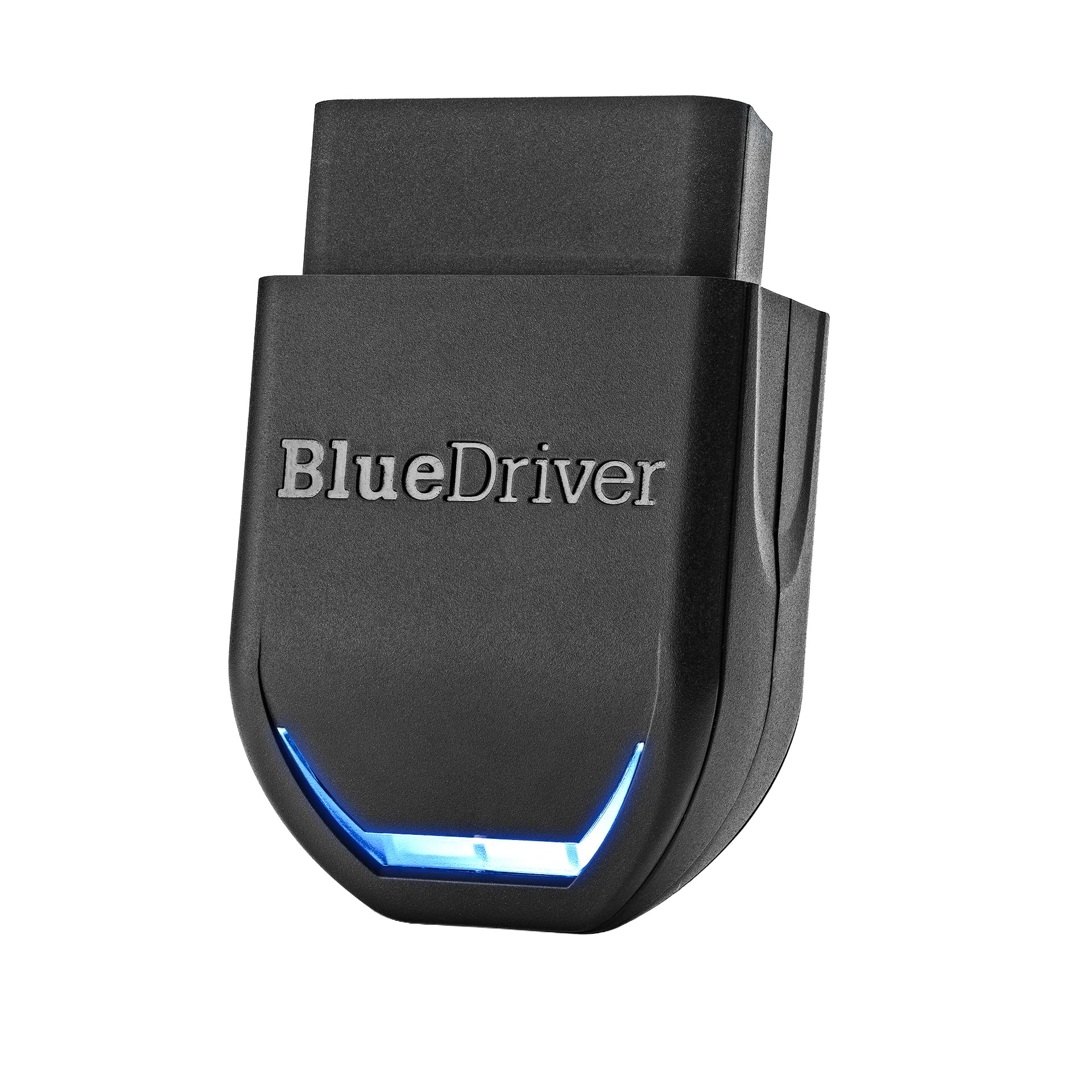
We recommend this if you want a simple, reliable Bluetooth OBD2 tool that reads ABS and SRS codes without subscription fees.
Pros
- Covers ABS, SRS, TPMS and many enhanced codes.
- Easy phone app setup and wireless use.
- Detailed, VIN-matched repair reports help guide fixes.
Cons
- Some late-model or niche vehicles may show limited support.
- Occasional pairing hiccups on certain phones.
- Requires a phone or tablet to view results — no handheld display.
We plugged the BlueDriver into our daily drivers and found the setup fast. The app walked us through scans and the device paired wirelessly after a minute. Having live data and freeze-frame views on the phone felt handy when tracing intermittent warnings.
When an ABS light came on during a test drive, BlueDriver pulled codes other basic readers missed and linked to verified repair steps. Those repair reports saved us time deciding whether to DIY or go to a shop. Clearing codes was instant and the light stayed off after a proper fix.
We noticed the app is the core of the experience. If your phone has Bluetooth quirks, support helped us troubleshoot quickly. For most home mechanics who want ABS and SRS diagnostics without a subscription, this tool works cleanly and keeps things simple.
FOXWELL NT630 Plus

We recommend this if you want a rugged, no-frills ABS/SRS-capable scanner that saves DIYers trips to the shop for common brake and airbag checks.
Pros
- Good ABS and SRS diagnostics for many cars.
- Built-in ABS auto-bleed and active tests make some repairs faster.
- Simple Wi‑Fi updates with no subscription.
Cons
- Coverage varies by make/model; some features won’t work on all vehicles.
- No coding, programming, or advanced module relearns.
- Menu navigation can feel clunky until you learn it.
We plugged the NT630 Plus into several older cars and liked how fast it powered up and read VIN and live data. The 2.8″ screen is small but clear, and the menus give plain-English code definitions that helped us decide what to tackle first.
Running the ABS auto-bleed on a supported Jeep and a Ford felt really handy — the tool cycled the pump and valves so we could confirm the repair. On a few models the auto-bleed didn’t work because the vehicle doesn’t support it, so we switched to manual bleeding. That matched the product notes and saved us guesswork.
We used the bidirectional tests to spin sensors and actuate components while watching live graphs. That made wiring and sensor faults easier to spot. Expect limitations: it won’t do module coding, SRS crash data programming, or deep engine programming tasks.
For a home mechanic who wants reliable ABS/SRS checks, live data, and useful resets without a phone app or subscription, this tool is a solid pick. If you need vehicle-specific features, confirm compatibility with the seller before buying.
TOPDON AD500
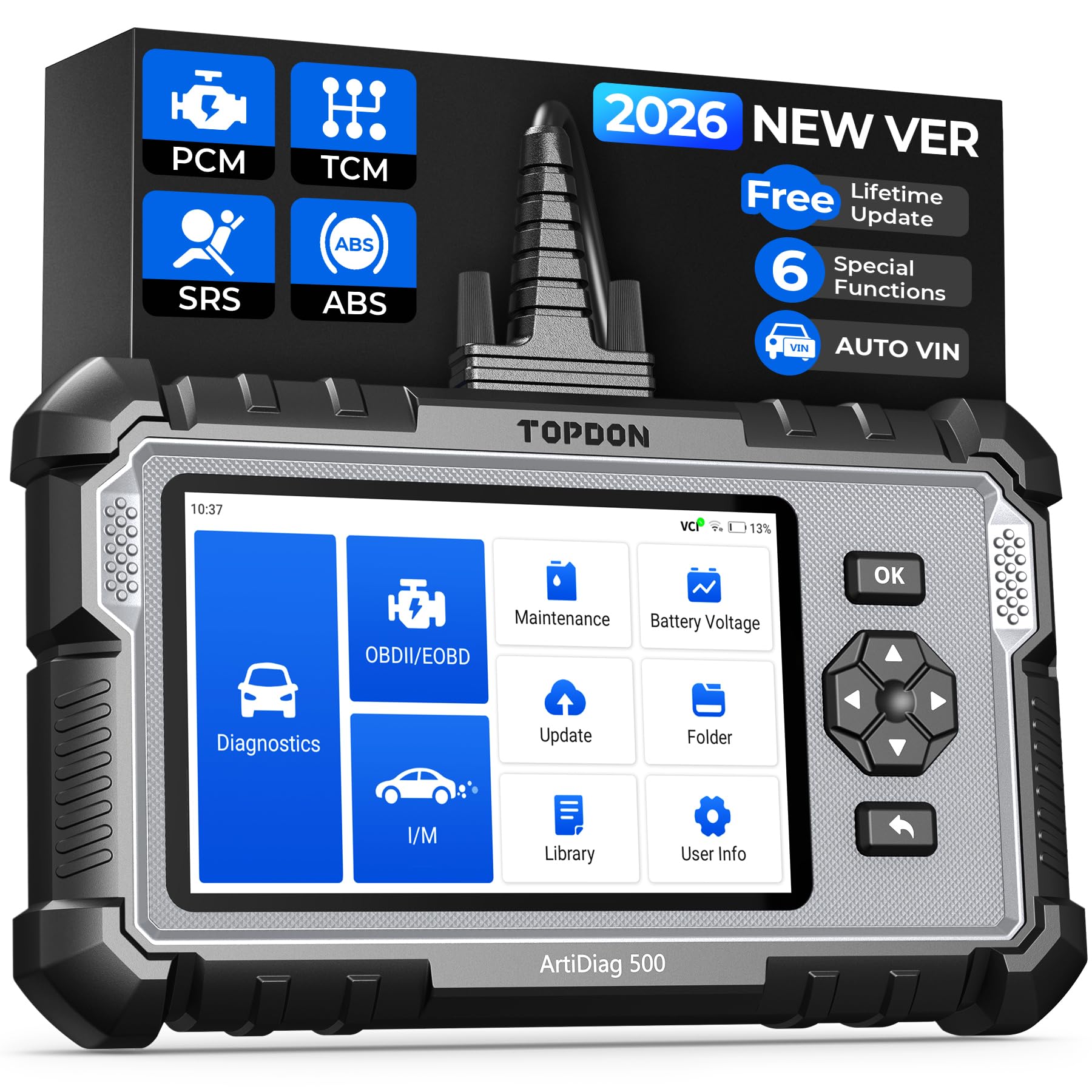
We recommend this if you want a solid mid-range scanner that handles ABS and SRS plus useful reset services for home mechanics.
Pros
- Reads ABS, SRS, transmission and engine codes clearly.
- Handy resets (oil, SAS, TPMS, BMS, EPB, throttle) for DIY jobs.
- Large screen and battery make shop-style use easier.
Cons
- Requires account and Wi‑Fi for full setup and updates.
- Initial vehicle recognition can be slow and clunky.
- Some updates have caused login or offline issues for a few users.
We used the AD500 on a few household repairs and liked how it found ABS and SRS faults that cheap code readers missed. Pulling live data in charts made trends easy to spot while we tested sensors and wiring.
Battery testing and the reset functions saved us a trip to the dealer when the battery and TPMS needed attention. The touchscreen plus buttons felt rugged and the 5-inch display helped when we worked in poor light.
Setup took longer than expected because it pushed account creation and updates over Wi‑Fi. Once updated, the unit ran smoothly, but a handful of users report trouble after some updates, so keep that in mind before relying on it for critical work.
Overall, we think this is a good pick for DIYers who want more than basic engine codes and who don’t mind a bit of online setup.
OBDMATE OM901
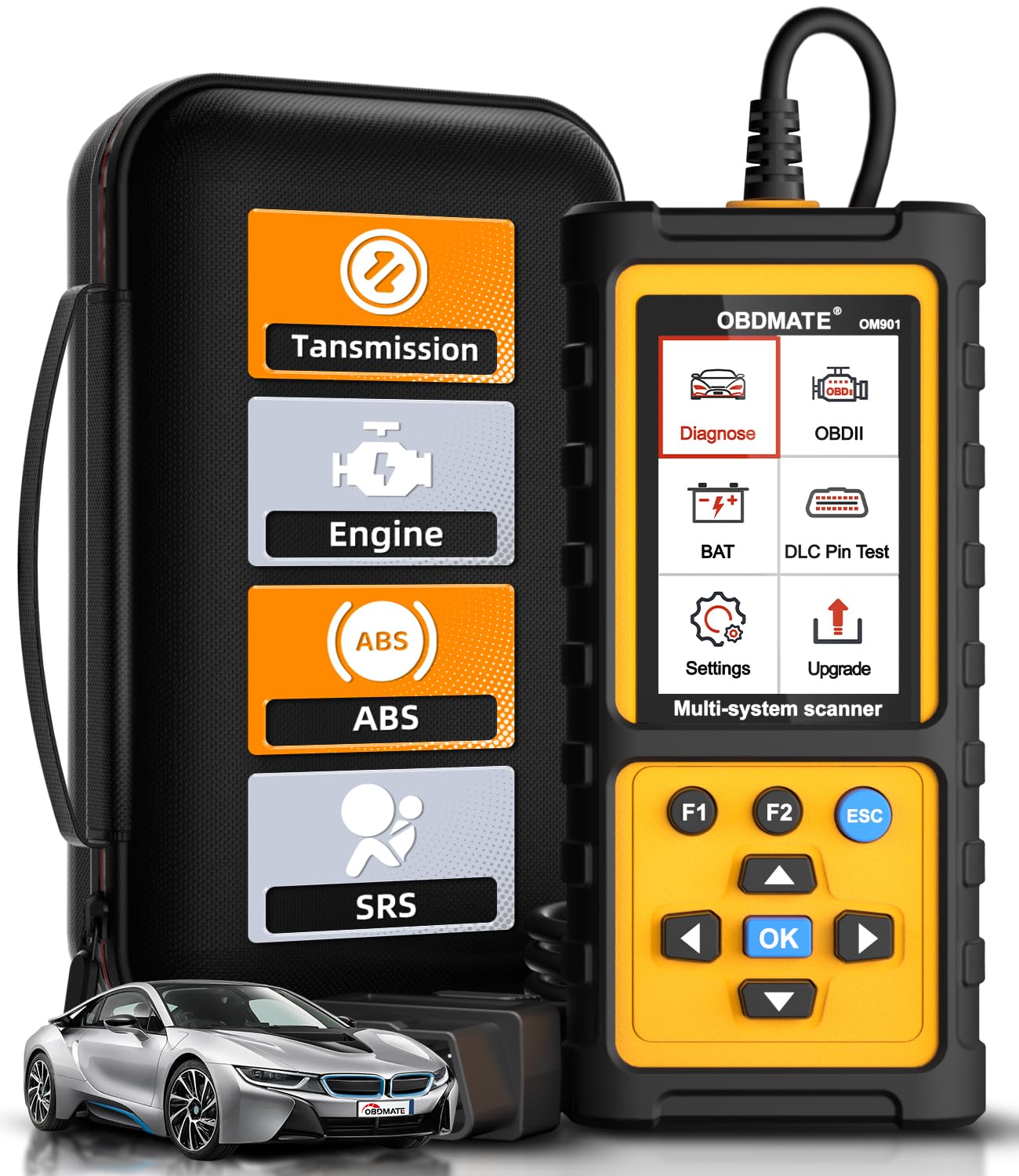
We recommend this for home mechanics who want a full OBD2 tool that also clears ABS and SRS faults without extra fuss.
Pros
- Clears ABS, SRS, engine, and transmission lights quickly.
- Big 3.5″ screen makes live data and menus easy to read.
- Plug-and-play design with free updates keeps it current.
Cons
- Menus can feel a bit clunky the first few uses.
- Limited advanced coding or OEM-specific functions.
- Cable-only power means no onboard battery for field use.
We used the OM901 on a few family cars and liked how fast it pulled ABS and SRS codes. Plugging it in was simple and the screen showed live data clearly, which helped us trace sensor issues without guessing.
The unit felt solid in hand and the silicone case added real protection when we moved between garages. The DLC pin test and battery voltage readouts came in handy during a weekend where a weak battery caused flaky warnings.
Getting updates from OBDMATE’s site took just a few minutes and the free updates matter for newer cars. Some menus took a moment to learn, and we missed deeper OEM features, but for home use this scanner handled the common jobs well.
BLCKTEC 460T

We recommend this if you want a full-featured scanner that handles ABS and SRS plus many shop-level reset functions for DIY repairs.
Pros
- Clears and reads ABS/SRS and other modules reliably.
- Fast AutoScan and live data make troubleshooting quicker.
- Many reset and service functions let us do workshop tasks at home.
Cons
- Some advanced functions depend on the vehicle and may not work on every car.
- App and feature set only supported in the USA and Canada.
- Occasional unit cosmetic issues reported in shipments.
We plugged the 460T into several of our cars and found the AutoVIN and AutoScan saved us time. It grabbed VINs and scanned multiple ECUs without fumbling through menus. Live data graphs helped us spot intermittent faults fast.
Using the ABS bleed and battery reset functions felt like dealer-level work. We did an ABS bleed after brake service and the tool guided the process smoothly. The SRS read/clear also returned clear codes after a connector splice fix.
Updates and RepairSolutions2 add value, and we liked that cloud reports made follow-up easy. Still, we double-checked compatibility before trying advanced resets on an older vehicle because some functions simply weren’t available.
FOXWELL NT614 Elite
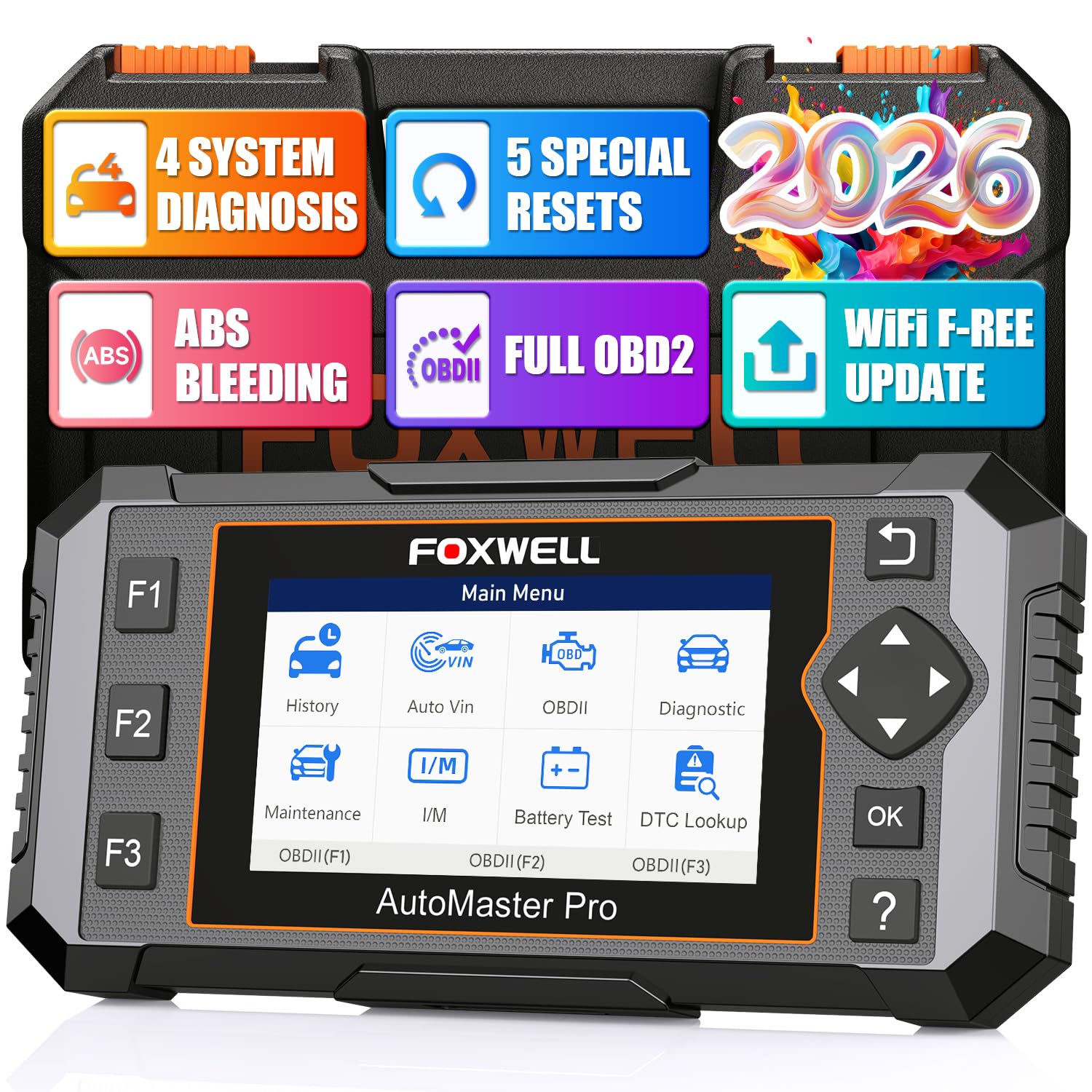
We recommend this if you want a solid home-use scanner that reads Engine/ABS/SRS/Transmission and offers useful resets without a shop visit.
Pros
- Fast autovin and clear codes across four major systems.
- Useful ABS bleeding and common reset tools save shop time.
- Live data graphs and built-in DTC library make diagnosis easier.
Cons
- Some units have firmware/update problems out of the box.
- Not every vehicle supports all reset functions.
- Interface and screen feel a bit dated compared with newer tablets.
We plugged the NT614 into several of our daily drivers and liked how quickly it found the VIN and pulled system codes. The live-data graphs helped us spot a flaky wheel-speed sensor without digging through menus.
We ran an ABS bleed after changing pads on one car and got firmer pedal feel right away. The EPB and throttle relearn routines worked as expected on supported models, which kept us from paying a shop for simple tasks.
We did see a firmware hiccup on one unit when updating; swapping or reattempting the update fixed it for some owners, but that may frustrate less technical users. Overall, for the price and the home mechanic toolbox, this feels like a practical, capable scanner that pays for itself when you use the reset features.
TOPDON AD600S

We recommend this if you want a full-featured, easy-to-use scanner that handles ABS and SRS without needing a laptop.
Pros
- Fast, clear touchscreen that speeds up tests.
- Lots of reset functions and injector coding for DIY repairs.
- Wi‑Fi updates and no extra software fees.
Cons
- Menus can feel crowded and take time to learn.
- AutoVIN and some features don’t work on every car.
- Bulky compared with simple handheld code readers.
We used the AD600S on a few older cars and a light truck. The touchscreen makes jumping between ABS, SRS, engine, and transmission quick. Reading live data in graph or text saved us time when tracing intermittent faults.
Reset functions like SAS, ABS bleeding, and DPF were straightforward and worked where simpler readers failed. Injector coding and BMS resets came in handy on a project car, though some vehicle-specific menus didn’t show every service for every make.
Updates over Wi‑Fi kept the tool current during our testing, and the unit felt solid in hand. Learning the layout took a short while, and a few advanced functions needed menu digging, but overall it cut diagnostic time for home mechanics.
Innova 5410 Scanner
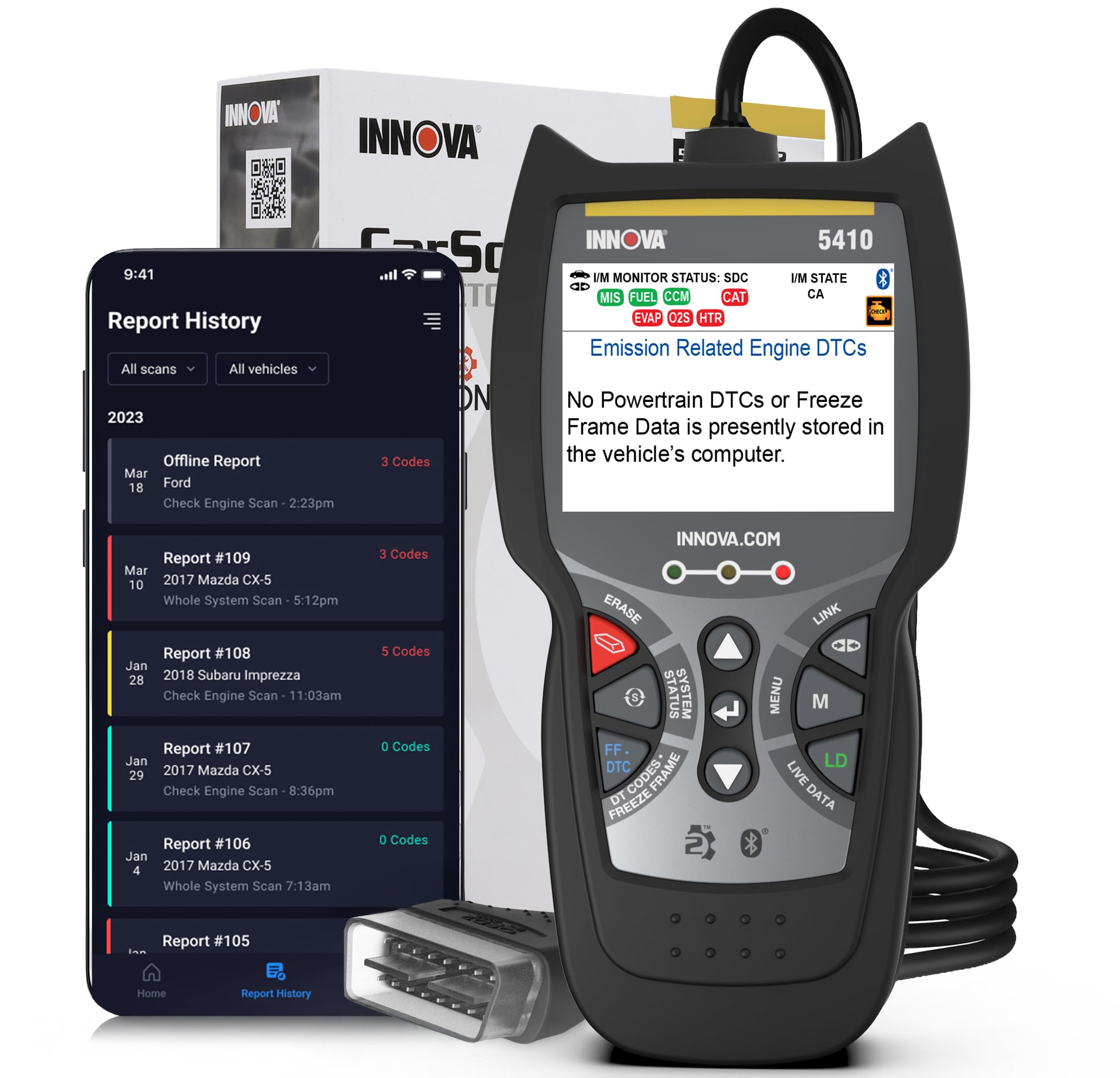
We recommend this if you want a solid all-system scanner that reads ABS and SRS and is simple for home mechanics to use.
Pros
- Covers engine, ABS, SRS, transmission and shows live data.
- No subscription fees and links to RepairSolutions2 for verified fixes.
- Handheld, straightforward menus—easy to use in the garage.
Cons
- Not truly universal—check vehicle coverage before buying.
- Lacks some advanced shop features like active brake bleeding.
- Smaller screen can feel cramped when viewing lots of live data.
We plugged the Innova 5410 into a few cars and trucks and found it fast to boot and easy to navigate. The live data streams were clear and helped us pinpoint sensor issues without guessing.
Using the ABS and SRS functions felt reliable on the models it supported. We did run into one truck where the unit couldn’t access a specific module, so coverage checks matter.
Updates via PC were painless, and pairing with the RepairSolutions2 app gave clear repair info. For home mechanics who want a no-nonsense tool that reads the major systems, this one performs well for the price.
Launch CRP123 V3.0 Elite

We recommend this if you want a solid, easy-to-use scanner that reads and clears Engine, ABS, SRS, and Transmission codes and gives lifetime updates.
Pros
- Clear, fast code reads and live data graphing
- Lifetime updates and useful reset functions (oil, throttle, SAS)
- Sturdy build that feels like pro gear for the price
Cons
- PC/Wi‑Fi update process can be clunky and confusing
- Some vehicle models may not fully communicate with it
- Screen and software feel a bit dated compared to newer units
We plugged this into several family cars and a friend’s SUV. The CRP123 found ABS and airbag codes quickly and showed live data in graphs that made faults easy to spot. Clearing lights after fixes worked without drama.
We used the reset functions for an oil service and a steering angle sensor recalibration. The actions completed and the car accepted the resets, which saved us a trip to the shop. Throttle adaptation also ran fine on an older car to smooth idle after repairs.
Updating the unit took longer than we expected. The update route through the chip/PC felt old-school and the website instructions could confuse first-timers. Still, once updated the scanner ran reliably and handled daily DIY jobs like a pro tool.
Buying Guide
We want an OBD2 scanner that reads ABS and SRS codes reliably. Look for diagnostic depth first. The scanner should show live data, clear codes, and run system tests for ABS and SRS.
We check compatibility next. Ensure the scanner supports your vehicle’s protocol and model year. Some scanners list supported systems; we prefer those that let us confirm before buying.
Ease of use matters for home mechanics. Choose a clear screen, simple menus, and good cable or wireless connection. A well-designed app or onboard UI saves time.
Build and update support are practical features to weigh. Durable hardware and regular software updates keep the scanner useful as cars change. Also check how updates are delivered and any subscription costs.
Consider extra tools and connectivity. We value freeze-frame data, graphing, and data logging. Wireless models offer convenience, while wired units can be more stable.
Pay attention to warranty and support. A decent warranty and responsive tech support reduce risks. Verify return policies before purchase.
We recommend comparing features in a simple table to decide quickly.
| Feature | Why it matters |
|---|---|
| ABS/SRS coverage | Diagnoses safety systems specifically |
| Live data & graphing | Helps track sensor behavior over time |
| Vehicle compatibility | Ensures it works with our car |
| User interface | Reduces learning time |
| Updates & support | Keeps device current and usable |
| Warranty & returns | Protects our purchase |
Editor’s Choice
We picked the Autel MaxiLink ML629 as our top choice for home mechanics. It reads ABS and SRS codes reliably, shows live data, and clears codes with a few taps. The screen is bright and easy to read in a garage.
We like its balance of features and price. It supports most makes and models, so you won’t need a different tool for every car. The included cable and simple menu save time when you work.
Key features:
- ABS & SRS coverage: Reads and clears airbags and ABS faults.
- Live data: Graphing helps spot intermittent problems.
- One-button I/M readiness: Quick check for emissions status.
We found the unit feels solid and built for regular use. Battery life and updates are good, and the menu is intuitive for beginners and experienced users alike.
If you want more advanced functions, consider stepping up to Autel’s higher models. For most DIY mechanics, the ML629 gives the most useful mix of ease, coverage, and value.
Conclusion
We picked scanners that balance features, ease of use, and price for home mechanics. Each model reads ABS and SRS codes, clears faults, and gives live data that helps us diagnose problems faster.
We recommend choosing based on vehicle coverage and how often we’ll use it. If we work on multiple makes, we pick broader compatibility. If we only need basic ABS/SRS checks, a simpler unit saves money.
We value software updates and good customer support. That keeps the tool useful as cars change and saves us future headaches.
Quick buying checklist:
- Compatibility with our vehicle(s)
- ABS and SRS coverage confirmed
- Regular software updates available
- Clear, easy-to-read live data
- Good warranty and support
We should also practice with the scanner before relying on it for repairs. Running tests on a known issue teaches us how results look and how to act on them.
We can rely on an OBD2 scanner with ABS/SRS functions to cut diagnosis time and reduce repair mistakes. Choose one that matches our needs, keep it updated, and use it often to get the most value.
FAQS
What does ABS and SRS support mean?
We mean the scanner can read and clear fault codes from your Anti-lock Braking System (ABS) and Supplemental Restraint System (airbags). That helps diagnose brake and airbag problems without a dealer visit.
Will an OBD2 scanner work on all cars?
Most cars sold in the U.S. since 1996 use OBD2. We still suggest checking your vehicle manual or the scanner’s compatibility list for make, model, and year before buying.
Do we need special training to use these scanners?
No. Basic scanners use clear menus and simple code definitions. Some advanced features may require reading the manual, but you don’t need formal training.
Can a scanner fix the problem once we clear a code?
Clearing a code only resets the warning light. We must fix the underlying issue to prevent the light from returning. Use the scanner’s data to guide repairs or to share information with a mechanic.
Are Bluetooth scanners as reliable as wired ones?
Bluetooth models offer convenience and live data on a phone or tablet. Wired scanners sometimes give faster response and fewer connection issues. We pick based on portability and how often we’ll use it.
How much should we expect to spend?
Entry-level ABS/SRS-capable scanners start around mid-range prices. Professional-grade tools cost more but offer deeper diagnostics. We recommend matching features to our repair needs, not just price.
