
10 Best OBD2 Scanners With Throttle Relearn in 2026

A throttle relearn tells the ECU where the throttle plate’s true idle position sits after cleaning the throttle body, replacing a sensor, or disconnecting the battery. Skip this step and a car can idle rough, hesitate on acceleration, or throw a code within days of a repair that otherwise went fine. It’s one of the more common procedures a home mechanic runs into, right alongside oil resets and battery registrations, which is why we focused this roundup on scanners that actually execute it rather than just mention it in the spec sheet.
Not every OBD2 scanner that claims “throttle reset” performs the same job. Some run a genuine guided relearn procedure with live feedback; others only clear codes and hope the ECU recalibrates on its own. The scanners below were evaluated specifically for confirmed throttle relearn support, plus how well they handle the bidirectional controls, vehicle coverage, and software updates that make a relearn actually stick. Bidirectional control matters here because a real relearn often means commanding the throttle motor directly and watching the response, not just reading a code.
Budget code readers can pull a check-engine code in seconds but won’t touch a throttle relearn at all. Scanners in the middle and upper tiers add guided reset menus, bidirectional active tests, and expanding vehicle coverage through CAN-FD and DoIP protocols that newer vehicles require. Picking the right one comes down to how often you’ll need relearn functions versus basic code reading, and how many vehicle makes you need covered.
Best overall bidirectional tool: Autel MaxiCOM MK900BT
Best for shop-level active testing: XTOOL D7
Best for app-based diagnostics: Innova 5610
Best lifetime-update value: TOPDON AD800BT 2
Best budget bidirectional scanner: XTOOL A30M V2.0
Best for everyday reset menu: TOPDON AD600S
Best compact all-system scanner: LAUNCH CRP123I V3.0 Elite
Best entry-level reset scanner: TOPDON AD500
Best simple 4-system scanner: LAUNCH CRP123 V3.0 Elite
Best basic code reader: ANCEL AD310
Autel MaxiCOM MK900BT
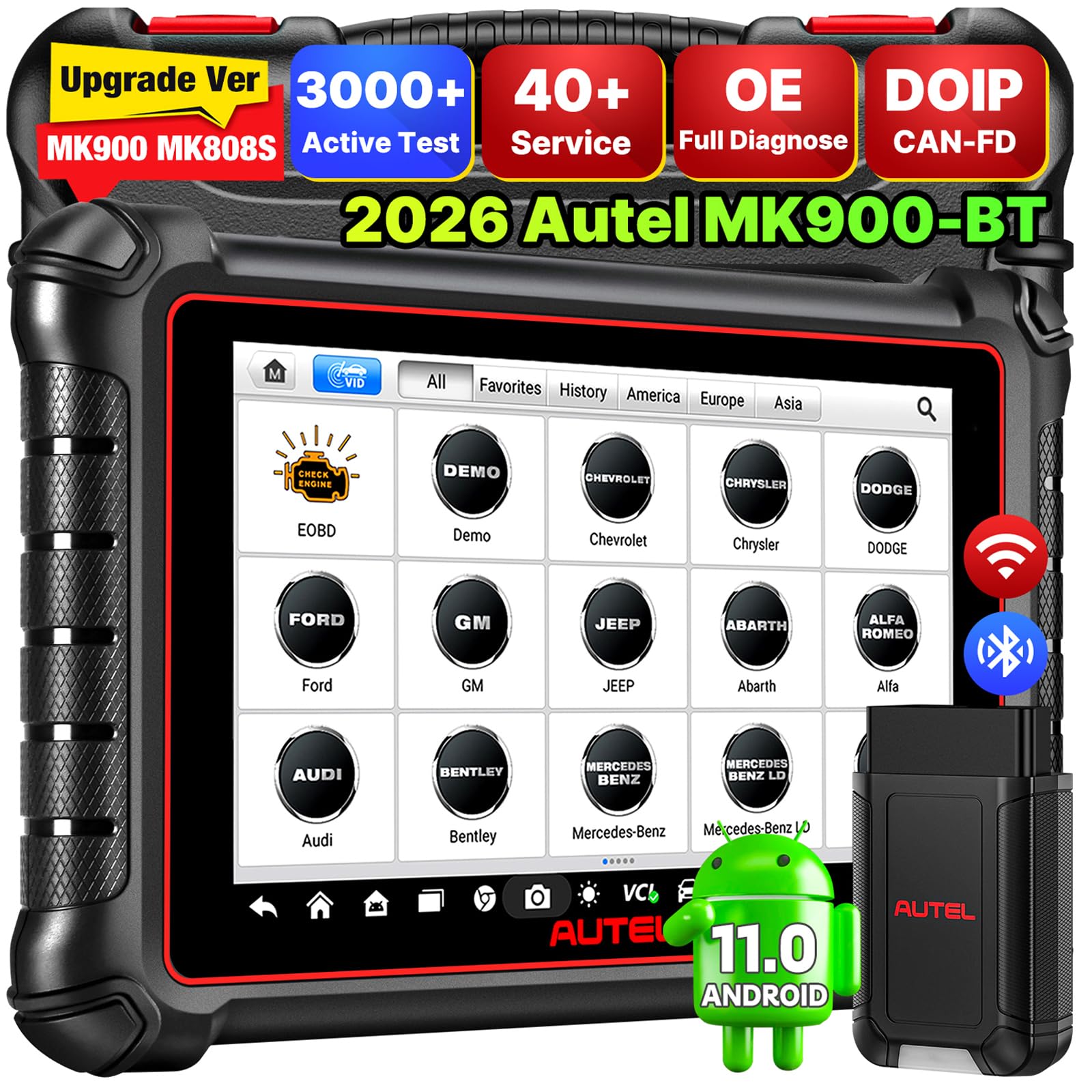
This is the pick for a home garage or independent shop that wants professional-grade bidirectional control including throttle relearn, without stepping up to a $2,000+ dealer-level tool.
Pros
- Throttle relearn included among 40+ service functions
- CAN-FD and DoIP protocol support for newer vehicles
- Large 8-inch screen with fast wireless diagnosis
Cons
- Subscription renewal after year one adds ongoing cost
- Some advanced features need separately purchased hardware
- Bulkier than pocket-sized scanners
The MK900BT runs a genuine active-test menu with thousands of bidirectional commands, not just a reset shortcut. Throttle relearn sits alongside SAS calibration, injector coding, and gearbox reset, all accessed through guided menus that walk you through the procedure step by step.
Build quality feels closer to a shop-grade tablet than a consumer gadget, with a 7700mAh battery and quad-core processor that keeps screens responsive during long diagnostic sessions. The one-year free update window is generous, and most functions keep working after it lapses, though full update parity requires the paid renewal.
XTOOL D7
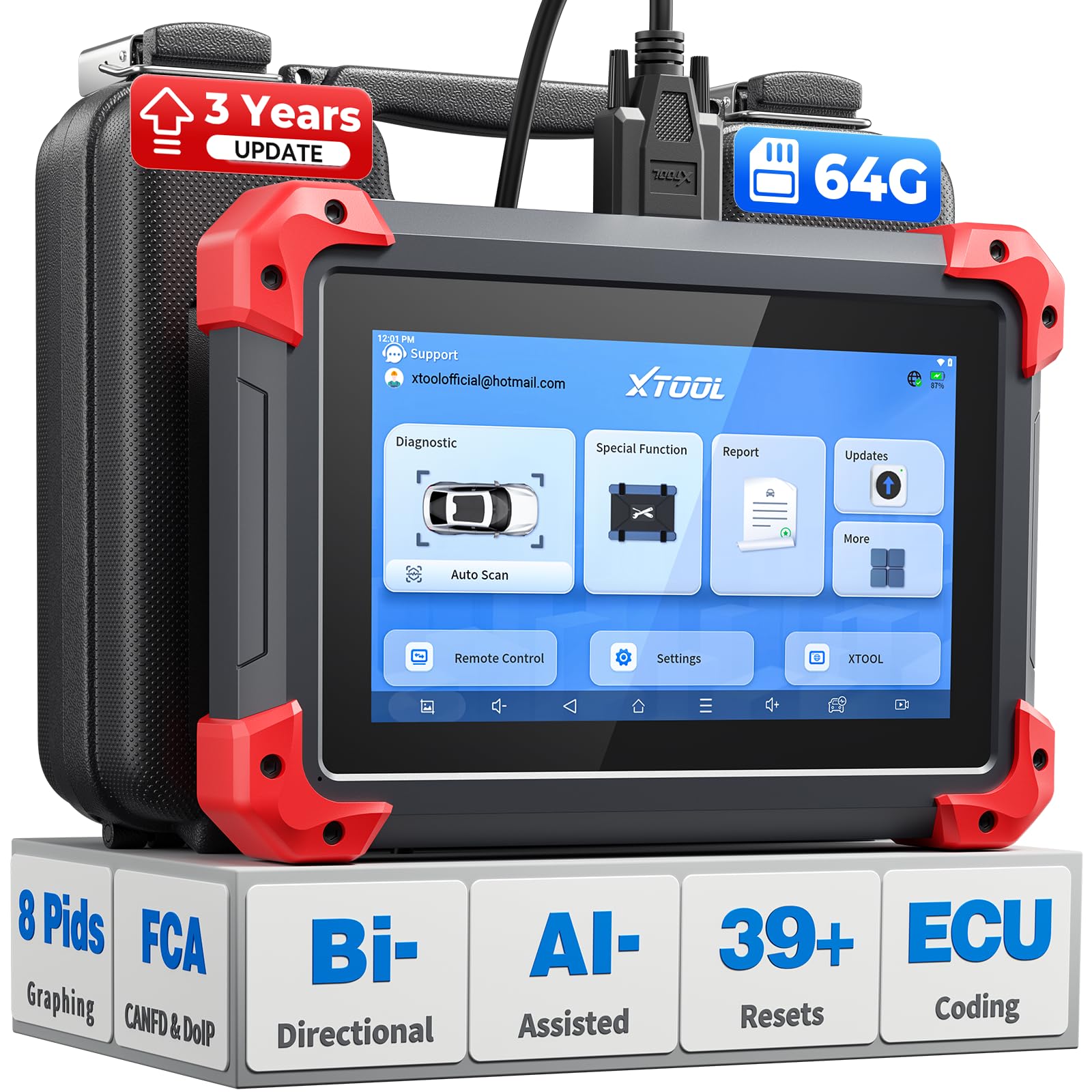
The D7 delivers shop-level throttle body relearn and crank sensor relearn in a package priced well under most professional tools with the same active-test depth.
Pros
- Confirmed throttle body relearn and crank sensor relearn procedures
- 8-PID live data graphing for spotting sensor drift
- Three years of included software updates
Cons
- Indian-market vehicles not covered
- Some owners report inconsistent coverage on specific Toyota/Lexus models
- 7-inch screen is smaller than premium rivals
Bidirectional PIDs let you fire a solenoid or run an ABS pump test while watching live sensor response, which is exactly the kind of feedback a throttle relearn depends on. The battery voltage reading before diagnostics is a smart touch that guards against running a relearn on a weak battery, a common cause of failed procedures.
Storage bumped to 64GB in the latest version, and the diagnostic report tool now supports shop branding for techs building a paper trail for customers. FCA AutoAuth access covers Chrysler, Dodge, and Jeep gateway vehicles when that subscription is added separately.
Innova 5610

Pair this with the RepairSolutions2 app and you get bidirectional throttle testing plus a plain-English repair explanation, a combination that suits owners who want guidance alongside raw data.
Pros
- Special Reset Function includes dealership-level relearn procedures
- Free updates with no subscription fees
- US-based ASE-certified phone support
Cons
- Compatible with select makes/models only, not universal
- Small 3.5-inch onboard screen relies on phone app for full detail
- Bidirectional features vary by vehicle, confirm before buying
Innova built its reputation on plain-language OBD2 tools, and the 5610 extends that into bidirectional territory. Commands like fuel pump activation or EPB retraction run directly from the app, with live data streamed back for confirmation.
Coverage isn’t universal, and Innova says so upfront rather than burying the caveat. Checking your specific vehicle against Innova’s coverage tool before buying saves a return; once confirmed compatible, the app experience is genuinely easier to follow than most rival software.
TOPDON AD800BT 2
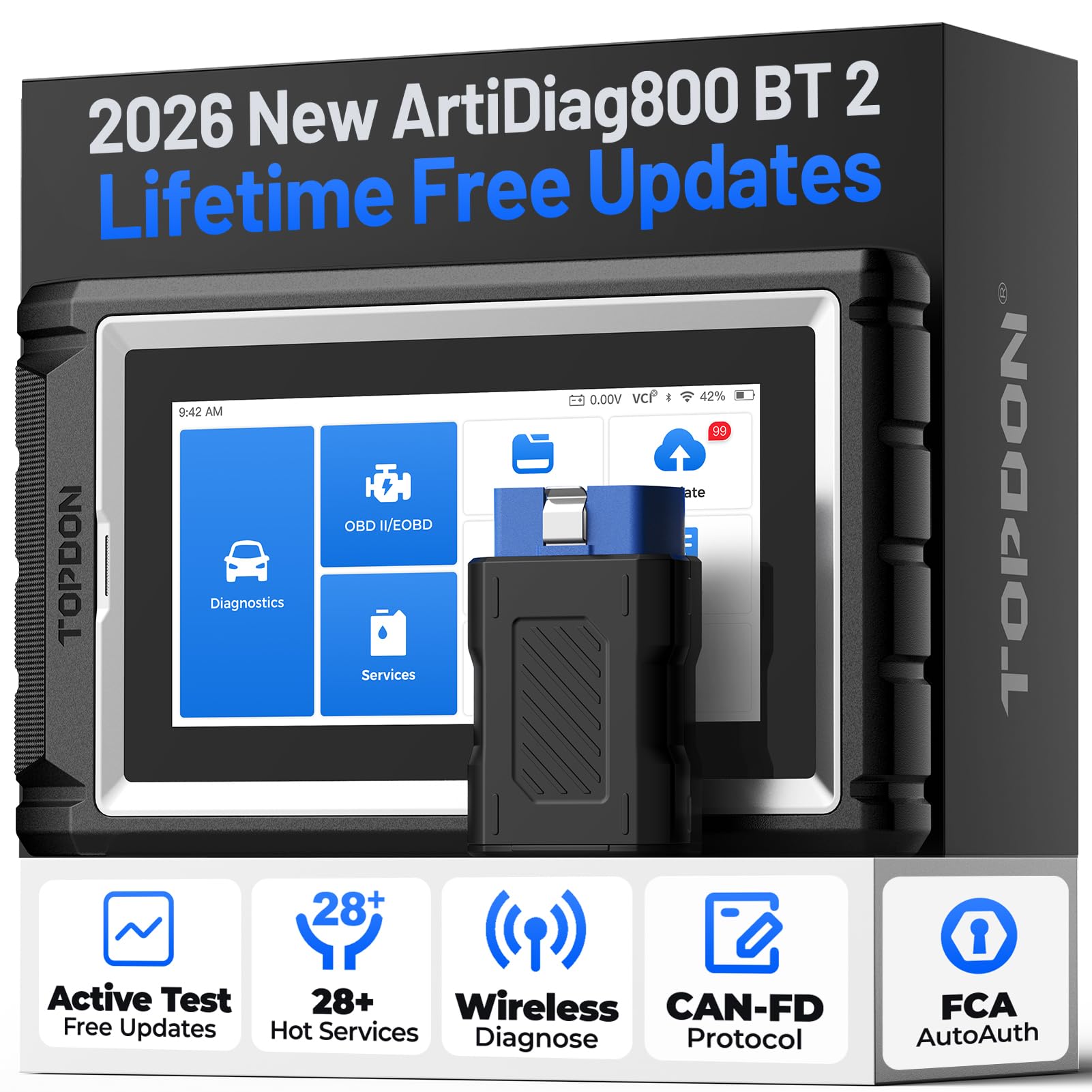
Free lifetime updates make this one of the lowest long-term-cost options for a scanner with real bidirectional control and a broad reset menu.
Pros
- Lifetime free software updates, no renewal fee ever
- 28 reset services including throttle-related resets
- Bluetooth range up to 33 feet for hands-free testing
Cons
- Bidirectional function newer to this model, less field-tested than rivals
- FCA gateway access requires separate authorization
- Coverage capped at 96 vehicle brands
TOPDON’s move to lifetime updates on the AD800BT 2 changes the math versus scanners charging annual renewal fees. The bidirectional layer added in this version lets the tool send direct ECU commands for tests like window and mirror actuation, useful groundwork for the same active-test approach a throttle relearn depends on.
AutoVIN speeds up vehicle identification, though it doesn’t work universally. Reviewers note the pop-up guidance through reset procedures makes this approachable for a first-time bidirectional scanner buyer.
XTOOL A30M V2.0

This is the value pick for anyone who wants confirmed throttle body relearn and bidirectional active tests without paying premium-tool prices.
Pros
- Throttle Body Relearn listed explicitly among 26 resets
- Lifetime free updates with no subscription
- 8 live data streams with real-time graphing
Cons
- Relies on phone/tablet pairing via Bluetooth rather than standalone screen
- FCA AutoAuth account purchased separately
- Function availability varies by vehicle, worth checking first
The A30M punches above its price by including a genuine throttle relearn procedure alongside crank sensor relearn and injector coding, functions usually reserved for pricier tools. Bidirectional control extends to fuel pumps, A/C clutches, and window motors, giving a home mechanic real diagnostic reach.
Running everything through a paired phone or iPad keeps the hardware compact and the price down, though it means no dedicated screen for shop use. Owners consistently mention the lifetime update policy as the standout value here.
TOPDON AD600S

The AD600S covers Throttle/ETS relearn as one of nine core service functions, making it a solid everyday tool for engine, ABS, transmission, and SRS work.
Pros
- Throttle/ETS Relearn included in base 9 service functions
- Lifetime free updates via Wi-Fi
- Responsive 5-inch touchscreen with AutoVIN
Cons
- 30-day trial unlocks 30 extra services, then reverts to base 9
- No standalone bidirectional active-test suite like pricier rivals
- Battery needs weekly charging even in storage
Four-system diagnostics plus a focused reset list keeps this scanner from feeling bloated with features you’ll never use. The throttle relearn function pairs with ABS bleeding and injector coding, covering most of what a DIYer tackles after routine maintenance.
The temporary 30-day trial of extra special services is a nice bonus for testing capability, but budget around the core 9 functions for long-term planning. Reviewers rate the touchscreen responsiveness well above scanners in this price range.
LAUNCH CRP123I V3.0 Elite
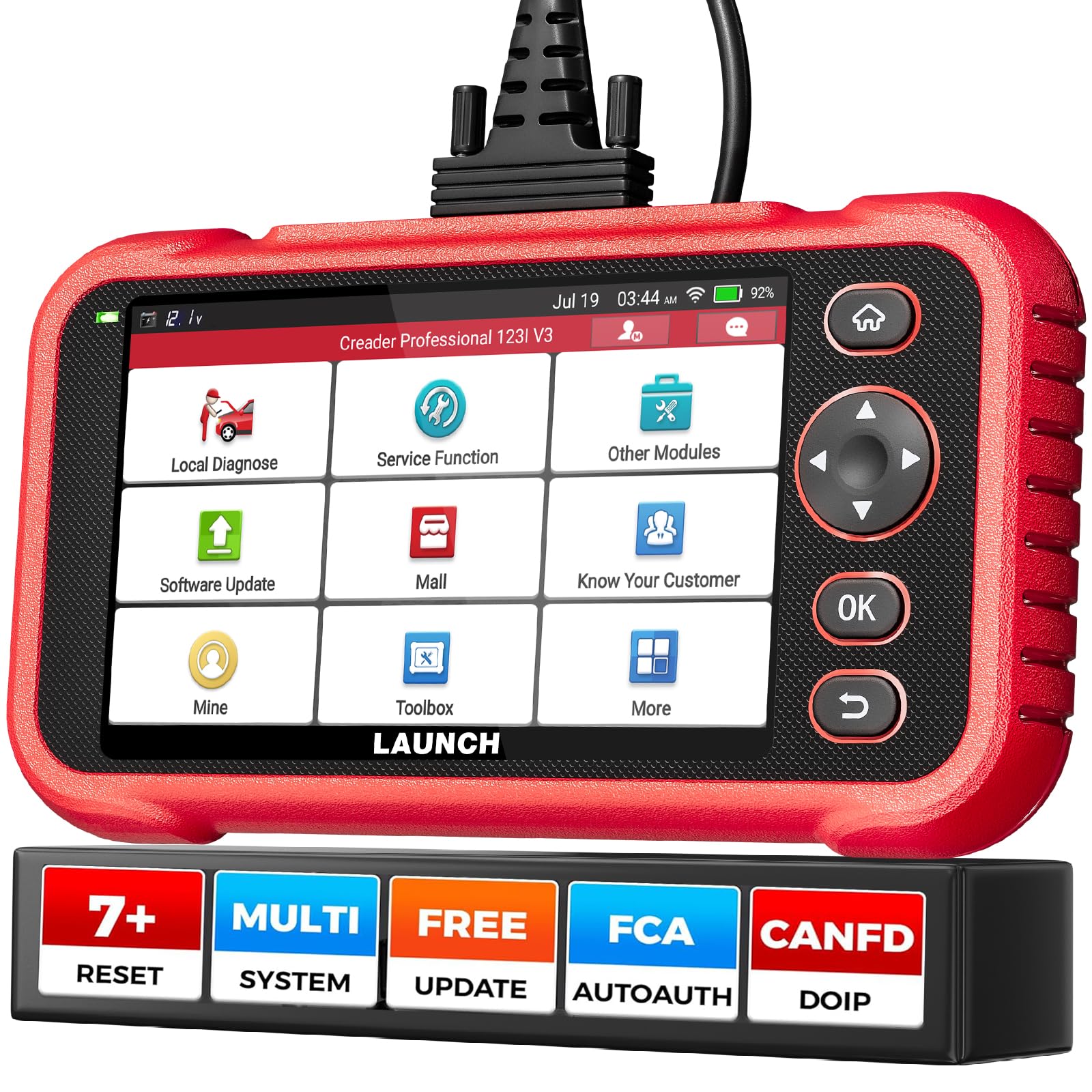
Throttle Adaptation is one of seven newly added reset functions here, giving this compact scanner real relearn capability alongside a battery voltage graphing tool.
Pros
- Throttle Adaptation listed among 7 reset functions
- CAN-FD and DoIP protocol support
- Lifetime free updates, no subscription fee
Cons
- FCA SGW access requires extra adapter/authorization
- 5-inch screen smaller than premium tools
- Some functions need optional battery/TPMS accessories
CRP123I V3.0 packs a surprising amount of relearn coverage for its size: throttle adaptation, SAS reset, and ABS bleeding all sit in the same menu. Real-time battery voltage graphing is a useful add during a relearn, since low voltage can cause the procedure to fail partway through.
Coverage spans thousands of models across 100+ brands, though as with any midrange scanner, checking your VIN against LAUNCH’s compatibility list before buying is worth the five minutes it takes.
TOPDON AD500
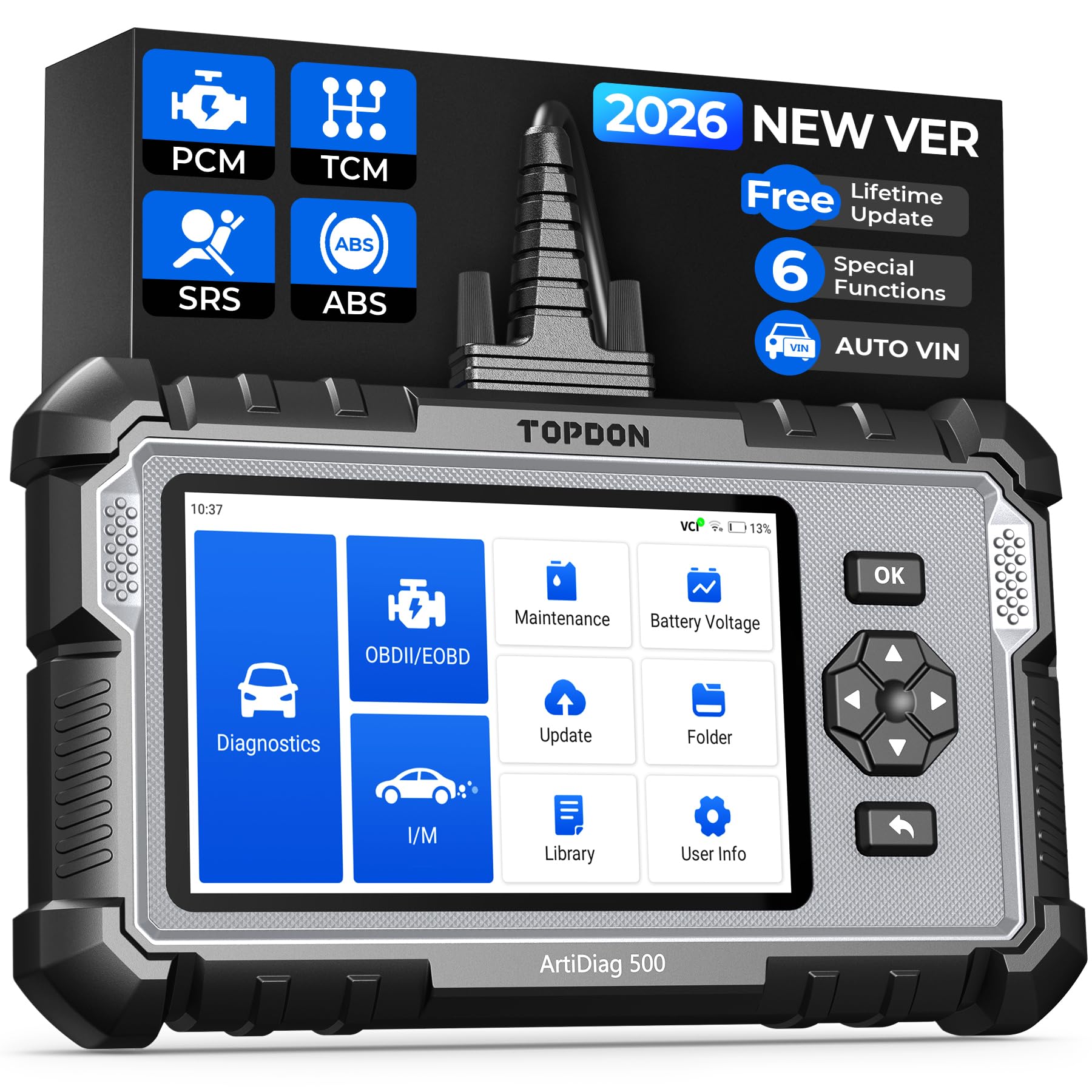
Throttle Adaptation is included among six reset functions on the AD500, positioning it as an entry point into relearn-capable scanning without bidirectional pricing.
Pros
- Throttle Adaptation confirmed among 6 reset functions
- CAN-FD protocol support for 2020+ GM and Chrysler
- Real-time battery voltage monitoring
Cons
- No bidirectional active-test suite
- Setup requires Wi-Fi and account creation, a friction point for some users
- 5-inch screen with 32GB storage, modest by 2026 standards
AD500 targets the DIYer who needs four-system diagnostics and basic relearn functions rather than full bidirectional control. Throttle adaptation runs alongside oil, SAS, TPMS, BMS, and EPB resets, covering the most common post-repair procedures.
Setup friction shows up in a few reviews mentioning a slow first-time login and vehicle recognition process. Once past that, the tool performs reliably for routine maintenance resets, according to owners working on Ford, Buick, and other mainstream brands.
LAUNCH CRP123 V3.0 Elite

Throttle Adaptation joins Oil Reset and SAS Reset as the three newly added functions on this budget four-system scanner, a reasonable entry point for owners who need occasional relearn access.
Pros
- Throttle Adaptation now included free
- Reads Engine, ABS, SRS, and Transmission codes
- Lifetime free updates via Wi-Fi or PC
Cons
- Only 3 reset functions total, limited scope
- Small 3.5-inch screen and dated software interface, per owner feedback
- PC-based update process frustrates some first-time buyers
This is a stripped-down alternative to LAUNCH’s own CRP123I, trading the 7-reset menu and CAN-FD support for a lower price and simpler four-system scan. Throttle Adaptation still runs as a real guided procedure, not just a code clear.
Owners report mixed experiences with the update software, describing it as functional but dated-looking. For a buyer who mainly wants throttle relearn plus basic code reading and doesn’t need bidirectional testing, it covers that need at a lower cost than the Elite-tier alternatives above.
ANCEL AD310

This scanner reads and clears emissions-related codes only and includes no throttle relearn function, making it a reference point for what a basic code reader can’t do.
Pros
- Extremely simple to operate, no setup or account needed
- Draws power from OBD2 port, no charging required
- Broad protocol support across older and newer OBD2 vehicles
Cons
- No throttle relearn, reset menu, or bidirectional control at all
- No live bidirectional testing of any component
- Limited to emissions-system codes only
The AD310 belongs in this roundup as a contrast point rather than a relearn contender. It reads codes fast and clears them just as quickly, useful for diagnosing a check-engine light, but it has no reset menu and can’t run the guided procedure a throttle relearn requires.
Anyone shopping specifically for throttle relearn should treat this as the baseline to skip, not the target. It’s worth owning as a glovebox backup for quick code checks, paired with one of the reset-capable scanners above for actual service work.
Buying Guide
What “Throttle Relearn” Actually Requires
A throttle relearn resets the ECU’s memory of the throttle plate’s closed and idle positions. Most procedures need the engine off, key on, and a stable connection while the scanner sends a command and waits for the ECU to confirm. Look for a scanner that names the function explicitly, “Throttle Relearn,” “Throttle Adaptation,” or “ETS Relearn,” rather than one that only lists a generic “reset” category.
Bidirectional Control vs. Basic Code Reading
| Feature | Basic Code Reader | Bidirectional Scanner |
|---|---|---|
| Reads/clears codes | Yes | Yes |
| Runs guided throttle relearn | Rarely | Yes, when listed |
| Sends live commands to actuators | No | Yes |
| Useful for post-repair verification | Limited | Strong |
A code reader tells you what went wrong. A bidirectional tool lets you command the throttle body, watch the response, and confirm the relearn actually completed, which matters more than the reset label itself.
Vehicle Coverage and Protocol Support
Newer vehicles increasingly run CAN-FD and DoIP communication protocols, especially GM models from 2019 onward and European brands with secure gateways. A scanner without these protocols may fail to even connect on a newer vehicle, regardless of how many reset functions it advertises. FCA AutoAuth is a separate consideration entirely: Chrysler, Dodge, Jeep, and Fiat vehicles from 2018 onward lock diagnostic access behind a secure gateway that requires a paid authorization account, often billed separately from the scanner itself.
Update Policies and Long-Term Cost
Software updates keep vehicle coverage current as automakers release new models. Some brands offer lifetime free updates; others charge an annual renewal fee once the included period ends. Factor that ongoing cost into the purchase price, especially for a tool you expect to use for years.
Screen, Connectivity, and Build
- Bluetooth/Wi-Fi range: wireless models let you sit in the driver’s seat while testing components under the hood.
- Screen size: 5 inches or larger makes live data graphs easier to read during a relearn procedure.
- Battery life: a scanner that dies mid-procedure can corrupt a relearn attempt, so check reported battery capacity.
Editor’s Choice
The Autel MaxiCOM MK900BT stands out as the strongest overall pick for anyone serious about throttle relearn and broader bidirectional diagnostics. It runs a confirmed relearn procedure alongside thousands of other active tests, supports the newer CAN-FD and DoIP protocols that keep it useful as vehicles evolve, and backs it all with a fast, well-built 8-inch tablet.
For a lower price with nearly the same real-world capability, the XTOOL D7 is the pick. Its throttle body relearn and crank sensor relearn functions are field-tested, the three-year update window beats most competitors, and the battery voltage check before diagnostics is a smart safeguard the pricier Autel doesn’t emphasize as clearly.
Buyers who want relearn access without the bidirectional price tag should look at the XTOOL A30M V2.0 or TOPDON AD600S, both of which name throttle-related functions explicitly and back them with lifetime or long-term free updates.
Conclusion
Throttle relearn separates a scanner that merely reads codes from one that actually helps finish a repair. The tools above range from full bidirectional platforms capable of thousands of active tests down to simple code readers that skip relearn functions entirely, and matching that range to your actual repair habits saves both money and frustration.
A DIYer who cleans a throttle body once a year doesn’t need the same tool as a mobile mechanic running relearns weekly across a dozen makes. Check your vehicle’s model year against CAN-FD and DoIP requirements before buying, confirm the specific relearn function is listed by name rather than implied, and budget for update renewal costs where they apply. Getting those three details right up front avoids the common mistake of buying a scanner that reads a code fine but stalls out the moment an actual relearn procedure starts.
FAQS
Does every OBD2 scanner support throttle relearn? No. Basic code readers like the ANCEL AD310 only read and clear emissions codes and include no reset or relearn menu. Confirmed throttle relearn requires a scanner that lists the function by name, such as Throttle Adaptation, Throttle Body Relearn, or ETS Relearn.
What’s the difference between throttle relearn and throttle adaptation? They describe the same underlying procedure in most manufacturer terminology: resetting the ECU’s stored throttle plate position data. Scanner brands use different labels, so check the feature list for either term rather than assuming one brand’s naming convention.
Do I need a bidirectional scanner to perform a throttle relearn? Many relearn procedures need bidirectional communication so the scanner can send a command and read the ECU’s confirmation response. A scanner that only reads and clears codes typically cannot run this two-way procedure.
Will these scanners work on any car? Coverage varies by brand, model year, and system. Sending your VIN to the manufacturer’s support contact before buying, or checking a published compatibility tool, confirms whether your specific vehicle supports the relearn function you need.
Are annual software updates required to keep throttle relearn working? Some brands offer lifetime free updates, while others charge a renewal fee after an included period ends. Functions already unlocked usually keep working after the free period, but new vehicle coverage and bug fixes typically require staying current.
Is FCA AutoAuth included with these scanners? No. FCA AutoAuth is a separate paid authorization required for 2018 and newer Chrysler, Dodge, Jeep, and Fiat vehicles with a secure gateway module. Scanners that support FCA AutoAuth access still require buyers to register and pay through the official FCA AutoAuth website.
