
10 Best Bluetooth OBD2 Scanner for Beginners: Top Affordable Picks, Easy Setup, and App Recommendations

OBD2 scanners let people read a car’s engine codes, monitor live data, and sometimes clear warning lights without a trip to the shop. Bluetooth OBD2 adapters pair with phones or tablets so users can see diagnostic information in real time, run simple tests, and get basic repair guidance using apps. They work on most cars built after 1996 and turn a smartphone into a handy diagnostic tool for troubleshooting and maintenance.
Beginners want a scanner that is simple to use, reliable, and compatible with their vehicle and phone. Key things to watch for are app compatibility (iOS or Android), supported diagnostic functions (read/clear codes, live data, freeze frame), and whether the device uses a secure Bluetooth connection to prevent pairing issues. A good beginner Bluetooth OBD2 scanner is one that pairs easily, shows clear diagnostic codes, and works with a widely supported app so users can diagnose common problems without confusion. The next sections test and compare popular models to find the scanners that best balance ease of use, features, and value.
Best Bluetooth OBD2 Scanners for Beginners
Below is a clear list of the best Bluetooth OBD2 scanners for beginners. It focuses on easy setup, app compatibility, and useful features that help new users read codes and monitor basic car data.
BlueDriver Pro Next-Gen
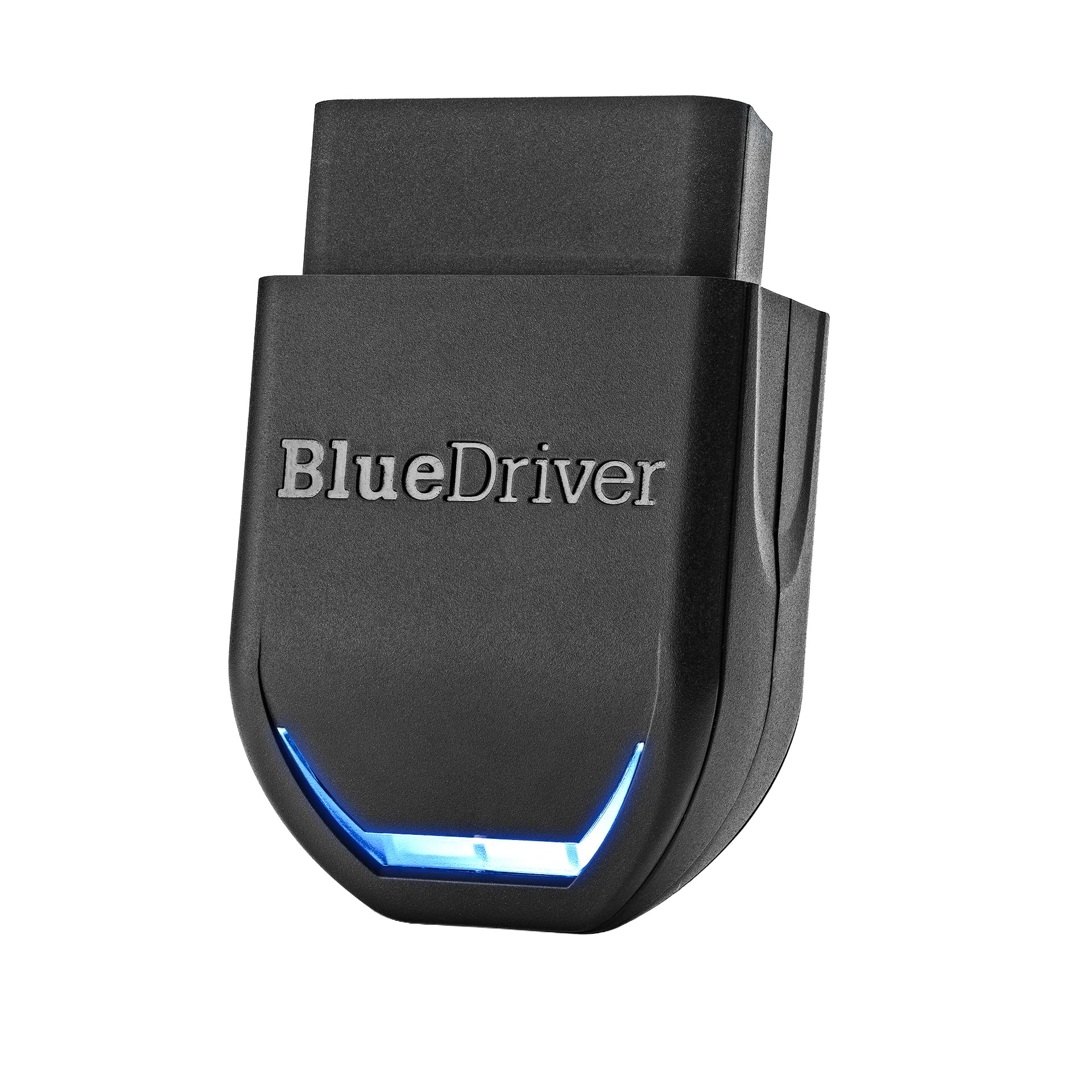
It’s worth buying for beginners who want deep diagnostics without a subscription because it’s simple to use and gives clear repair reports.
Pros
- Easy Bluetooth setup and steady connection.
- Technician-verified repair reports tied to the VIN.
- Reads more systems than basic code readers.
Cons
- Some advanced features vary by vehicle make and year.
- Needs a phone or tablet to view data.
- Left plugged in, it can block tight dash spaces on some cars.
They plugged the BlueDriver into the truck and opened the app; pairing took a minute and then data streamed smoothly. It picked up a check engine code and showed a clear, step-by-step repair report that felt trustworthy. Live gauges updated quickly while revving the engine.
The app’s VIN-matched fixes saved time compared with guessing what the codes meant. It pulled ABS and SRS info on a few test vehicles that basic readers missed. Running smog readiness checks was fast, and the freeze-frame data helped confirm when a fault happened.
Support helped once with an iPhone pairing hiccup and responded quickly through the app. Using it daily, they kept it plugged in so it was ready whenever a warning light appeared. For a beginner who wants pro-level insight without ongoing fees, this tool proves practical and reliable.
OBDLink MX+

It’s worth buying for beginners who want a fast, reliable Bluetooth scanner that works with many apps and cars.
Pros
- Fast, stable connection with phones and tablets
- Works with lots of apps (FORScan, Torque, BimmerCode, etc.)
- Clears codes and shows extra live data beyond basic scanners
Cons
- Manufacturer app can feel basic compared to third-party apps
- A few advanced features need paid add-ons in some apps
- Slight learning curve for full-featured use
They plugged it into a test car and it paired instantly with an Android phone. The live data updated quickly and the check-engine codes cleared without fuss. It stayed connected during longer sessions with an app for coding.
They ran it with FORScan on a Ford and saw modules show up that cheaper dongles missed. Coding and live-parameter checks felt like what a shop would do, only using a phone. Battery protection eased worries about leaving it in the car.
They tried the included app and then switched to Torque and BimmerCode for deeper work. Third-party apps unlocked more features, so beginners might want to try a few to find the best fit. Overall, it felt solid, fast, and built for hobbyists who want to grow into more advanced diagnostics.
Veepeak OBDCheck BLE

It is a solid choice for beginners who want a simple Bluetooth OBD2 reader to check engine codes and view live data.
Pros
- Easy Bluetooth LE pairing through apps; works smoothly with Car Scanner.
- Small, portable, and comes with a soft case for storage.
- Reads and clears generic engine codes and shows live sensor data.
Cons
- Does not support ABS/SRS or many advanced manufacturer-specific functions.
- Requires the right third-party app and some apps charge extra.
- Some newer vehicles or head units may not be supported.
They plugged the Veepeak into a few 1996+ cars and a hybrid and got quick code reads and live data on the phone. The Car Scanner app paired without fuss when they set the connection to Bluetooth LE inside the app.
They liked how small and light the dongle is. It fit the OBD port easily and stored in its case. Watching RPM, coolant temp, and sensor outputs on the phone felt useful for tracking simple issues.
They ran into limits when they wanted ABS or service reset functions. The Veepeak did not provide those advanced features, and some manufacturer-specific screens were missing unless a special app supported them.
They recommend this for someone who mainly wants to read/clear check engine lights and monitor basic sensors. It saves a trip to the shop for common faults, but it is not a full dealer-level tool.
Veepeak OBDCheck BLE+

It is a solid pick for beginners who want a cheap, reliable Bluetooth OBD2 adapter for basic checks and live data.
Pros
- Easy plug-and-play use with common apps.
- Works well for reading and clearing check engine codes.
- Small, solid build that stays connected.
Cons
- Needs a third-party app for most features.
- Advanced car systems and special resets are not supported.
- Some apps or features may cost extra.
The first time they plug it in, the LED comes on and apps like Car Scanner find it quickly. It read codes and showed live sensor data on an Android phone with no fuss. Clearing a check engine light took seconds and felt like a real DIY win.
They noticed limits when trying deeper functions. ABS, SRS, and coding features did not appear in the apps tried, and some vehicle-specific data was missing. For a beginner who only wants CEL reads, live PIDs, and readiness checks, it did the job reliably.
Connection on iPhone used Bluetooth LE and needed no manual pairing, which made setup faster. On some Android head units it did not work, so users should test their setup or stick to phone apps. Overall, it saves time and shop trips for basic diagnostics.
UMEIJA V011 OBD2 Scanner
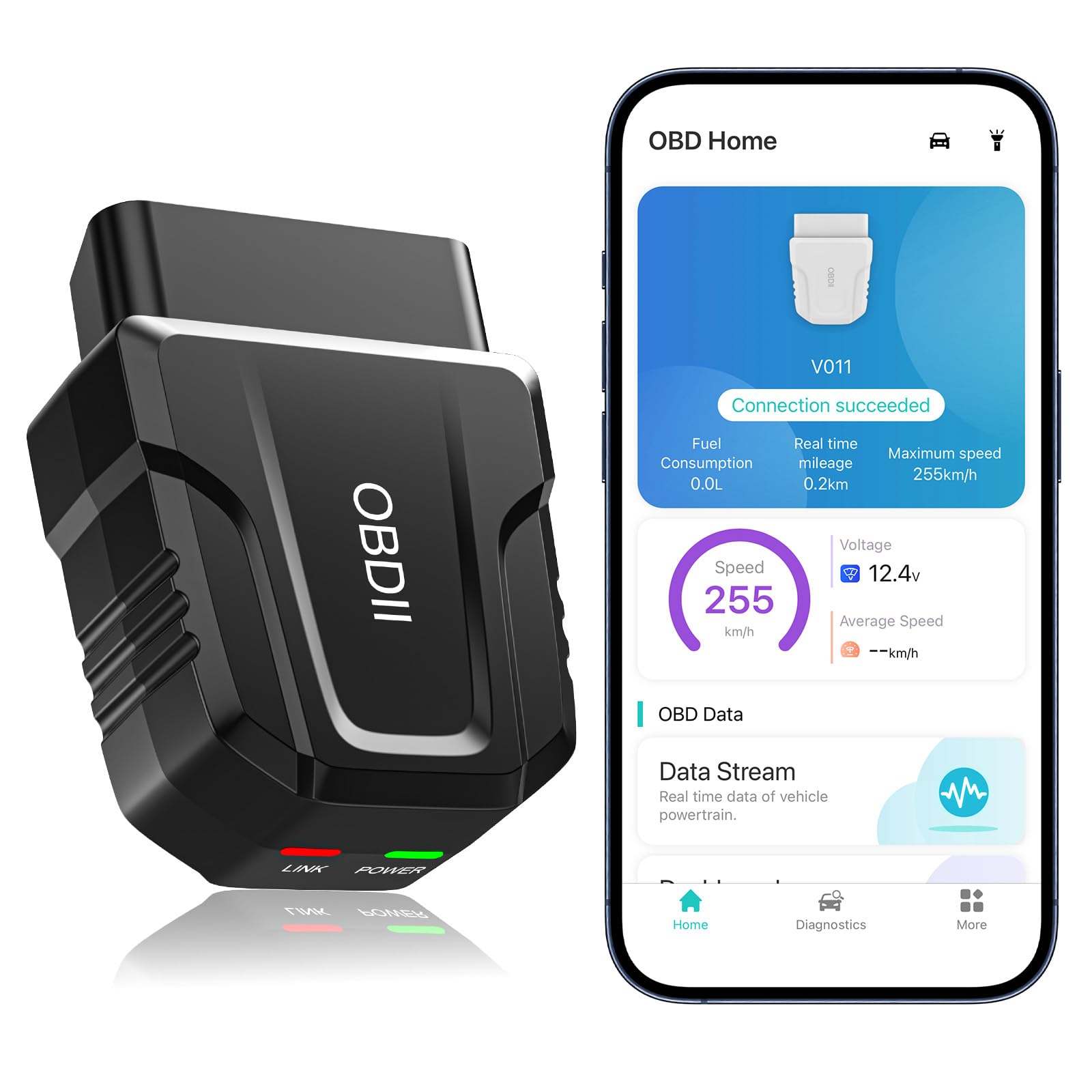
It’s a solid buy for beginners who want fast code reads, live data, and easy app setup without spending much.
Pros
- Fast Bluetooth pairing and smooth app connection.
- Clear live data charts that help spot issues quickly.
- Covers most cars and gives helpful code explanations.
Cons
- App is tied to a specific app and can be picky on settings.
- Clearing codes won’t fix problems — it only hides them until repaired.
- Short warranty and limited formal support.
He plugged it into a 2016 Honda CRV and had results in under a minute. The V011 paired fast and the app showed RPM, coolant temp, and trouble codes in clear charts. That made it simple to compare readings to normal values.
She liked the guided code descriptions and suggested fixes. The app stored past scans, which helped track intermittent issues. It felt like using a scanner that usually costs much more.
They noticed one annoyance: the phone’s Bluetooth settings needed correct handling for some phones, and Apple users must let the app auto-connect. Also, clearing a code without fixing the issue only turns the light off temporarily, as the product warns.
He found the device handy for used-car checks and basic troubleshooting before a shop visit. It saved time and likely avoided an unnecessary mechanic trip. For a beginner who wants practical, quick results, this unit works well.
ANCEL AD310

The ANCEL AD310 is a great buy for beginners who want a simple, rugged code reader to find and clear emission-related check engine codes.
Pros
- Easy to use right out of the box
- Solid build and long, thick cable
- Fast reads and clear on-screen results
Cons
- Only reads emission-related OBD2 codes
- No Bluetooth or phone app support
- Not useful on OBD1 or non-OBD2 systems
They made this tool feel like a real garage device. Plugging it into the OBD2 port powered it instantly and the screen showed codes in seconds. The buttons were large and labeled, so navigating menus felt straightforward even without a manual.
The cable felt durable and long enough to work around the dashboard. It hung securely and survived being moved around the engine bay. The unit’s weight and shape made it easy to hold while scrolling through live data.
Reading and clearing codes took just moments after a repair. Live data and freeze frame were useful for confirming fixes. It did not support ABS, SRS, or other systems, so it served mostly as a basic engine/emission scanner rather than a full shop tool.
TopScan Lite (TOPDON)

It is a solid buy for beginners who want shop-level tests and easy live data, but budget for the paid features after the first year.
Pros
- Runs deep system scans and shows clear repair steps.
- Easy Bluetooth pairing and quick live data views.
- Bi-directional tests let users command parts to check responses.
Cons
- Advanced tools and some resets require a paid subscription after year one.
- A few vehicle models may not support every function.
- App layout can feel confusing the first few uses.
They plugged the little dongle into the OBD port and paired it within a minute. The app pulled up codes and live data fast, and the readouts made sense without needing a manual.
It sent commands to the ECU to test things like fans and injectors, and the scanner clearly showed which parts didn’t respond. That saved time compared with guessing and taking panels off.
The one-year advanced access is generous, but they noticed some functions locked behind a subscription afterward. For someone who plans regular DIY work, the fee adds up; for occasional checks it still feels worth it.
If using newer or less common models, he found some features behaved differently or required extra steps. Still, the built-in repair guides and AI tips helped translate codes into useful next steps.
Overall, it handled routine checks, resets, and basic bi-directional jobs like a much costlier tool, while staying small and easy to carry.
Vgate iCar Pro BLE 4.0

It’s a solid, easy-to-use Bluetooth OBD2 adapter for beginners who want reliable basic diagnostics without fuss.
Pros
- Easy plug-and-play use with phones.
- Low power draw so it won’t drain the car battery quickly.
- Works with many popular apps like Torque and Car Scanner.
Cons
- Doesn’t support advanced modules like ABS or SRS.
- Some Android pairing steps are required.
- Auto-wake may fail on hybrids and EVs.
The Vgate felt small and unobtrusive when plugged into the OBD2 port. It didn’t block my footwell and the LED feedback made it clear when it was connected to the phone and streaming data.
They made setup straightforward on iPhone — no manual Bluetooth pairing. With Android, pairing to “Android-Vlink” using PIN 1234 took a moment, but then apps picked up live data smoothly. Reading and clearing basic check-engine codes worked every time in testing.
Real-world use showed stable connections during short trips and while monitoring live sensors. It handled real-time data like coolant temp and fuel trims well. Users should know it won’t replace dealer-level tools for ABS, SRS, or advanced programming, but for everyday scans and app-based tweaks it does the job.
BLCKTEC 430

The BLCKTEC 430 is a solid choice for beginners who want a simple, no-subscription Bluetooth OBD2 scanner with deeper diagnostics than basic code readers.
Pros
- Easy wireless setup through the app, no cables or batteries needed
- Includes ABS, SRS, and TPMS info that many basic readers skip
- One-time purchase with no subscription fees
Cons
- App pairing must be done inside RepairSolutions2, not Bluetooth settings
- Some advanced functions vary by vehicle make and year
- Only supported in the USA and Canada
They plugged the BLCKTEC 430 into the OBD2 port and it lit up instantly. Pairing took a minute because the app guides the process rather than phone Bluetooth settings, but once connected it gave clear code readouts and descriptions.
The repair reports felt practical and easy to follow. The app showed likely causes and repair steps that helped decide whether to DIY or go to a shop.
It worked well on multiple cars in their garage, catching ABS and airbag codes that cheaper readers missed. A few older or unusual models did not show every advanced function, so checking compatibility first saved time.
Customer support felt local and knowledgeable, and the lack of subscription makes it simple to own long term. The device is compact, and using it became part of routine checks before longer trips.
CarPal (TOPDON) Bluetooth OBD2 Scanner

CarPal is a solid pick for beginners who want easy all-system scans, helpful repair guidance, and a stable Bluetooth link without paying for a pro-level tool.
Pros
- Simple app-guided scans and clear repair tips.
- Handy maintenance resets like oil and TPMS in one device.
- Stable Bluetooth connection and compact, pocketable design.
Cons
- Some advanced vehicle models may not get full function.
- A few special features require a paid subscription after one year.
- AutoVIN can misidentify newer models at times.
They plugged CarPal into a few cars and found it quick to set up. The app walked through VIN detection and scans, and the live data graphs made it easy to see engine numbers in real time.
The device handled basic DTC reads and clears with one tap. It also returned useful repair notes that helped decide whether a shop visit was needed or if a DIY fix could work.
CarPal’s maintenance tools like oil reset, EPB, and TPMS reset felt practical for routine care. The battery test and smog pre-check came in handy before an inspection.
In mixed use, the Bluetooth link stayed steady within a short range while the reviewer walked around the car. They noted occasional limits with certain newer Kia models where full functions were blocked.
Overall, CarPal gives beginners more confidence with car health checks and routine resets without needing a lot of tech skill, but advanced diagnostics on some newer cars may need a shop tool.
Buying Guide
When choosing a Bluetooth OBD2 scanner, buyers should check compatibility first. It must work with the vehicle’s OBD2 protocol and the buyer’s phone or tablet operating system.
Look for app support and ease of use. A simple app with clear menus and live data views helps beginners learn quickly. Read reviews about setup and reliability.
Consider features vs. needs. Basic code reading and clearing is enough for many users. Advanced live data, freeze frame, or enhanced manufacturer codes help if deeper diagnostics are planned.
Pay attention to connection type and range. Bluetooth Low Energy offers better battery use and stable links. Short dropouts frustrate users, so stable pairing matters.
Check update policy and support. Regular app updates fix bugs and add car coverage. Good user guides and support channels help when problems occur.
Consider build quality and size. A compact, well-made unit resists damage and fits easily into the OBD port. Avoid bulky devices that block access or snag in the footwell.
Evaluate price versus warranty. Low cost can be fine for basic use, but a product with a warranty and updates gives more long-term value. Buyers should balance budget with desired features.
Use a short checklist before buying:
- Confirm car and phone compatibility
- Verify app features match needs
- Check connection stability and range
- Look for update policy and warranty
- Read user feedback on real-world use
Editor’s Choice
The AUTEL MaxiLink ML619 stands out for beginners who want a simple, reliable Bluetooth OBD2 scanner. It pairs quickly with phones and tablets and shows clear codes and live data without extra setup.
It reads and clears check-engine lights for most cars made after 1996. The scanner also gives basic live sensor graphs and freeze-frame data, which help users spot issues fast.
The app interface is clean and easy to use. Step-by-step fault definitions and repair suggestions help someone who does not know much about engines.
Key features:
- Plug-and-play Bluetooth for fast connection.
- Wide vehicle coverage for OBD2-compliant cars.
- Live data and freeze frame for quick diagnosis.
- Built-in definitions to explain common codes.
Durability and battery-free operation make it low maintenance. It draws power from the car and fits snugly into the OBD2 port, so it stays secure while driving.
They get good value because it balances price with useful features. For a beginner, it reduces guesswork and gives clear, actionable information.
Conclusionv
They can pick a Bluetooth OBD2 scanner that fits their needs and budget. A simple, reliable model works well for basic checks and saving money.
Buyers should look for ease of use, wide app support, and good customer reviews. These features reduce frustration and make learning faster.
For those who want more control, a scanner with live-data and freeze-frame helps them understand problems better. It costs more but adds useful tools.
A basic checklist helps choose:
- Compatibility with the vehicle
- App quality and updates
- Clear error code lookup
They should keep safety in mind. Always stop driving if a serious fault appears and seek professional help when unsure.
A short trial with the chosen app and device can confirm it meets expectations. If it doesn’t, returning it early saves time and money.
FAQS
What is an OBD2 Bluetooth scanner?
An OBD2 Bluetooth scanner is a small device that plugs into a car’s diagnostic port. It sends vehicle data to a phone or tablet using Bluetooth so users can read codes and monitor systems.
Will it work with any car?
Most scanners work with cars made after 1996 in the U.S. Some vehicles may need specific protocols. Always check the scanner’s compatibility list before buying.
Do users need a special app?
Yes. Users must install a compatible app on their phone or tablet. Many scanners work with free apps, but paid apps can offer more features and clearer reports.
Can a beginner clear check engine lights?
Yes, many scanners let users read and clear codes. Clearing a code may hide a problem, though. It does not fix the underlying issue.
Is Bluetooth safe and reliable?
Bluetooth works well for most basic diagnostics. It can be less stable than wired connections in some cars. Keep the phone close to the scanner to improve connection.
How much should one expect to spend?
Basic, reliable Bluetooth scanners for beginners usually cost between $20 and $60. Higher-priced units may offer better apps, more data, or extra features.
What features matter most for beginners?
Look for ease of use, compatibility, a clear app interface, and basic live data and code reading. Simple setup and good customer support help new users.
