
10 Best OBD2 Scanner for Brake Bleed: Top Tools and Tips for Effective Brake System Bleeding

OBD2 scanners link to a car’s computer to read fault codes, live data, and special functions. For brake bleeding, some OBD2 tools can activate the ABS pump and valves, making the job faster and reducing the need for a second helper. Technicians and DIYers use these scanners to find problems, run service procedures, and confirm the brake system cycles correctly after bleeding.
Buyers should focus on compatibility with their vehicle, the scanner’s ability to run brake-bleed or ABS service routines, and clear live-data displays for monitoring brake pressure and wheel speed. A scanner that supports the specific ABS bleed procedure for a car’s make and model and shows live sensor data is the most useful feature when bleeding brakes. This article tested and compared scanners that do those tasks to help readers pick the right tool.
Best OBD2 Scanners for Brake Bleed
Below is a focused list of the best OBD2 scanners that can help with brake bleed procedures. The picks suit DIYers and mechanics who need reliable diagnostics and handy brake-bleed functions.
Foxwell NT630 Plus

It is a smart buy for DIYers who want ABS auto-bleed and basic ABS/SRS diagnostics without a subscription.
Pros
- Activates ABS pump and valves for auto bleed on supported cars.
- Simple menus and live data help find sensor or wiring issues.
- Wi‑Fi updates and no subscription keep ownership low-cost.
Cons
- Auto-bleed only works if the vehicle supports it.
- Not all makes/models get the same ABS active tests.
- No advanced coding, programming, or full module relearns.
They used the NT630 Plus on a recent brake job and found the ABS auto-bleed feature worked as advertised on a compatible Jeep. The unit ran the pump cycle, and the pedal came back firmer without repeated manual bleeding. Setup was plug-and-play and the screen walked them through the steps.
When troubleshooting an ABS light the scanner pulled wheel speed sensor data and live graphs that made the fault easier to spot. It caught stuck-valve behavior on one caliper and showed clear DTC definitions so the problem felt less mysterious. Menus are a bit clunky at first, but patience got them where they needed.
Firmware updates via Wi‑Fi were painless and no phone app was required, which kept things straightforward in the garage. They did check compatibility before buying because some cars simply won’t support ABS auto-bleed and then you must bleed by hand. Overall, it proved helpful for home mechanics who want to save shop time and expense.
TOPDON AD600S (AD600S)

It is worth buying for someone who wants a full-featured, easy-to-use scan tool that also handles ABS bleeding and multiple reset jobs.
Pros
- Bright responsive touchscreen makes navigation quick.
- ABS bleeding and nine reset services work well in my tests.
- Lifetime Wi‑Fi updates keep vehicle coverage current.
Cons
- Menus and functions vary by vehicle, so some cars won’t show every feature.
- Slight learning curve if the user is used to button-only scanners.
- Larger size and corded power can feel bulky in a small toolbox.
The AD600S felt solid out of the box and booted fast. It found the VIN automatically on the first vehicle and took me right into live data without extra steps. The 5″ screen stayed readable even under shop lights.
Using ABS bleeding was straightforward. The tool walked through the sequence and held the commands reliably. It saved time compared with using a manual pump and a second person.
The reset menus gave clear options for brake, oil, TPMS, SAS and other services. A few vehicles I tried did not expose every reset, but the common ones worked as expected. Updates over Wi‑Fi added newer car support during my trial.
Navigation and saved reports made sharing results easy. The touchscreen is nicer than cheap readers and the onboard help reduced guesswork. It is best for DIYers and small shops that want a capable, modern scanner without a PC tie‑in.
ANCEL AD310

It’s a smart buy for DIYers who want a simple, reliable code reader to check and clear engine codes quickly.
Pros
- Easy to use with clear screen and labeled buttons.
- Sturdy cable and compact body feel built for garage use.
- Fast reads and live data help verify fixes right away.
Cons
- Only reads emission-related OBDII codes, not full system diagnostics.
- No wireless features or phone app support.
- Won’t work on older OBDI cars even with adapters.
I plugged the AD310 into several cars and it woke up instantly from the OBDII port. The menu felt obvious and the large backlit screen made reading codes quick, even under the hood. Clearing codes after a simple repair took seconds.
The thick, flexible cable held up while I worked around tight engine bays. The unit felt solid in hand and small enough to toss in a toolbox. Live data scrolling gave immediate feedback when I tested sensors and idle changes.
It missed anything outside emission-related faults, so it won’t replace a shop-grade scanner for ABS, SRS, or transmission bleeding procedures. For basic code reading, confirming fixes, and saving a trip to the shop, it did the job reliably and at a low price.
Foxwell NT301

This is a solid buy for someone who needs a simple, reliable OBD2 reader to check and clear engine codes and watch live data.
Pros
- Easy to plug in and use right away.
- Clear live-data graphs make trends visible.
- Durable handheld build that feels solid.
Cons
- Does not support ABS bleeding or other brake-bleed functions.
- Lacks advanced system scans like SRS and EPB.
- Not compatible with some non-OBD2 vehicles (side-by-sides, older models).
They used the NT301 on a few family cars and found it fast at pulling engine codes and showing live sensor data. The screen is bright enough to read outside, and the menus are straightforward so it did not slow down routine checks.
They relied on the I/M readiness keys and the red-yellow-green LED before an emissions test, and it removed the guesswork. Clearing codes worked as expected after repairs, though any recurring code came back until the fault was fixed.
It did not help with bleeding brakes or resetting the electronic parking brake. For someone who needs ABS or brake-bleed support, this unit falls short. For basic OBD2 diagnostics and live data logging, it performs reliably and feels like a practical tool for DIYers and home mechanics.
Launch CRP123X V3.0 Elite
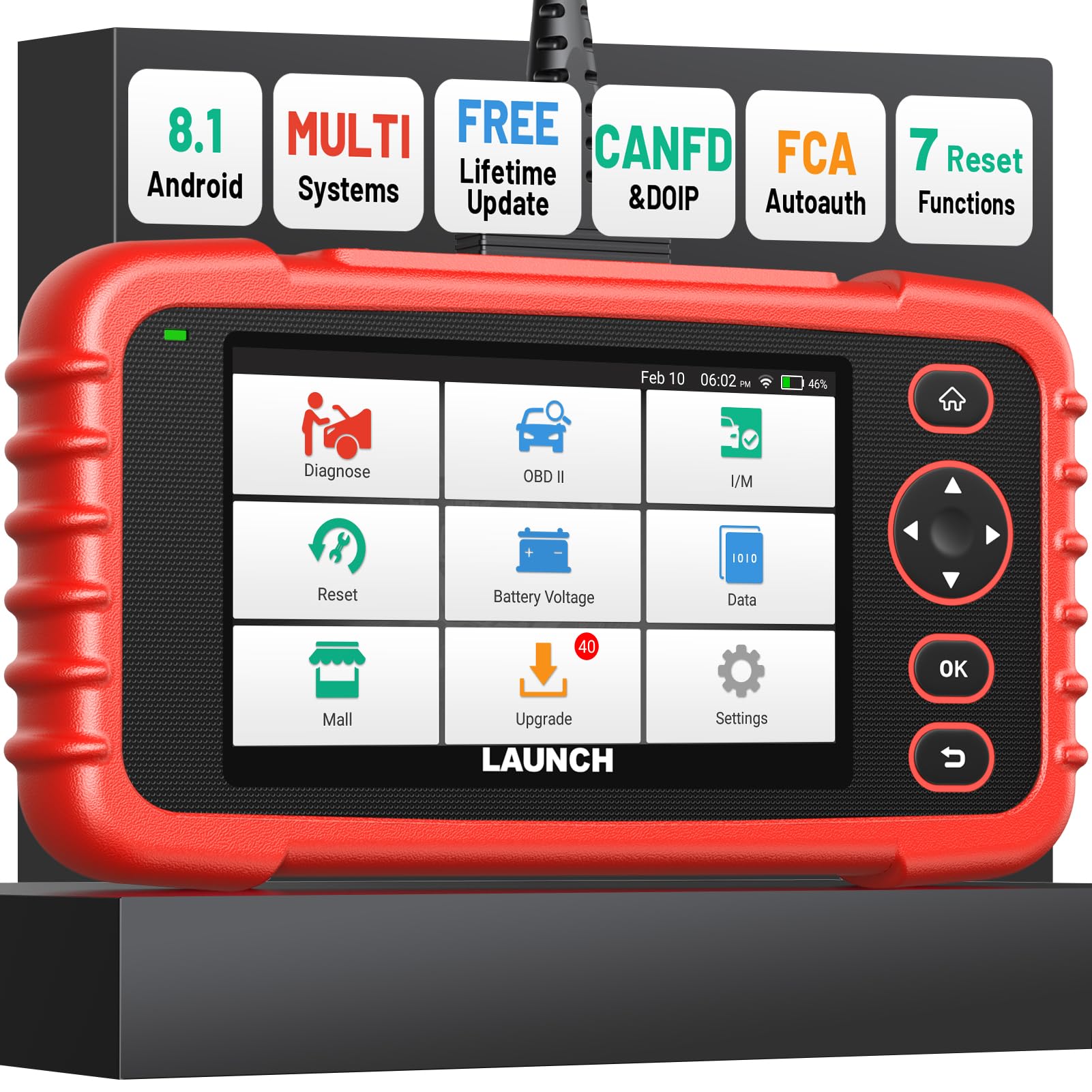
It is a strong buy for people who need an all-in-one scanner that actually helps with ABS brake bleed and many other service jobs because it diagnoses systems quickly and runs brake service functions.
Pros
- Fast, clear live data and easy VIN auto-recognition.
- Built-in ABS/brake service and multiple reset functions for DIY brake bleeding.
- Regular free Wi‑Fi updates and wide vehicle coverage.
Cons
- Some advanced protocols (CAN‑FD, DoIP) need extra cables.
- Occasional model-specific functions may require paid unlocks.
- Screen and menus feel a bit crowded for new users.
They used the unit on a 2000 Chevy Silverado and found the ABS bleed routine worked as expected. The scanner showed live pressure and ABS data while cycling the pump, which made it simpler to judge when air was out of the lines.
They appreciated the quick VIN read and one‑tap reports that saved time before starting the bleed. The 5‑inch touchscreen responds fast and the Android interface keeps things snappy, though menu labels sometimes require digging.
They noticed the device handled multiple systems at once — ABS, brakes, oil and more — so it cut down trips to the shop. Users should plan for possible extra cables for the newest vehicles and know some car brands might need paid authorizations for full features.
BlueDriver Pro
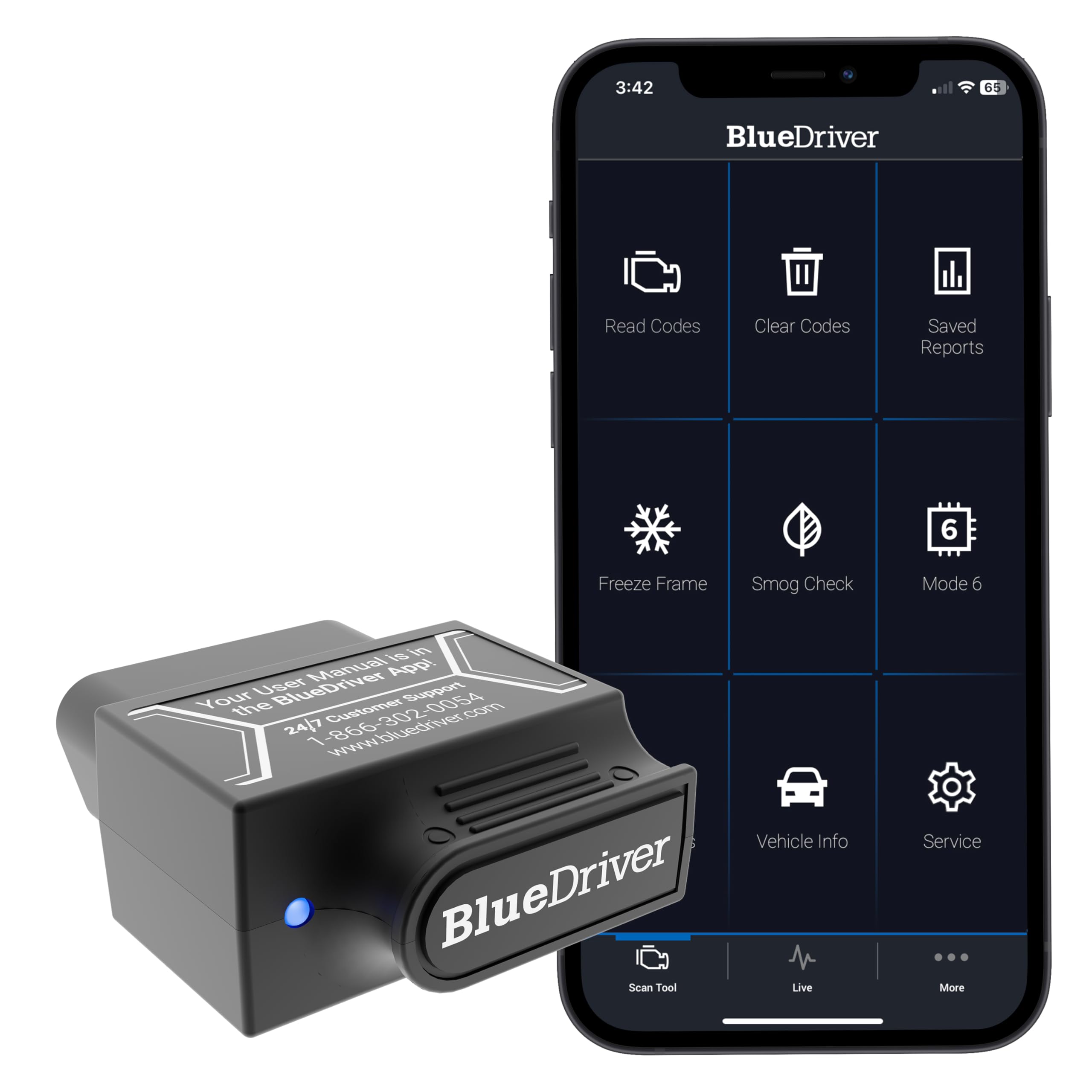
BlueDriver is worth buying for DIYers who want pro-level diagnostics and easy ABS/SRS code clearing without monthly fees.
Pros
- Deep diagnostics for ABS, SRS, TPMS and check engine codes
- Clear, user-friendly app with repair reports and live data
- No subscription fees and solid customer support
Cons
- Bluetooth can be picky with initial pairing on some phones
- Not every advanced feature works on all makes/models
- Needs a phone or tablet nearby to use
They plugged the BlueDriver into the OBD2 port and launched the app. It paired with a recent phone and showed live sensor data in seconds, which made bleeding brakes with ABS resets much easier.
When they used it to clear ABS and SRS codes after a brake bleed, the app gave likely causes and repair steps. That guidance saved time and stopped guesswork during follow-up scans.
On older or less common models it still read basic codes, but one vehicle didn’t show every enhanced module. Support helped with pairing and answered questions quickly when needed.
For someone who bleeds brakes at home and wants to reset ABS and monitor live brake pressure and sensors, BlueDriver feels like a small pro tool that stays in the glove box ready to help.
FOXWELL NT614 Elite

It is a good buy for DIYers who want an affordable tool that does ABS bleeding and several shop-level resets at home.
Pros
- Performs ABS bleeding and common resets without a shop visit.
- Fast auto-VIN and quick scans get to results in about 15 seconds on supported cars.
- Clear live data graphs and built-in code definitions make diagnostics easier.
Cons
- ABS bleed support is not available on every vehicle model.
- Occasional firmware update or sensor display issues reported by some users.
- Heavier, bulkier unit compared with simple handheld readers.
The reviewer plugged it into multiple family cars and found the NT614 Elite felt solid in the hand and easy to navigate. The auto-VIN worked on most vehicles and it moved from connection to live data quickly.
Using the ABS bleeding function after a pad and caliper swap restored pedal firmness on one test car. The tool guided the bleed process step-by-step, which saved time and a trip to the shop.
Live data screens proved useful for spotting a bad ABS wheel sensor that a quick code read alone did not show. A few cars needed manual VIN entry, and one unit had trouble with a firmware update, so expect occasional hiccups.
Overall, it gave shop-level functions at a price a DIYer can justify after one or two repairs, but buyers should confirm vehicle compatibility for ABS bleed before purchase.
BLCKTEC 460T

This tool is worth buying for DIYers who need ABS bleeding and dealer-level service functions at home because it works fast and handles many reset jobs.
Pros
- Fast AutoVIN and quick ECU scans save time.
- ABS bleeding and 12+ service resets really do the job.
- Live data graphing helps spot problems without guesswork.
Cons
- Some advanced functions depend on the vehicle and may not work.
- App and features only supported in the USA and Canada.
- A few users report needing extra help for certain makes.
They connected the 460T and found it recognized the VIN instantly and scanned all modules in seconds. The screen was clear and the menus stayed responsive while watching live ABS data during a bleed.
The ABS bleeding routine worked on a recent brake job. It cycled the pump and valves as expected and let them monitor pressure and wheel-speed data. The process felt much closer to dealer tools than older handheld scanners.
They liked the RepairSolutions2 pairing for repair steps and saved scans to the cloud. Updates were easy and free, which kept the tool current without extra costs.
Compatibility checks mattered during use. On one truck, a specific reset wasn’t available, so they verified support on BLCKTEC’s site beforehand and called support for clarification.
Overall, the 460T made brake bleeding and service resets quicker and less stressful for someone working at home, as long as the buyer confirms the needed features work for their vehicle.
FOXWELL NT604 Elite

It is a solid mid-price scanner for DIYers who need reliable ABS/SRS/transmission codes and live data but not advanced service functions like ABS bleeding.
Pros
- Clear live data and quick AUTOVIN lookup.
- Feels durable and comes in a hard protective case.
- Easy to use right out of the box with no extra software needed.
Cons
- Does not perform service or reset tasks such as ABS bleeding.
- AUTOVIN can fail on older or rare vehicles.
- Lacks bi-directional controls for active component testing.
They plugged the NT604 into several cars and found it gave fast, readable fault codes for ABS, SRS, engine, and transmission. The live data stream let them watch sensors change while someone pumped the brake pedal.
The device felt solid in hand and the rugged case kept the tool safe in the shop. Updates were straightforward when connected to the internet, so the unit stayed current without fuss.
When used on an ABS light, it pointed to the right module fault but could not run bleed routines. For someone who needs to actually perform brake bleeding, the NT604 will diagnose the issue but a separate brake-bleeding tool or manual procedure still proves necessary.
They recommend this scanner to owners who want clear diagnostics and live data at a fair price, but advise buyers to check vehicle compatibility first if they own an older or uncommon model.
Buying Guide
When choosing an OBD2 scanner for brake bleed, the buyer should focus on compatibility first. It must work with the vehicle’s make, model, and year to access the brake system and ABS modules.
Look for scanners that support ABS and brake bleeding functions. These features let the scanner activate the ABS pump and valves to move fluid without manual pumping. Confirm the scanner lists brake bleed or actuator control in its feature list.
Consider ease of use and interface. A clear display, simple menus, and step-by-step prompts reduce mistakes. Wireless options add convenience, while wired units often offer steadier connections.
Check for required adapters and power needs. Some vehicles need specific connectors or a stable 12V supply. Ensure the scanner includes or supports necessary adapters before buying.
Evaluate update policy and software support. Regular software updates add vehicle coverage and bug fixes. Easy update methods—via phone app or PC—help keep the tool useful over time.
Weigh durability and build quality. A rugged housing and good buttons help when working in a garage. Portability matters for mobile technicians.
Compare warranty and technical support. A clear warranty and accessible tech support save time if the device fails. Look for responsive support options like phone, email, or online guides.
Balance price against long-term value. A higher upfront cost can pay off if the tool covers many vehicles and has solid support. Budget units may lack advanced bleed functions.
Editor’s Choice
The Autel MaxiAP AP200Pro stands out for brake-bleed use. It pairs with a phone app and offers ABS module access on many cars, so technicians can command the pump and cycle valves during bleeding.
It is compact and easy to hold. The app guides the user step-by-step, and it shows live data like wheel speed and pressure, which helps confirm a proper bleed.
Key features:
- Bluetooth connection for hands-free work.
- ABS and brake bleeding routines for many makes and models.
- Live data and graphing to verify improvements during bleeding.
The device works with standard OBD2 ports and needs a compatible smartphone. It is not a standalone tablet, so users should check phone compatibility before buying.
Technicians like its balance of cost and capability. It satisfies most home mechanics and small shops that need brake-bleed procedures without buying high-end, dealer-only tools.
Conclusion
Choosing the right OBD2 scanner for brake bleed helps make the job safer and faster. Readers should pick a tool that supports their car make, offers ABS/ESP functions, and has a clear, easy-to-use interface.
A handheld unit with guided bleed procedures works well for most DIYers. Professional shops may prefer a tablet-style scanner with broader vehicle coverage and advanced diagnostics.
Battery life, update support, and warranty matter. These factors reduce downtime and keep the device useful as vehicles change.
Consider cost alongside features. A mid-range scanner often gives the best balance of capability and value for brake-bleed tasks.
Bold features to check:
- ABS bleed mode
- Vehicle compatibility
- Guided procedures
- Software updates
A final pick depends on the user’s experience, budget, and vehicle needs. They should choose a scanner that fits their skill level and makes brake-bleed work clearer and more reliable.
FAQS
What does an OBD2 scanner do for brake bleeding?
An OBD2 scanner reads brake system data and activates the ABS pump and valves when supported. This helps remove air from the lines faster and makes bleeding easier.
Does every scanner support brake bleed functions?
No. Only some advanced scanners or car-maker specific tools offer ABS bleed or actuator commands. Check the scanner’s feature list and vehicle compatibility before buying.
Is a special adapter needed?
Usually not. Most scanners use the vehicle’s OBD2 port. Some manufacturers or models may require extra software or a firmware update to access ABS functions.
Can a beginner use this for brake bleeding?
Yes, if they follow the vehicle’s service manual and scanner instructions. Brake systems affect safety, so take care, follow steps closely, and consider a mechanic if unsure.
Will it work on all car brands and years?
Compatibility varies by brand, model, and year. Older vehicles or some Asian and European models may need dealer tools. Verify compatibility with the scanner maker or a trusted chart.
How much should one expect to spend?
Basic OBD2 scanners cost under $50 but lack bleed functions. Mid-range units with ABS features run from $150–$400. Dealer-level tools cost more but offer broader support.
Are software updates important?
Yes. Updates add compatibility and fix bugs. Keep the scanner’s software current to ensure safe and correct brake-bleed procedures.
