
P0138 Causes — Oxygen Sensor High Voltage Explained (2026 Guide)

P0138 indicates the downstream oxygen sensor (Bank 1 Sensor 2) is reporting high voltage, usually above 0.9V, meaning the engine control module detects a rich exhaust condition or sensor circuit fault. The most common causes include a faulty oxygen sensor, shorted wiring, fuel system over-fueling, or exhaust contamination. Proper diagnosis is required before replacing parts.
The P0138 trouble code is closely tied to the oxygen monitoring system in modern vehicles. It often confuses drivers because symptoms may be mild at first. This guide breaks down real causes, not guesses, so you can identify the exact fault quickly.
Reading time: about 8–10 minutes.
Quick Answer: What causes P0138?
P0138 is caused by a high voltage signal from the downstream oxygen sensor on Bank 1. This usually means a rich exhaust reading or an electrical fault. Main causes include a bad O2 sensor, short circuit in wiring, fuel system issues, or exhaust contamination affecting sensor accuracy.
- Faulty downstream oxygen sensor
- Shorted sensor signal wire
- Fuel system running rich
- Exhaust leaks or contamination
What P0138 Actually Means
P0138 refers to a voltage reading problem in the downstream oxygen sensor circuit. This sensor is located after the catalytic converter. It monitors how efficiently the catalyst cleans exhaust gases.
When voltage stays too high for too long, the engine control module flags a fault. This signal usually indicates excess fuel in exhaust or a sensor stuck in a rich reading state.
In simple terms, the car thinks the exhaust is “too rich” all the time. That is not normal.
This data is part of the emissions system regulated by standards referenced in U.S. EPA OBD-II emissions guidelines.
Main Causes of P0138 Code
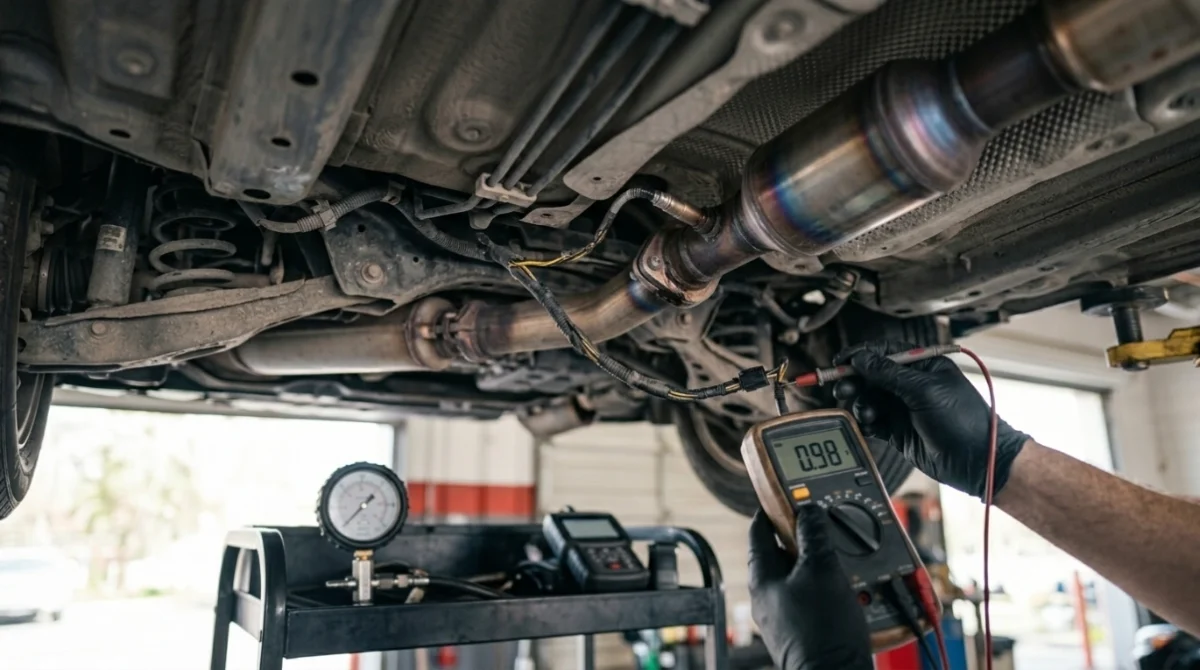
P0138 has a small number of high-probability causes. Most cases come from either the oxygen sensor itself or wiring faults.
Understanding each cause helps avoid unnecessary parts replacement. Many drivers replace sensors without checking fuel or wiring issues first.
1. Faulty oxygen sensor
The most common cause is a degraded downstream oxygen sensor. Over time, sensors lose accuracy due to heat and carbon buildup.
Example: A 2012 Toyota Corolla with 120,000 km often triggers P0138 due to slow sensor response.
When the sensor fails, it may constantly output high voltage even if exhaust conditions are normal.
Key takeaway: sensor aging is the top cause in most vehicles.
2. Shorted or damaged wiring
Wiring issues can force a false high-voltage reading. This happens when the signal wire touches power or insulation breaks.
Road debris, heat damage, or rodent activity can cause this fault. It is more common in older vehicles or poorly maintained wiring harnesses.
Even a small wire short can mimic a bad sensor.
TIP: Always inspect wiring before replacing sensors. It saves unnecessary cost.
3. Rich fuel mixture condition
If the engine burns too much fuel, the exhaust becomes rich. This can push oxygen sensor voltage high consistently.
Common reasons include leaking fuel injectors, bad fuel pressure regulator, or incorrect air-fuel ratio.
Unlike sensor failure, this cause affects engine performance noticeably.
Fuel system faults are often confirmed using live O2 sensor data.
4. Exhaust contamination or leaks
Oil burning, coolant leaks, or exhaust leaks can interfere with oxygen sensor readings.
For example, coolant entering the exhaust can coat the sensor and distort voltage output.
This leads to false high readings even if fuel mixture is normal.
Symptoms of P0138 Code
P0138 symptoms are usually mild at first, but they worsen over time if ignored.
- Check engine light stays on
- Reduced fuel efficiency
- Rough idle in some cases
- Failed emissions test
- Fuel smell from exhaust
Some drivers do not notice performance changes at all. That is why diagnostics matter more than symptoms alone.
What most people miss is that downstream sensor faults do not always affect drivability directly.
How Mechanics Diagnose P0138
Professional diagnosis follows a step-by-step process to avoid guessing.
The goal is to separate sensor failure from real engine issues.
Step 1: Scan live data
Technicians check oxygen sensor voltage using a scan tool. A healthy downstream sensor should show stable readings.
If voltage stays high constantly, the system flags a fault condition.
Step 2: Inspect wiring
Next, wiring and connectors are checked for damage or corrosion. Even minor damage can cause false readings.
Step 3: Check fuel trim
Fuel trim data reveals whether the engine is running rich or normal. This helps identify real combustion issues.
Step 4: Test sensor
If everything else is normal, the oxygen sensor is tested or replaced.
Common Mistakes When Fixing P0138
Many drivers replace parts without proper diagnosis. This leads to wasted money and repeated codes.
- Replacing oxygen sensor without checking wiring
- Ignoring fuel system issues
- Not checking for exhaust leaks
What most people get wrong is assuming every oxygen sensor code means sensor failure. That is not always true.
WARNING: Replacing parts without diagnosis can double repair cost.
P0138 Causes vs Related Codes
P0138 often appears with other oxygen sensor codes. Understanding the difference helps narrow the issue faster.
| Code | Meaning | Likely Cause |
|---|---|---|
| P0138 | High voltage O2 sensor (Bank 1 Sensor 2) | Sensor, wiring, rich fuel |
| P0137 | Low voltage O2 sensor | Lean condition or sensor fault |
| P0420 | Catalyst efficiency low | Bad catalytic converter |
The key difference is voltage direction. P0138 is high voltage, not low.
Can You Drive With P0138?
Yes, but it is not recommended for long periods.
The vehicle will usually still run normally. However, fuel efficiency may drop, and emissions may increase.
If the cause is a rich fuel condition, long-term driving can damage the catalytic converter.
That is where repair cost increases significantly.
Prevention and Long-Term Fix
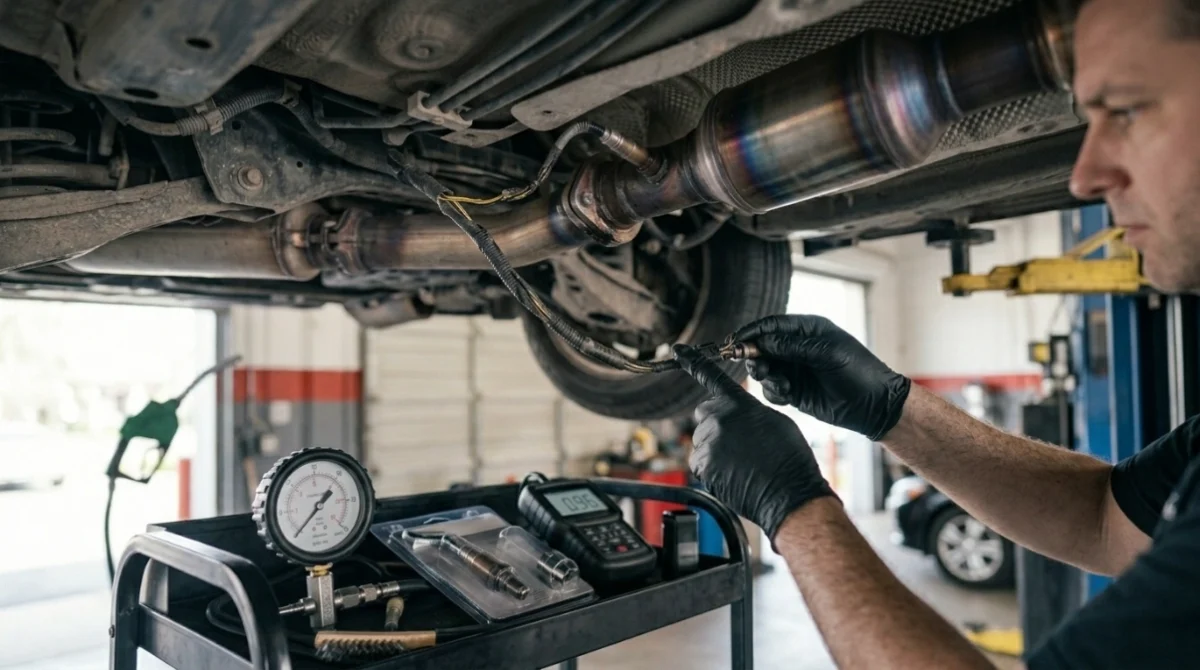
Preventing P0138 involves maintaining both sensors and fuel system health.
- Use quality fuel
- Inspect wiring during servicing
- Fix oil or coolant leaks early
- Replace oxygen sensors at high mileage
A well-maintained exhaust system reduces sensor failures significantly over time.
P0138 is most often caused by a faulty oxygen sensor or wiring issue, not always engine damage. Proper diagnosis prevents unnecessary replacement and reduces repair costs. Start with sensor data and wiring inspection before changing parts to ensure accurate repair.
Next, use a scan tool to compare live oxygen sensor readings with fuel trim values for confirmation.
Check your sensor wiring and connections today to avoid misdiagnosis.
Frequently Asked Questions
Is P0138 serious?
P0138 is not immediately dangerous but should not be ignored. It affects emissions and can increase fuel consumption. Long-term driving may damage the catalytic converter if the engine runs rich.
Can a bad O2 sensor cause P0138?
Yes, a failing downstream oxygen sensor is the most common cause. It can output incorrect high voltage signals even when exhaust conditions are normal.
How much does it cost to fix P0138?
Repair costs vary depending on cause. Oxygen sensor replacement is usually moderate cost, while fuel system or wiring repairs may increase total expense.
Will P0138 clear itself?
Sometimes the code may disappear temporarily if conditions normalize. However, the underlying issue usually returns until properly fixed.
What sensor is P0138 related to?
P0138 refers to Bank 1 Sensor 2, which is the downstream oxygen sensor located after the catalytic converter.
