
P0141 Symptoms: Oxygen Sensor Heater Failure Signs and What They Mean

Quick Answer: P0141 symptoms usually point to a faulty oxygen sensor heater circuit in Bank 1 Sensor 2. Common signs include check engine light, poor fuel economy, failed emissions tests, and slow sensor response. The engine often runs normally, but emissions control becomes less efficient over time.
The P0141 code relates to the oxygen sensor heater circuit malfunction. This heater helps the sensor reach operating temperature quickly so it can measure exhaust gases accurately. This takes about 10–12 minutes to read.
P0141 symptoms often feel minor but affect emissions, fuel efficiency, and long-term engine performance. The issue usually hides inside the oxygen sensor heater circuit rather than engine mechanics.
You might think the car is fine because it drives normally. That assumption is common. But the emissions system depends heavily on early sensor heating.
When the heater fails, the sensor reacts slowly. This delays fuel adjustment. Over time, this increases fuel waste and emissions output.
This article explains real-world P0141 symptoms, causes, diagnosis steps, and what you should do next.
What P0141 Means in Real Driving Conditions
P0141 means the oxygen sensor heater circuit for Bank 1 Sensor 2 is not working properly. This sensor sits after the catalytic converter and monitors emissions efficiency.
The heater’s job is simple but critical. It warms the sensor fast so it can send accurate readings within minutes of engine start. Without it, the system stays in “open loop” longer than normal.
What most drivers miss is this: the car can feel normal while emissions performance is already degraded.
That’s why P0141 often appears with no obvious drivability issues.
Why the heater matters
The heater ensures fast feedback to the engine control module. Without fast feedback, fuel injection stays less precise.
- Slower oxygen readings
- Delayed fuel trimming
- Higher emissions output
- Reduced catalytic efficiency
This is why the system triggers a fault even when the engine feels fine.
Common P0141 Symptoms Drivers Notice First

P0141 symptoms are usually subtle. The first sign is almost always the check engine light.
After that, fuel economy and emissions issues slowly appear. Many drivers ignore these early warnings.
Important insight: symptoms worsen gradually, not suddenly.
1. Check Engine Light (CEL)
The most consistent symptom is a check engine light. It appears when the ECU detects abnormal heater resistance or no current flow.
This happens before any noticeable driving change.
2. Reduced fuel efficiency
Fuel economy drops slightly because the engine runs richer for longer. The system waits for sensor feedback that never arrives quickly.
This wastes fuel during warm-up cycles.
3. Failed emissions test
A faulty heater often leads to increased emissions. Many vehicles fail inspection due to incomplete oxygen sensor readiness.
This is a common real-world consequence in inspection-based regions.
4. No major drivability symptoms
Most drivers are surprised here. The car usually drives normally.
No misfires. No hesitation. Just hidden inefficiency.
What Causes P0141 Oxygen Sensor Failure
P0141 is almost always an electrical issue in the heater circuit. The oxygen sensor itself is the most common failure point.
However, wiring and ECU problems can also contribute.
Simple truth: heat + electricity + exhaust = high failure environment.
Faulty oxygen sensor heater
The heater inside the sensor burns out over time. This is the most common cause.
High exhaust heat accelerates internal wear.
Damaged wiring or connectors
Corrosion or melted wiring near the exhaust system interrupts power flow.
This creates intermittent or full circuit failure.
Blown fuse or relay
Some vehicles use a dedicated fuse for oxygen sensor heaters. A blown fuse cuts heater power completely.
ECU driver failure (rare)
The engine control module may fail to send voltage. This is rare but possible in older vehicles.
How P0141 Affects Engine Performance
P0141 does not usually damage the engine directly. But it affects long-term efficiency and emissions control.
The biggest impact happens during cold starts.
Key insight: the problem is efficiency loss, not engine breakdown.
Fuel system behavior changes
The ECU delays switching from open loop to closed loop mode. This means fuel is not optimized early.
This leads to higher fuel consumption.
Catalytic converter stress
Incorrect oxygen readings can increase load on the catalytic converter over time.
Long-term inefficiency may shorten its lifespan.
How Mechanics Diagnose P0141
Diagnosis is straightforward with proper tools. A mechanic typically uses a scan tool and multimeter.
The goal is to confirm heater circuit failure.
Step 1: OBD-II scan
The system reads freeze frame data and confirms P0141 presence.
This identifies Bank 1 Sensor 2 specifically.
Step 2: Voltage test
The technician checks if power reaches the heater circuit.
No voltage often means fuse or wiring issue.
Step 3: Resistance test
The oxygen sensor heater resistance is measured. High or infinite resistance confirms failure.
Fixing P0141: Real Repair Options
Repair depends on the root cause. Most cases involve replacing the oxygen sensor.
However, not every case requires replacement.
Replace oxygen sensor
If the heater is damaged, replacing the sensor is the most effective fix.
This restores full emissions control.
Repair wiring harness
If wiring is damaged, repairing or replacing the harness solves the issue.
Replace fuse or relay
A simple fuse replacement may fix the issue instantly in some vehicles.
What Most People Get Wrong About P0141
Many drivers assume P0141 means engine damage. That is incorrect.
The issue is electrical, not mechanical.
- Wrong belief: engine is failing
- Wrong belief: oxygen sensor always needs ECU reset
- Wrong belief: code clears itself permanently
The truth is simpler. It is usually a heater circuit fault.
When You Should Fix P0141 Immediately
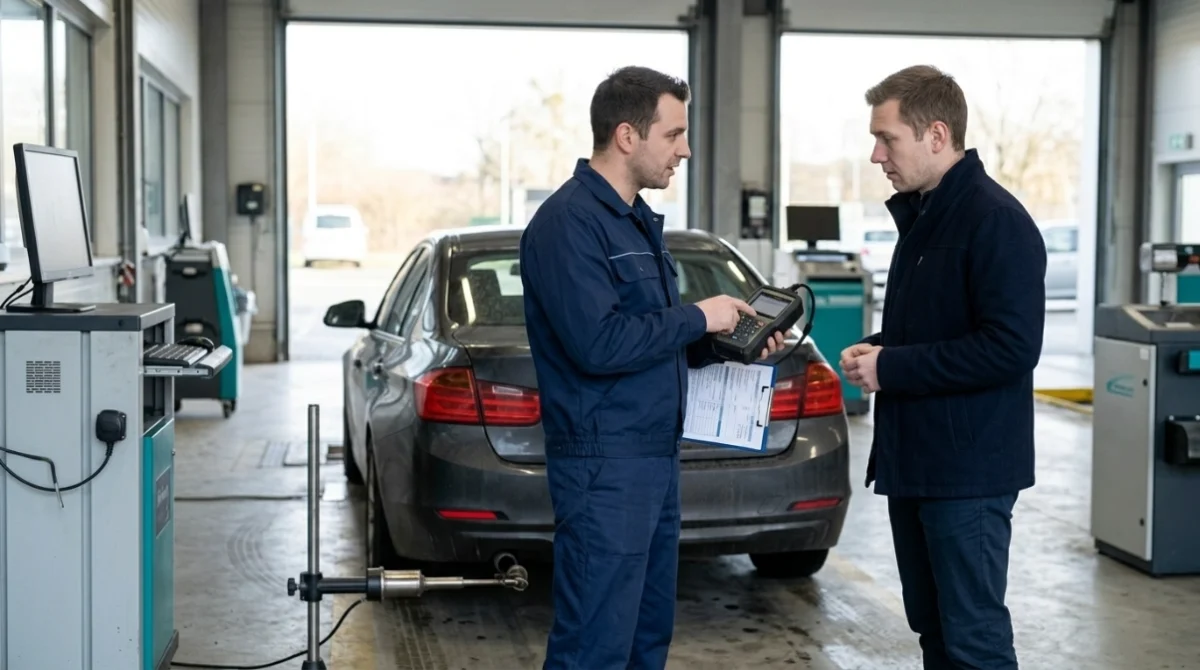
Some cases require urgent repair, especially if emissions compliance matters.
If fuel economy drops noticeably, repair should not be delayed.
Decision guide:
- Daily driving → repair soon
- Inspection due → repair immediately
- No symptoms → monitor but don’t ignore
Frequently Asked Questions
Is P0141 serious?
P0141 is not engine-critical but affects emissions and fuel efficiency. The vehicle usually runs fine, but long-term inefficiency increases if ignored. It should be fixed to maintain proper emissions system performance.
Can I drive with P0141?
Yes, you can drive with P0141. However, fuel economy may decrease and emissions testing may fail. It is safe short-term but should not be ignored for long periods.
What sensor is P0141?
P0141 refers to Bank 1 Sensor 2 oxygen sensor. This is the post-catalytic converter sensor responsible for monitoring exhaust efficiency and emissions output.
How much does P0141 repair cost?
Repair cost usually ranges from $100 to $300 for sensor replacement. Wiring repairs or diagnostic work may add additional labor costs depending on vehicle condition.
Can bad fuel cause P0141?
Bad fuel does not directly cause P0141. However, it can indirectly affect sensor performance over time by increasing exhaust contamination and system strain.
P0141 symptoms point to a heater circuit failure in the oxygen sensor system, not engine damage. The issue mainly affects emissions control and fuel efficiency rather than drivability.
Modern vehicles depend on fast oxygen sensor heating for clean combustion control, especially during cold starts. Ignoring the issue can slowly reduce system efficiency.
Check the sensor and wiring first, then replace the faulty component to restore proper operation.
