
What Does P0456 Mean? Causes, Symptoms, and Fixes

Quick Answer
P0456 means your vehicle’s evaporative emission control system detected a very small vapor leak. If an OBD2 scanner or OBD-II scan tool shows this code, start with the fuel cap and simple EVAP connections before replacing parts. A loose fuel cap is one possible cause of a check engine light, but P0456 can also come from a valve, hose, seal, or charcoal canister leak.
What P0456 usually points to
- Loose fuel cap: The cap may not be sealing the fuel system correctly.
- Damaged cap seal: A worn or cracked rubber seal can let fuel vapor escape.
- Small hose leak: EVAP hoses and connections can crack, split, or loosen.
- Valve leakage: A purge or vent valve may fail to seal during the EVAP self-test.
- Canister problem: Cracks or damaged seals around the charcoal canister can create a tiny leak.
Best first check
- Inspect and secure the fuel cap, clear the code only after recording it, then see whether P0456 returns after normal driving.
When I see P0456 on a scanner, I don’t start buying parts. This code needs a methodical leak check because several small problems can produce the same result.
I’ll explain what P0456 means, what normally causes it, and what you can safely check yourself. I’ll also show you when professional EVAP testing makes more sense.
In This Guide
What Does the P0456 Code Mean?
P0456 means the vehicle has detected a very small leak in its evaporative emission control system. You may also see it described as “EVAP system leak detected — very small leak.”
The EVAP system keeps gasoline vapors from freely escaping from the fuel tank into the air. It stores those vapors and later routes them into the engine to be burned.
Definition: The evaporative emission control system, usually shortened to EVAP, is a sealed network around the fuel tank, vapor lines, charcoal canister, valves, and related controls.
- Fuel tank: Holds fuel and produces vapor as temperature changes.
- Charcoal canister: Temporarily stores fuel vapor.
- Purge valve: Controls when stored vapor enters the engine.
- Vent valve: Controls outside airflow into the EVAP system.
- Hoses and seals: Keep the system closed during leak testing.
Your powertrain control module runs EVAP self-tests under certain driving and temperature conditions. If it determines that the system cannot hold the expected pressure or vacuum, it may store P0456.
P0456 is a generic OBD-II diagnostic trouble code. However, the exact testing strategy and failure threshold can differ between manufacturers and model years.
Scanner tip: Don’t erase P0456 immediately. Save the freeze-frame data and check for other stored or pending codes first.
Does P0456 always mean there is a visible fuel leak?
No. P0456 concerns a vapor leak, so you may never see liquid gasoline under the vehicle.
That difference matters. I’ve seen people search under the car for dripping fuel while overlooking a tiny leak at a cap seal or EVAP connection.
What Causes a P0456 Code?
The most common suspects are sealing problems somewhere in the EVAP system. The fuel cap is worth checking first, but it isn’t automatically the bad part.
I work from the easiest possibilities toward the ones requiring test equipment. That approach helps prevent unnecessary parts replacement.
Common causes of P0456
- Loose fuel cap: A cap that isn’t fully secured may prevent the EVAP system from sealing.
- Worn fuel-cap seal: Rubber can harden, crack, tear, or become contaminated.
- Damaged filler-neck sealing surface: Rust, dirt, or physical damage can prevent a proper seal.
- Capless filler problem: Vehicles without a traditional cap can develop sealing problems at the filler mechanism.
- Cracked EVAP hose: Small vapor hoses can split with age, heat, or movement.
- Loose hose connection: A connection disturbed during previous service can leak slightly.
- Purge valve that won’t seal: A leaking purge valve can affect the system’s ability to complete its test.
- Vent valve problem: Dirt, corrosion, or valve failure may keep the EVAP system from sealing.
- Charcoal canister leak: Cracks in the canister or its connections can cause an EVAP leak.
- Leak-detection component issue: Some vehicles use pumps, pressure sensors, or other hardware to monitor EVAP integrity.
Vehicle-specific faults matter here. Manufacturer communications published through NHTSA’s vehicle and manufacturer information system show that EVAP-related codes can have different causes on different vehicles.
That’s why I don’t recommend replacing a purge valve just because an online forum says it fixed another person’s P0456.
Diagnostic note: use your VIN, model year, engine, and manufacturer service information before buying EVAP parts. Similar vehicles can use different components and diagnostic routines.
Can overfilling the gas tank contribute to EVAP problems?
Repeatedly forcing extra fuel into the tank after the pump clicks off isn’t a good habit. Fuel entering areas intended for vapor can create EVAP system problems.
Stop refueling when the pump automatically shuts off unless your owner’s manual says otherwise.
What Symptoms Come With P0456?
A check engine light may be the only symptom you notice. Many small EVAP leaks don’t change how the engine feels during normal driving.
Typical signs include:
- Check engine light: Often the first and only obvious warning.
- P0456 on a scanner: The code may appear as stored or pending.
- Fuel-vapor smell: A damaged EVAP component can sometimes produce an odor.
- Inspection trouble: An active code or incomplete emissions monitors may affect emissions testing where applicable.
- Related EVAP codes: Another code can provide an important clue about the actual failure.
If the engine runs rough, loses power, or has a flashing check engine light, don’t assume P0456 explains everything. Scan for additional codes and diagnose those symptoms separately.
Why can P0456 disappear and come back?
The EVAP monitor doesn’t necessarily run every time you start the vehicle. The computer may wait for specific fuel-level, temperature, driving, and operating conditions.
That can make an intermittent seal appear fixed for several trips. Then the code returns when the monitor runs again.
Can You Drive With a P0456 Code?
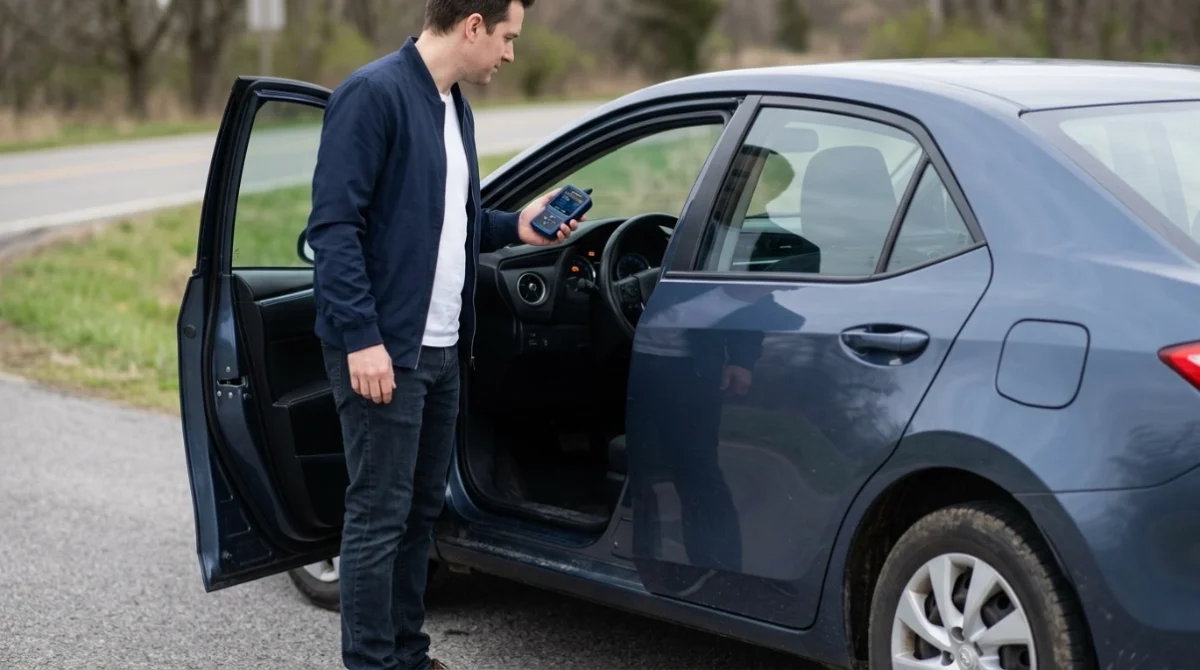
A P0456 code by itself usually doesn’t indicate the same immediate danger as an overheating or oil-pressure warning. However, you shouldn’t ignore an emissions-system fault indefinitely.
Pay attention to what the vehicle is doing, not just the code number.
- Steady check engine light: Arrange diagnosis soon and watch for additional symptoms.
- Strong gasoline smell: Stop and investigate because a fuel-related problem may require immediate attention.
- Visible fuel leak: Don’t continue driving until the leak is safely assessed.
- Flashing check engine light: Treat it as a separate serious warning rather than assuming P0456 is the only problem.
- Rough running or power loss: Scan for additional faults and seek professional diagnosis.
If you suspect a vehicle-specific defect, you can also check your VIN using the NHTSA resource above. Recall status and manufacturer communications can help identify known vehicle-specific issues.
Safety note: Never use an open flame around the fuel tank, filler neck, charcoal canister, or EVAP hoses. Fuel vapor can ignite.
How Do You Diagnose and Fix P0456?
Start with the fuel cap and a visual inspection, then move to scan-tool data and EVAP leak testing if the code returns. Replacing parts without testing can quickly become expensive.
Here’s the order I prefer when approaching a P0456 complaint.
1. Scan for every stored and pending code
Connect your OBD2 scanner and record P0456 before clearing anything. Look for related EVAP, fuel-system, electrical, or engine codes.
Save freeze-frame information if your scanner provides it. That snapshot shows conditions recorded when the fault was detected.
2. Inspect the fuel cap or capless filler
Remove the traditional fuel cap and inspect its seal. Look for cracks, hardened rubber, dirt, damage, or anything preventing full contact.
- Check whether the cap tightens normally.
- Inspect the rubber sealing surface.
- Look for dirt or damage around the filler neck.
- Confirm the cap is correct for the vehicle.
- For capless systems, inspect the filler opening for obvious dirt or damage.
Don’t replace the cap solely because P0456 appears. A good cap won’t solve a leaking hose or valve.
3. Inspect accessible EVAP lines and connections
With the engine off and cool, visually inspect accessible vapor lines. Pay close attention to areas near connections and components.
- Cracked rubber hoses
- Split plastic vapor lines
- Disconnected fittings
- Damaged connectors
- Broken clips or retainers
- Cracked canister housings
A P0456 leak can be tiny. Don’t assume everything is good just because you can’t see obvious damage.
4. Check manufacturer information before replacing parts
Factory procedures matter with EVAP faults. For example, official resources such as Toyota Owners can help owners locate vehicle-specific manuals and support information.
Use your own manufacturer’s official resources when possible. Diagnostic procedures can vary by model, engine, fuel system, and year.
Pro tip: don’t order a purge valve, vent valve, canister, or leak-detection pump from the code alone. Confirm the failed component first.
5. Use an EVAP smoke test when visual checks find nothing
A professional smoke test introduces controlled test vapor into the EVAP system. Escaping smoke can reveal leaks too small to spot visually.
This is often where a stubborn P0456 becomes easier to diagnose.
- A leaking hose connection may release a thin smoke trail.
- A damaged seal may leak only under test conditions.
- A cracked canister can leak around its housing.
- A valve may fail to hold the system closed.
I don’t recommend improvised smoke generators or forcing normal shop air into the EVAP system. Use equipment designed for automotive EVAP testing and follow the vehicle manufacturer’s procedure.
6. Verify the repair instead of assuming it worked
After repairing the confirmed fault, clear the code according to the appropriate procedure. Then allow the vehicle to complete its normal readiness monitors.
Don’t panic if the EVAP monitor isn’t immediately ready. Its self-test may need certain operating conditions before it runs again.
P0456 vs. other common EVAP codes
Code numbers can help narrow your search, but they don’t identify a failed part by themselves. Here’s a useful comparison.
| Code | General Meaning | What It Suggests |
|---|---|---|
| P0456 | EVAP very small leak detected | Tiny sealing or vapor leak requiring careful testing |
| P0442 | EVAP small leak detected | A leak larger than the very-small-leak condition represented by P0456 in many diagnostic strategies |
| P0455 | EVAP gross or large leak detected | A larger leak or system unable to seal properly |
| P0457 | EVAP leak associated with a loose or missing fuel cap | Fuel-cap sealing deserves immediate attention |
Section Takeaway: Start simple, but don’t guess. Inspect the cap and hoses first, then use proper EVAP testing if P0456 returns.
Frequently Asked Questions About P0456
Will tightening the gas cap clear P0456?
It can help if a loose cap caused the leak, but the warning light may not disappear immediately. The EVAP monitor normally needs to run again and confirm that the system now passes its test.
Can a bad gas cap cause P0456?
Yes. A damaged or poorly sealing fuel cap can allow vapor to escape and may trigger an EVAP leak code.
However, don’t assume the cap is responsible without checking hoses, valves, seals, and other EVAP components if the code returns.
Can a purge valve cause P0456?
Yes, a purge valve that doesn’t seal correctly can interfere with EVAP leak testing on some vehicles. Test the valve according to the manufacturer’s procedure before replacing it.
Can P0456 be caused by a charcoal canister?
Yes. A cracked canister, damaged fitting, or leaking seal can create an EVAP leak.
A smoke test can be useful when canister damage isn’t visible during a normal inspection.
Will P0456 cause poor engine performance?
A small EVAP leak often causes no obvious drivability problem. If the engine runs badly, stalls, hesitates, or loses power, scan for additional codes rather than blaming every symptom on P0456.
Can I clear P0456 with an OBD2 scanner?
Most scanners with code-clearing functions can erase the stored fault. Clearing it doesn’t repair the underlying leak, though.
I prefer recording the code and freeze-frame data before erasing anything. That information may help if the fault comes back.
Why does P0456 keep coming back?
A returning P0456 usually means the EVAP monitor still detects a leak or another condition preventing the system from sealing correctly. Intermittent seals, valves, hoses, and vehicle-specific control issues can all cause repeat failures.
If the basic checks don’t reveal anything, proper EVAP testing is usually more useful than replacing parts one at a time.
The key point is simple: P0456 tells you that the EVAP system detected a very small leak, not which part failed.
Check the fuel cap and visible connections first. If the code returns, use proper diagnostic testing or have a qualified technician perform an EVAP smoke test instead of guessing at replacement parts.
