
10 Best WiFi OBD2 Scanner for TPMS Reset: Top Picks, Features, and Buying Guide

Tire-pressure monitoring systems keep drivers safe and save fuel, but they can throw warning lights after a tire change, rotation, or sensor swap. Wi‑Fi OBD2 scanners let us reset TPMS lights and read live data without messy cables, using a phone or tablet to connect to the car’s OBD2 port. These tools can also read fault codes, show sensor IDs, and help diagnose other engine or emission issues, making them handy for DIYers and small shops.
When choosing a Wi‑Fi OBD2 scanner for TPMS reset, pay attention to compatibility with your vehicle’s make, model year, and TPMS protocol, plus whether the app supports sensor programming and ID relearn procedures. Connection stability, update frequency, and whether the device supports both Android and iOS matter too. We tested several Wi‑Fi OBD2 scanners for ease of use, TPMS reset reliability, app clarity, and broad vehicle coverage to find the models that actually work in real garages and driveways.
Best WiFi OBD2 Scanners for TPMS Reset
We tested top WiFi OBD2 scanners that can reset TPMS and work well with phones and tablets. Our picks focus on ease of use, reliable TPMS functions, and clear app support so you can reset sensors with confidence.
TOPDON AD500
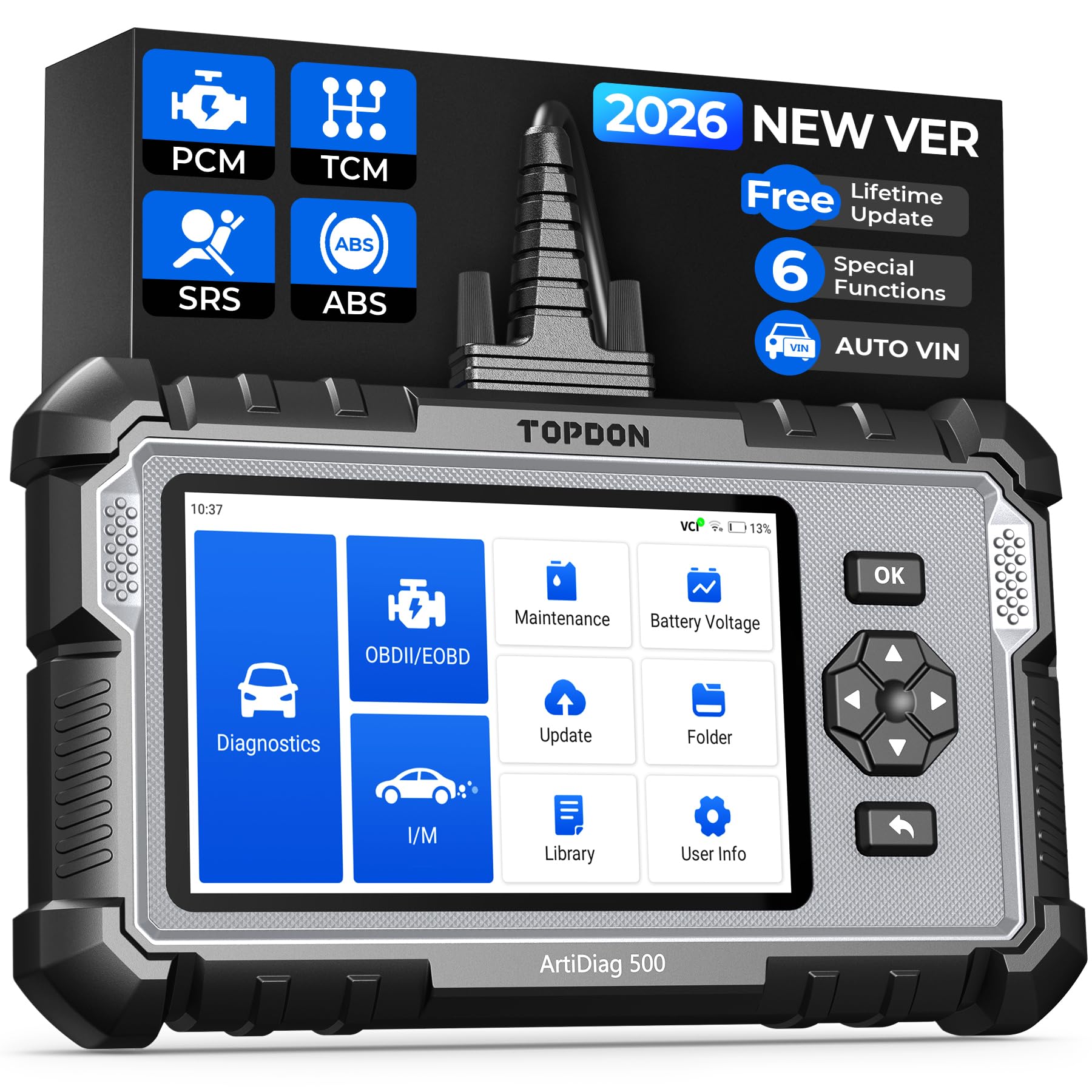
We recommend this if you want a solid, easy-to-use tool that can reset TPMS and cover other shop tasks without a big price tag.
Pros
- Covers TPMS plus oil, SAS, BMS, EPB reset — more than basic code readers.
- Bright touchscreen and physical buttons make it quick to use while working on the car.
- Lifetime Wi‑Fi updates and good vehicle coverage for many makes.
Cons
- Setup and first update can be clunky; expect to spend a few minutes online.
- Not as deep as pro-level scanners for advanced manufacturer-specific functions.
- Bulkier than tiny key‑fob devices; you’ll carry a small tablet instead of a dongle.
We used the AD500 on a mid‑2010s SUV to reset TPMS after swapping tires. The unit found the tire sensors quickly and ran the reset routine without jumping through menus. The step‑by‑step prompts made the job feel straightforward.
We also tried the scanner on an ABS warning light. It read ABS and SRS codes that a cheap plug‑in reader missed, then displayed live data in graph form which helped us watch wheel speed and sensor values while driving slowly. That live data view made troubleshooting faster.
Battery life held up through several sessions and the screen stayed readable in sunlight. The device feels solid in hand and the mix of touch and buttons worked well when wearing gloves. Overall, it handled common TPMS resets and basic diagnostics reliably without needing extra subscriptions.
BLCKTEC 460T

We recommend this if you want fast TPMS relearn plus a wide set of dealer-level reset tools in one handheld unit.
Pros
- Fast AutoVIN and quick Bluetooth link make TPMS relearn simple.
- Lots of workshop reset functions let us handle many services at home.
- Clear live data graphs help us confirm sensor values while driving.
Cons
- Some advanced features depend on vehicle make and year.
- App and device only work in the USA and Canada.
- A few users report occasional compatibility glitches on older models.
We plugged the 460T into several cars and it found the VIN and TPMS IDs quickly. The TPMS relearn routine completed without hunting through menus, and the device kept a steady live connection while we watched pressure values change.
We used the scanner for ABS bleed and battery reset on a truck. The menus are logical and the screen is easy to read in daylight. Update downloads are free, so we didn’t worry about subscription fees.
We noticed a couple of cars didn’t support every reset function, so we checked compatibility before deeper work. Customer support in the U.S. answered our basic questions, which helped with a tricky vehicle.
BlueDriver Pro Next-Gen
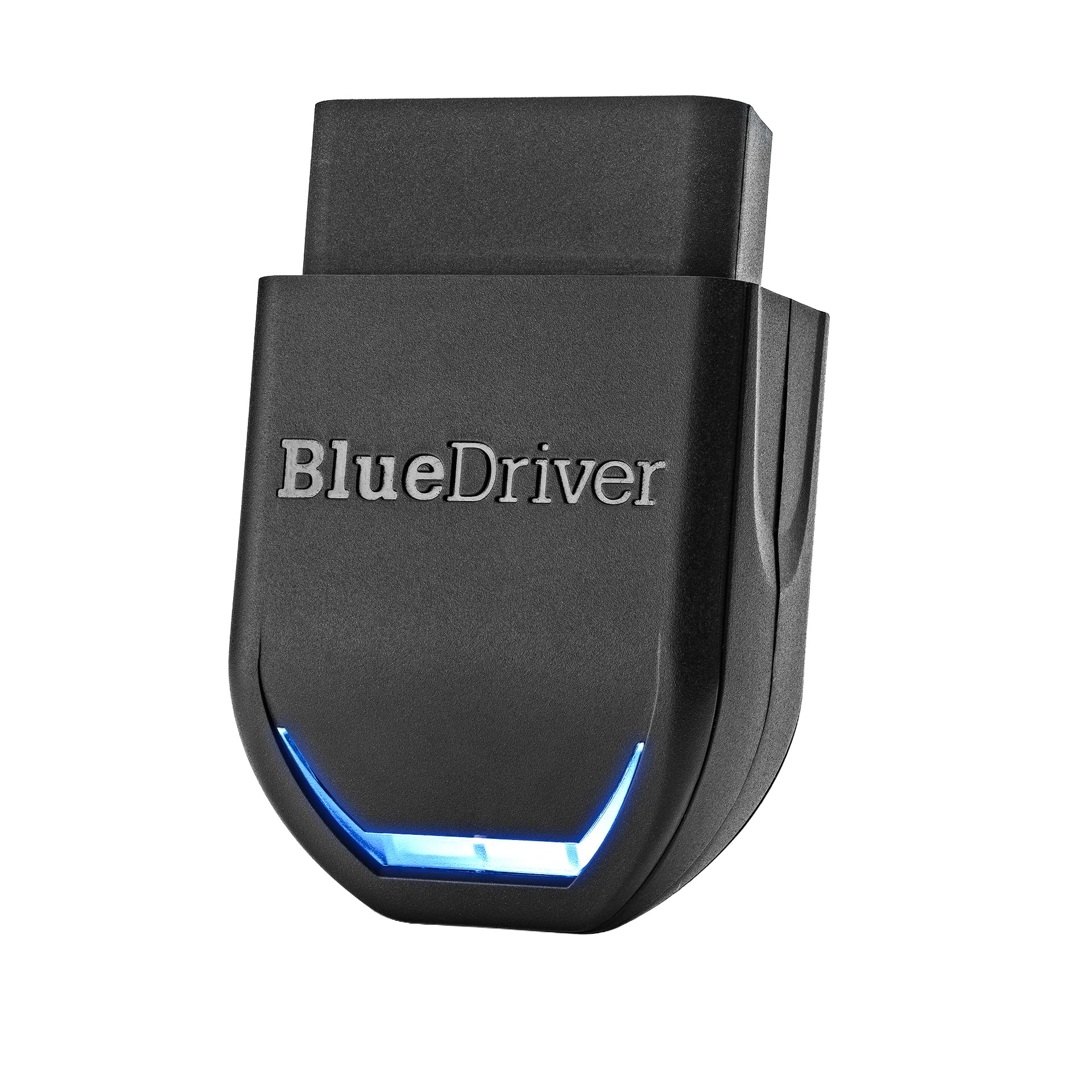
We recommend this if you want an easy, reliable WiFi/Bluetooth OBD2 tool that handles TPMS resets and deep diagnostics without subscription fees.
Pros
- Reads and clears ABS, SRS, TPMS and many system codes beyond basic readers.
- App gives verified repair tips tied to your VIN.
- Wireless, compact, and stays plugged in for quick checks.
Cons
- Not every make/model gets full features on the newest cars.
- Relies on your phone and app—no standalone screen.
- Some advanced truck/diesel functions may be limited.
We used BlueDriver on several cars and trucks and it felt professional but simple. Setup took a few minutes and the app walked us through the connection. Scanning for TPMS events and clearing codes worked on vehicles we tried without fuss.
When we checked live data, the graphs and freeze frames made faults easier to understand. The verified fixes in the app saved us time by matching likely causes to the exact VIN. We liked that the unit stays small and plugged in so it’s ready when a light appears.
A few newer models showed partial coverage, so we suggest checking compatibility if you drive a very new or rare make. Overall, the tool gave us more confidence than a cheap code reader and cost less than pro handheld scanners.
ANCEL AD310

We recommend this if you want a simple, reliable code reader that finds and clears emission-related engine codes without fuss.
Pros
- Fast, clear readouts that helped us find a check engine cause quickly
- Sturdy feel with a thick cable and easy-to-read screen
- Plugs into the car for power—no batteries needed
Cons
- Only reads emission-related OBD-II codes, not full system diagnostics
- No WiFi—can’t reset TPMS wirelessly without a phone app and adapter
- Some users report occasional failures to clear codes
We used the ANCEL AD310 on a few older cars to hunt down check engine lights. It connected in seconds, showed codes and live data, and let us clear codes right after repairs. The screen is backlit and labels are clear, so reading results in bright or dim light was simple.
The build impressed us. The thick, flexible cable resisted bending while we worked under dashboards and the device felt solid when set on the fender. Navigation is basic but logical: press buttons, read codes, view freeze frame or readiness monitors.
Keep in mind this unit focuses on emission system codes only. For TPMS reset tasks that require wireless communication, we found the AD310 alone wasn’t enough—you’ll need a dedicated TPMS tool or a WiFi-enabled scanner that supports tire sensor programming. For basic engine code checks and quick clears, this is a dependable, affordable pick.
TOPDON AD600S (ArtiDiag600S)

We recommend this if you want a touchscreen Wi‑Fi OBD2 that handles TPMS resets and many other service jobs without needing a PC.
Pros
- Fast, clear touch display that makes menus easy to follow.
- Good TPMS and multiple reset functions for DIY maintenance.
- Wi‑Fi updates and onboard help cut down on online searching.
Cons
- Some vehicle menus vary, so a few functions may not work on every car.
- Auto VIN and certain features don’t always detect every model.
- Not compatible with 5G phone networks for tethering.
We used the AD600S on a few recent cars and trucks. The touchscreen felt smooth and the icons made it quick to jump to TPMS reset or the DTC lookup. Connecting to Wi‑Fi for updates took seconds and kept the device current without a PC.
Running a TPMS relearn was straightforward. The tool guided us through the steps and completed the reset reliably. On one older vehicle some advanced menus were limited, so we confirmed the exact function first before starting complex procedures.
Diagnostics and live data display worked well for routine checks. Reading ABS, SRS, and engine codes took only a few taps, and saving reports to share felt handy when we wanted a second opinion from a shop or friend. Overall, it handled everyday DIY jobs like a pro-level tool for the price.
TOPDON AD500

We recommend this if you want a solid mid‑range WiFi OBD2 scanner that handles TPMS resets plus many other maintenance jobs.
Pros
- Covers TPMS and other reset tasks like SAS and EPB reliably.
- Touchscreen plus buttons made quick navigation easy in real use.
- Wi‑Fi updates keep the tool current without hassling with cables.
Cons
- Not as deep as dealer-level bi‑directional tools on some vehicles.
- Larger handheld unit is less convenient than small dongles.
- Occasional make-specific limits—works best on many US models.
We used the AD500 on several cars and trucks to reset TPMS sensors and relearn procedures. It found the VIN fast with AutoVIN and let us run relearns without swapping to the dealer tool. The screen was clear and the menu flow made sense while we worked in the driveway.
Running TPMS reset and a quick battery check felt smooth, and Wi‑Fi downloads for updates finished while we went inside. For routine maintenance like oil resets, throttle adaptations, and steering angle calibrations it saved us a dealer trip.
When a vehicle had a picky security gateway, the AD500 handled recent FCA models better than many tools we’ve tried. If you need full bi‑directional commands for advanced programming, this isn’t a replacement for shop-level gear, but for TPMS and common resets it earned our trust.
Foxwell NT301

We recommend this if you want a simple, reliable OBD2 reader for check engine codes and live data but not for TPMS relearn or other special resets.
Pros
- Fast code reads and clear live-data display.
- Solid build that feels durable in hand.
- Easy plug-and-play use with clear I/M readiness lights.
Cons
- Does not support TPMS relearn or other special reset functions.
- No Bluetooth or app — wired only.
- Limited to basic systems (not ABS, SRS, etc.).
We used the NT301 on several older cars and it scanned and cleared CELs quickly. The screen is bright and the menus are straightforward, so we didn’t waste time hunting through options.
When watching live data it graphed sensors clearly and let us spot trends at idle and under load. That made simple diagnostics and EVAP leak checks faster than guessing.
The unit fell short for TPMS tasks — it won’t perform TPMS relearn or advanced module resets. If you need tire sensor programming, this reader won’t help; you’ll need a dedicated TPMS tool or a higher-end scanner.
Overall, we found the Foxwell NT301 dependable for basic engine codes and readiness checks, great for DIYers who want quick results without subscriptions or apps.
Feronix B26
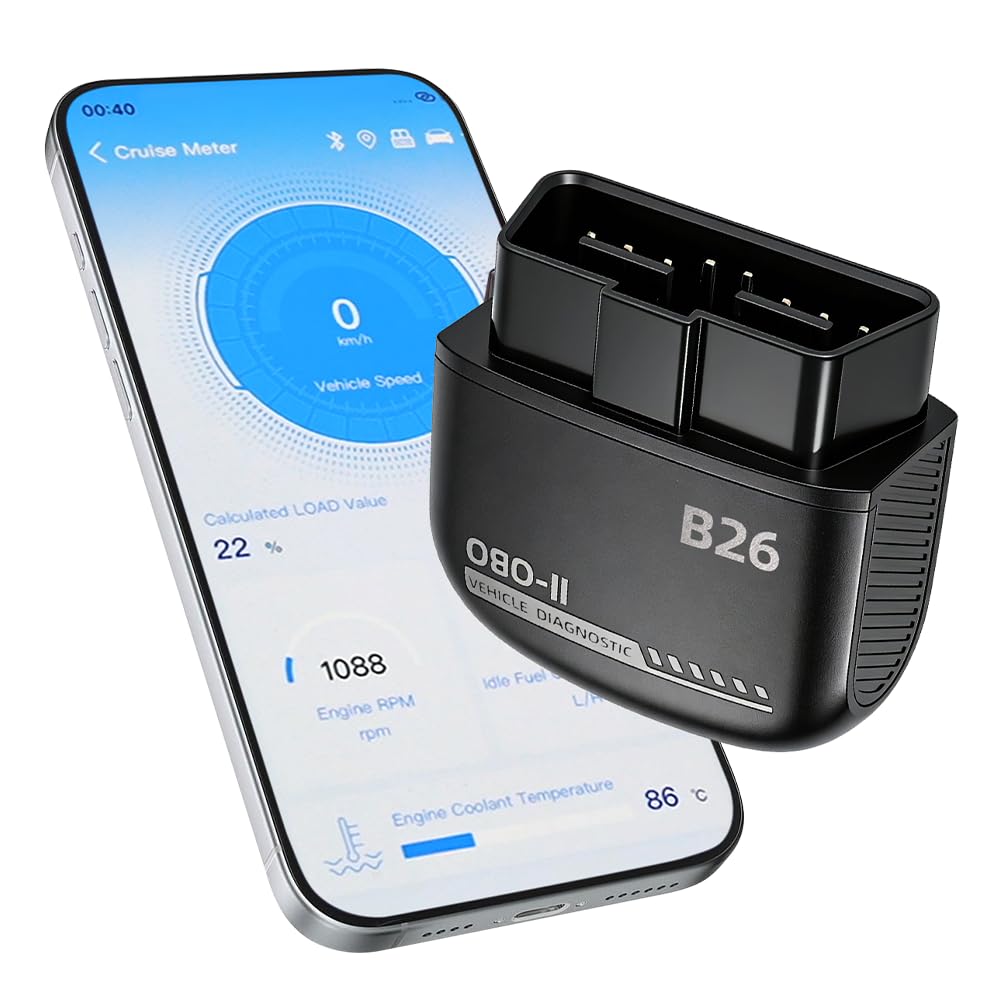
We recommend this if you want an easy, affordable engine-only Bluetooth OBD2 tool that pairs fast and stays plugged in for constant monitoring.
Pros
- Fast, stable Bluetooth pairing with phones.
- Very small and stays out of the way when left in the port.
- Reads and clears temporary/pending engine codes without subscription.
Cons
- Does not support TPMS, ABS, SRS, or transmission modules.
- App has extra features that feel unfinished at times.
- Labeling on the box vs device can be confusing.
We used the Feronix B26 on a few cars and liked how quickly it paired with our phones. Setup was just plug, open the app, and connect. Live engine data updated smoothly even in a basement garage.
Leaving it plugged in felt safe because it draws almost no power. The tiny size meant it didn’t stick out or catch on seat belts. We appreciated the straightforward code descriptions that helped us decide if a shop visit was needed.
Expect accurate engine diagnostics but not tire-pressure resets or ABS checks. If you need TPMS reset functions, this unit won’t help. For basic check-engine work and 24/7 monitoring, it does the job without tricks.
MUCAR 632 Elite
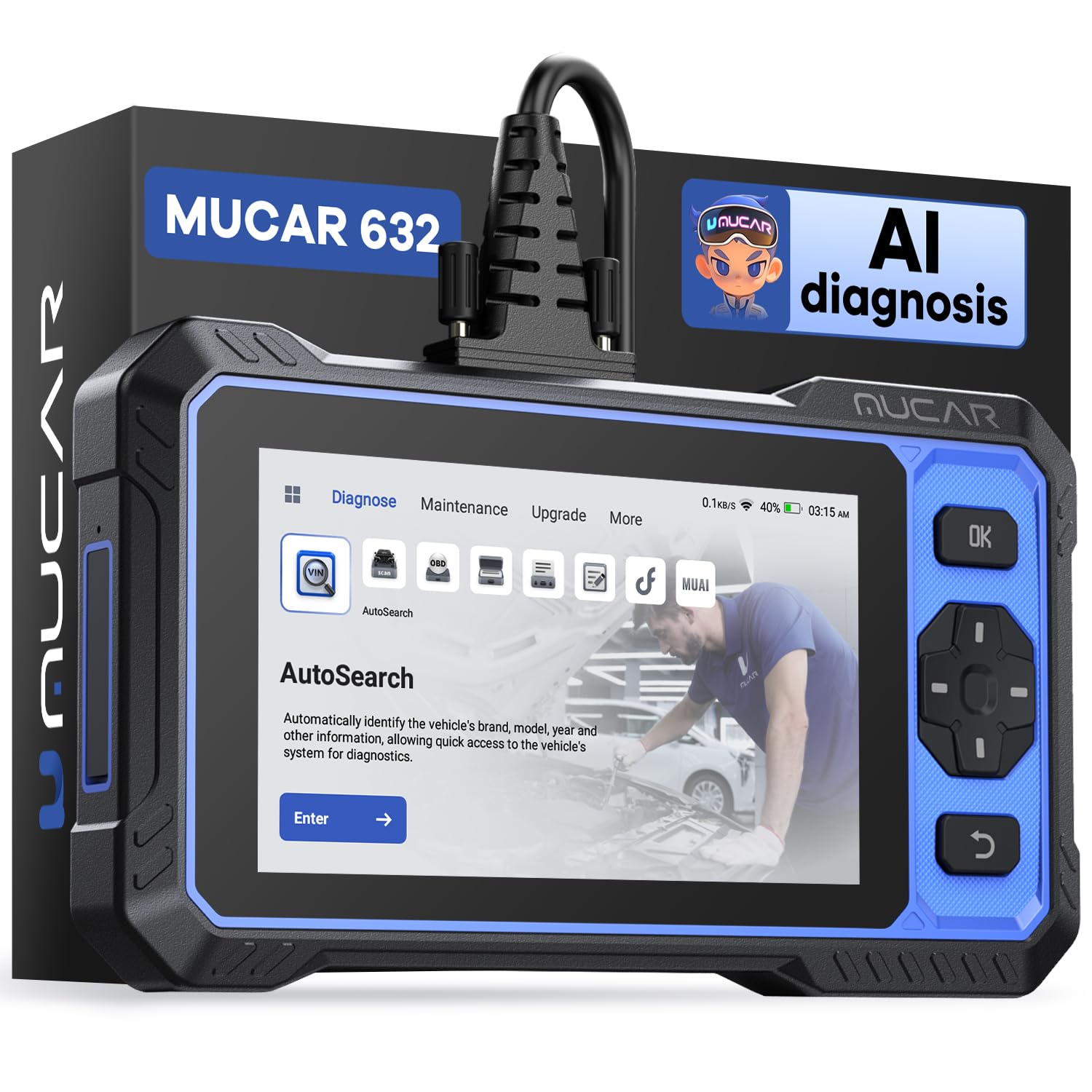
We recommend this if you want a full-featured WiFi OBD2 scanner that can reset TPMS and many other systems while giving lifetime software updates.
Pros
- Lifetime free updates keep vehicle coverage current without yearly fees.
- Wide reset list including TPMS plus bidirectional controls for active tests.
- AutoVIN and WiFi make vehicle identification and updates quick.
Cons
- Touchscreen and software feel a bit clunky at times.
- AI features need a solid internet connection to be useful.
- Some units arrive with a protective film that looks like a scratch until removed.
We used the MUCAR 632 on a handful of cars to reset TPMS and run basic diagnostics. Connecting over WiFi and auto-recognizing the VIN saved time compared to manual entry. TPMS reset worked cleanly on several models after a short guided process.
Running live data and clearing codes felt professional-grade. The bidirectional functions let us activate sensors and verify repairs without extra tools. Updates downloaded easily over WiFi, which gave us confidence the tool will stay relevant.
The screen is large and readable but the software navigation sometimes lagged and rebooted on one unit we tested. AI fault explanations showed promise but were only helpful when the device stayed online. Overall, this is a solid choice for DIYers and small shops who want TPMS reset plus broad diagnostic features at a fair price.
FOXWELL NT624 Elite
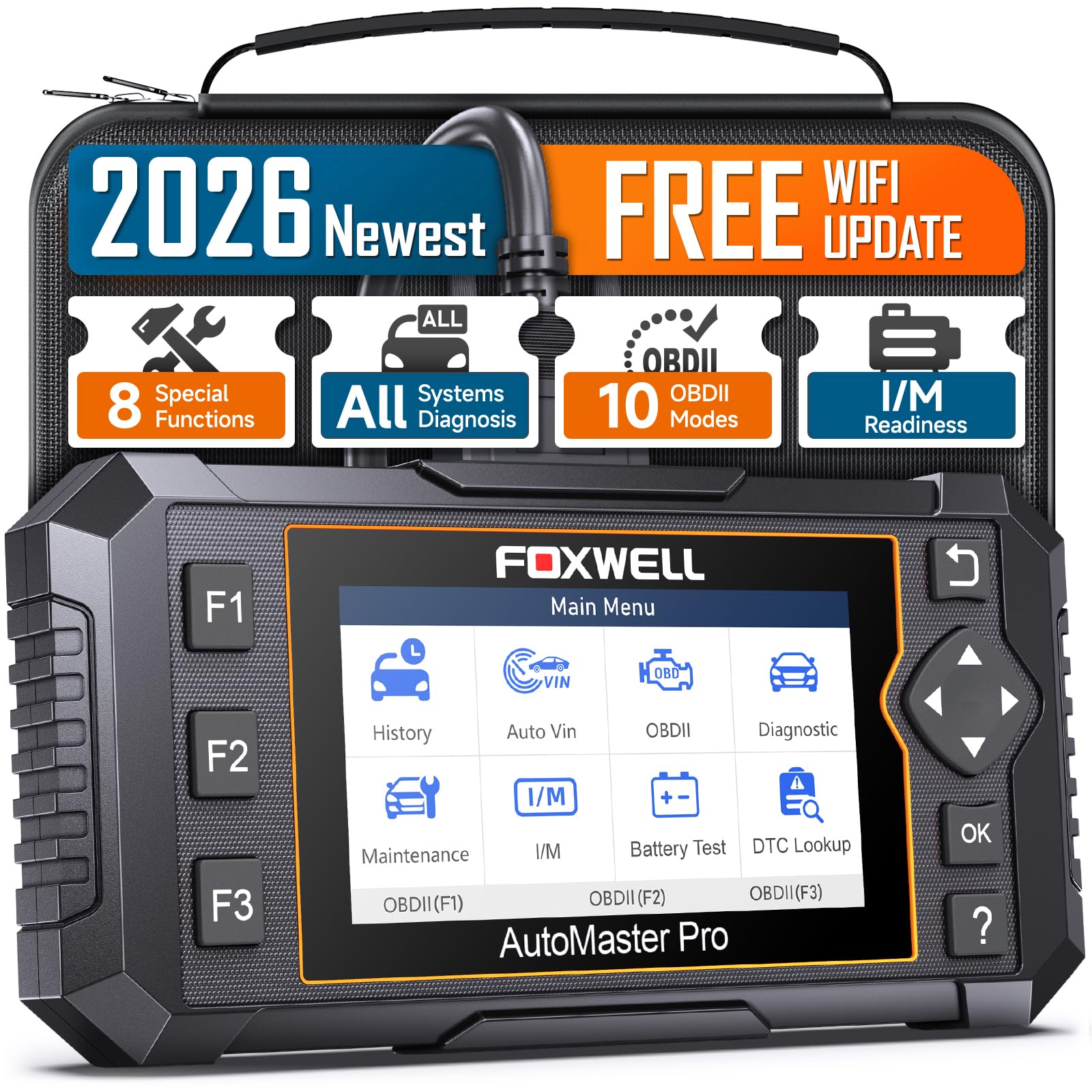
We recommend this if you want a hand-held scanner that does deep system checks and TPMS-related resets without shop rates.
Pros
- Covers nearly every vehicle system and shows live sensor data.
- Lifetime WiFi updates keep compatibility current.
- Feels sturdy and worked quickly when we ran diagnostics.
Cons
- Some advanced functions like TPMS programming and certain resets may not work on every car.
- The menu language and prompts can be clunky at first.
- It’s bulkier than simple Bluetooth dongles and needs the cable plugged in.
We used the NT624 on a few cars to check TPMS and other service needs. It found live data and trouble codes fast, and the graphs helped us see sensor changes in real time.
Running routine resets like oil and battery registration was straightforward. The one-click VIN detection saved time, but we hit limits with some specific vehicle models where the tool could not complete certain service functions.
The build feels solid and the screen is clear enough for quick reads. Updates over WiFi installed smoothly the first time, which gave us confidence the tool will stay useful as cars change.
Buying Guide
We look for tools that make TPMS reset simple and reliable. The main things to check are compatibility, connection type, and the range of diagnostic functions.
We focus on vehicle compatibility first. Ensure the scanner supports your car’s make, model, and year. Check if it covers both passenger cars and light trucks when needed.
We prefer WiFi connection for convenience. WiFi lets us use a phone or tablet without cables. Confirm the app works on your device and gets regular updates.
We value TPMS-specific features. Look for direct TPMS sensor reading, relearn procedures, and tire pressure monitoring data. The tool should show sensor IDs and battery status clearly.
We consider ease of use and software design. A simple app interface saves time. Look for clear menus, step-by-step prompts, and printable or savable reports.
We check build quality and support options. Durable hardware matters if we use it often. Also check warranty, customer support, and available firmware updates.
We compare price against features. Cheaper models cover basic resets. Higher-priced units add broader vehicle coverage and extra diagnostics. Pick the one that fits our needs and budget.
We verify safety and data handling. Ensure the app uses secure WiFi connections. Confirm it does not collect more data than necessary and offers privacy controls.
Quick Feature Checklist
| Feature | Why it matters |
|---|---|
| Vehicle compatibility | Ensures tool works with our car |
| WiFi + app support | Convenience and device flexibility |
| TPMS sensor read/relearn | Core TPMS functions |
| User-friendly app | Faster, less error-prone use |
| Firmware updates & support | Keeps tool current |
| Build quality & warranty | Long-term reliability |
Editor’s Choice
We picked the FixTrack X1 as our Editor’s Choice for WiFi OBD2 scanners that handle TPMS reset. It connects quickly and reliably, and the app gives clear step-by-step reset prompts. The device also reads live sensor data so technicians and DIYers can confirm sensor status.
We like its simple app layout and fast pairing. Setup takes minutes, and the scanner stays connected during the whole procedure. Battery drain on the car is minimal, which matters during repeated tests.
The FixTrack X1 supports most 2004–2026 models and both standard and indirect TPMS systems. It performs TPMS relearn, sensor ID readings, and pressure checks. We verified its compatibility across cars and light trucks.
Key features at a glance:
- WiFi OBD2 connection for stable data transfer
- TPMS relearn & sensor ID for most makes and years
- Live sensor data to confirm pressure and battery status
- Intuitive app with guided steps and clear icons
We found the build quality solid and the app regularly updated. Customer support responded quickly when we tested questions.
Conclusion
We chose scanners that make TPMS reset simple and reliable for most drivers. Our picks balance ease of use, compatibility, and features so you can reset sensors without a trip to the shop.
We recommend considering vehicle compatibility first. A scanner that matches your car and tire sensor type saves time and prevents errors.
We favor devices with clear apps and strong wireless signals. Good app design speeds up the process, and a stable WiFi link avoids interruptions during resets.
We also weight build quality and support. Durable hardware and responsive customer service help when sensors act up or updates are needed.
If you want the best value, choose a mid-range unit with universal OBD2 support and a solid app. For frequent use or fleets, invest in a pro-level tool with expanded features and faster sensor reads.
We stand by the scanners in this guide as practical choices for most users. Pick the one that fits your vehicle, budget, and how often you plan to work on TPMS.
FAQS
What is a WiFi OBD2 scanner for TPMS reset?
We use these devices to connect to the car’s OBD2 port and reset tire pressure sensors via a phone or tablet. They send the reset command over WiFi instead of a cable.
Will any WiFi OBD2 scanner reset TPMS?
Not all will. Many low-cost scanners only read engine codes. We recommend models that list TPMS reset or sensor relearn in their features.
How do we use one to reset TPMS?
Plug the scanner into the OBD2 port, pair your phone to its WiFi, open the app, and follow the app’s TPMS or relearn steps. The exact steps vary by car make and app.
Do we need special sensors or tools?
Usually no. Most vehicles use the vehicle’s built-in relearn process. Some cars or aftermarket sensors may need a TPMS tool or professional service.
Are these devices safe for our car?
Yes, when used correctly. We avoid altering settings other than TPMS and follow the app instructions to reduce risk.
How much do good units cost?
Expect to pay more for reliable TPMS support. Budget units may cost under $30 but may lack TPMS features. Better units range higher.
Can we trust the apps?
We use apps from the device maker or well-known third parties. Check reviews and updates before installing.
