
Emergency Start When Key Fob Is Not Detected: How to Get Your Car Running

If your dash says the key fob is not detected, take a breath. In a lot of push-button start vehicles, that message does not mean the fob is completely dead. It often means the car is having trouble reading the fob at normal range, but may still recognize it through a backup start method.
I’m Jason Carter, and after years around vehicles in the shop, I can tell you this is one of the most common “looks worse than it is” problems. The trick is knowing whether you’re dealing with a weak fob battery, a weak car battery, or simple signal interference — and then using the vehicle’s backup procedure the right way.
What “Key Fob Not Detected” Usually Means
That warning means the car’s keyless entry system isn’t seeing the fob strongly enough to authorize a normal start. On many vehicles, the system still has a short-range backup reader built in, so the car can start even when the fob battery is weak or dead.
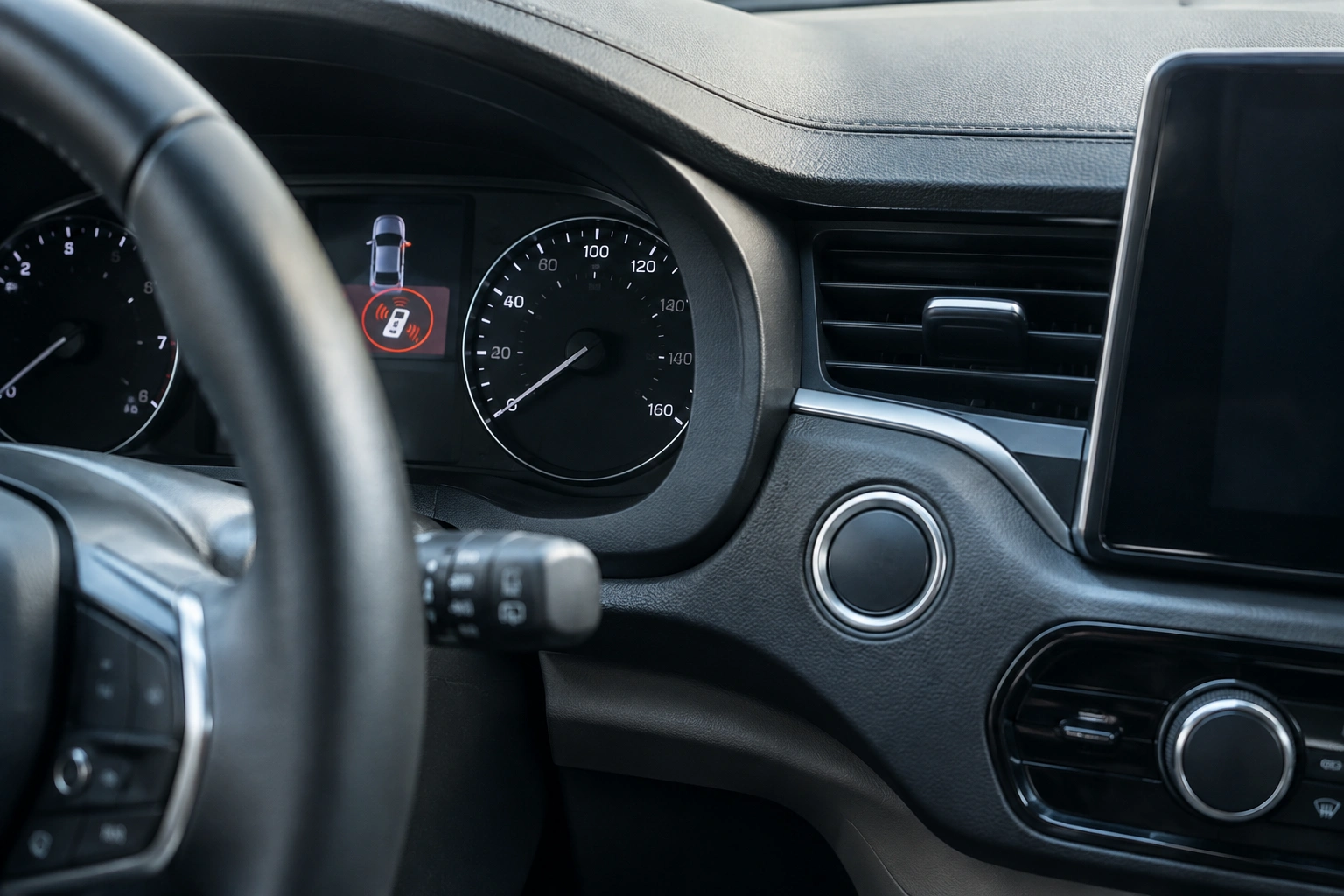
That’s why the warning is annoying but not always a dead end. A driver may still be able to start the vehicle by holding the fob in a specific place, placing it in a designated slot, or following the exact start-button procedure in the owner’s manual.
A quick example: if your doors unlock only when the fob is almost touching the handle, but the car still starts with the backup method, the fob battery is often the first thing to check.
Try These Fast Fixes First
Before you assume the fob failed, try the easy stuff that commonly blocks detection.
Move the fob closer to the start area
Most backup systems rely on very short-range communication. If the fob is in your bag, jacket pocket, or buried under other items, bring it close to the start button or the marked reader area.
Remove obvious interference
Phones, tablets, metal keychains, RFID wallets, and other electronics can interfere with the signal. I’d separate the key fob from everything else, then try again.
Check the brake and start sequence
Many push-button start cars will not crank unless the brake pedal is fully pressed. If the vehicle has a clutch, the clutch must usually be pressed instead. A weak brake press can look like a fob problem when it isn’t.
Try the spare fob
If you have a second fob, use it. That one test can save you from replacing a battery or fob unnecessarily.
Use the Emergency Start or Backup Start Method
The exact method varies by make and model, so your owner’s manual is the final word. But many systems use one of three patterns:
- Hold the fob against the start button
- Place the fob in a marked slot or tray
- Hold the fob near a specific reader location while pressing Start
Here’s the usual process:
- Sit in the driver’s seat with the vehicle in Park.
- Press the brake pedal fully.
- Put the fob in the backup position described in the manual.
- Press the Start/Stop button.
- If the engine does not catch, remove the fob, reposition it, and try once more.
Some vehicles want the fob held flat against the start button itself. Others want it in a console pocket, center tray, or steering-column area. The fob may also need a specific orientation or contact point for the reader to work, and the owner’s manual shows the exact placement. If the car gives a “no key detected” message but starts when the fob is positioned correctly, the backup reader is doing its job.
Where the Backup Reader Is Usually Located
The backup reader is often hidden in one of a few places:
- Directly on or next to the start button
- Inside the center console
- In a tray near the shifter
- Near the steering column
- Inside a marked slot under the dash
The owner’s manual usually shows this clearly. If you don’t have the paper manual, the manufacturer’s online manual is worth checking before you keep guessing. That matters because using the wrong spot can make you think the fob is bad when the car just isn’t being fed the signal where it expects it.
Most Likely Causes, in Order
When a car says the fob is not detected, these are the usual suspects, roughly in the order I’d check them.
1. Weak fob battery
This is the most common and easiest fix. A weak fob battery often shows up first as reduced remote range. You may have to stand closer to unlock the doors before the car finally stops recognizing the fob at all.
2. Signal interference
This is especially likely if the problem comes and goes. A phone, another key fob, a metal case, or even a crowded key ring can interfere.
3. Weak vehicle battery
A low car battery can cause all kinds of weird electrical symptoms, including no-detect warnings, dim lights, clicking, or a sluggish dash. If the car battery is weak, the backup method may not help much.
4. Fob damage or internal failure
If the fob has been dropped, soaked, or cracked, the internal electronics may be failing even if the battery is new.
5. Vehicle-side system issue
Less common, but possible. If multiple fobs stop working and the car battery is healthy, the receiver or related system may need diagnosis.
Dead Fob Battery vs Dead Car Battery vs Interference
Here’s a quick comparison to help you choose the next move.
| Symptom | Weak/Dead Fob Battery | Weak Car Battery | Interference |
|---|---|---|---|
| Door unlock range | Often reduced first | Usually normal or inconsistent | Often normal once moved away |
| Dash warning | Key not detected possible | Multiple electrical warnings possible | Key not detected may come and go |
| Headlights / interior lights | Usually normal | Often dim or slow | Normal |
| Backup start method | Often works | May fail or be inconsistent | Usually works once interference is removed |
| Best next step | Replace fob battery | Test or jump the vehicle battery | Move electronics away and retry |
A useful rule: if the car starts with the backup method but the remote range is poor, the fob battery is a strong suspect. If the dash is dim, the starter clicks, or the car acts electrically weak, think vehicle battery first.
For a broader overview of push-button start troubleshooting, you may also find this guide on key fob not detected with push-button start helpful.
How to Replace the Key Fob Battery
If the symptoms point to a weak fob battery, replacing it yourself is often reasonable. Most fobs open with a small seam, a release tab, or a hidden screw.
A few practical tips:
- Match the battery type exactly to the fob model.
- Take a photo before removing the old battery so the polarity is easy to confirm.
- Don’t force the case open; broken clips are a common DIY mistake.
- If the battery contacts look dirty or bent, clean or inspect them before reassembly.
After the battery swap, test both the remote functions and the start function. If the doors work again but the car still says the fob isn’t detected, the issue may be deeper than the battery.
If you’re dealing with a fresh battery already, this article on why a key fob may not be detected even with a new battery can help narrow it down.
What If the Backup Start Method Still Fails?
If the emergency start method doesn’t work, don’t keep hammering the start button. That can drain a weak vehicle battery even further.
Go through this order:
- Check whether the vehicle battery is completely dead or too weak to power the dash or starter.
- Remove other electronics from the fob.
- Try the spare fob if you have one.
- Confirm the brake pedal is fully pressed.
- Recheck the manual for the exact backup reader location.
If none of that helps, the issue may be beyond a battery swap. At that point, the fob may need replacement, reprogramming, or vehicle-side diagnosis.
If the car battery seemed weak but the engine did start, drive long enough to give the battery a chance to recharge. If the fob range has been fading, plan to replace the fob battery soon.
For general vehicle safety guidance on electrical or starting concerns, the National Highway Traffic Safety Administration is a reliable place to start when you want official consumer information.
When to Consult a Locksmith
A locksmith is often the right call when:
- The fob battery is new but the car still won’t detect it
- The spare fob also fails
- The fob case is damaged
- You need a replacement fob programmed
- The car starts only intermittently and you want a faster solution than a dealership visit
This is especially practical if you’re stranded and need a working fob sooner rather than later. A dealer may still be the best route for some makes, but a locksmith can often be faster for replacement or programming help.
Does This Work on All Vehicles?
No. There is no universal emergency start method that works on every car.
Some vehicles want the fob held against the start button. Others use a console slot or a hidden reader. A few rely on a physical key blade for certain functions but still use a push-button start system. The exact procedure depends on the make, model, and trim level.
That’s why the owner’s manual matters here more than generic advice. If your car has a backup start feature, the manual should show the exact location and sequence.
For a deeper read on how these systems behave when the car won’t start, Edmunds’ ownership and repair resources are a useful reference point for everyday car owners.
Practical Next Step
If your car says the key fob is not detected, use this order:
- Remove interference.
- Try the backup start method.
- Test the spare fob.
- Watch for weak car-battery symptoms.
- Replace the fob battery if the range has been fading.
- Escalate to a locksmith or dealer if the problem keeps returning.
That sequence saves time and avoids replacing parts you don’t need.
FAQ
Will a dead key fob battery still start the car?
Often, yes — if the vehicle has a backup reader or emergency start method. The fob may still be recognized at very close range even when the remote functions are weak.
Where is the emergency start slot?
It depends on the vehicle. Common locations include the center console, a tray near the shifter, the steering column area, or directly on the start button. Check the owner’s manual for the exact spot.
Why does my car say the fob is not detected only sometimes?
Interference, a weak fob battery, or a fob that is failing internally can all cause intermittent detection. A weak car battery can also create inconsistent behavior.
Can I drive after using the backup start method?
Usually yes, if the car starts normally. But if the fob battery is weak or the car battery is failing, fix the root cause soon so you don’t get stranded again.
Should I replace the whole fob first?
Not usually. If the symptoms point to a weak battery or interference, that’s the cheaper and faster thing to check first.
What if both fobs stop working?
That points more toward the vehicle side of the system, a car battery issue, or a broader electrical problem. At that point, professional diagnosis is the smarter move.
