
How to Fix P0118: Coolant Temperature Sensor Code

To fix P0118, scan the code, compare the coolant temperature reading with the cold engine temperature, inspect the coolant temperature sensor connector, test the 5-volt reference and ground, then replace the failed sensor or repair the wiring.
- Start with live scan data.
- Check the connector first.
- Test wiring before parts.
- Clear the code after repair.
- Confirm with a test drive.
You searched how to fix P0118 because the check engine light is on, and you want a clear repair path without wasting money on the wrong part.
The P0118 code means the engine control module sees a high signal from the engine coolant temperature sensor circuit. This takes about 8 minutes to read.
The key point is simple: P0118 is a circuit code before it is a sensor code. Replacing the coolant temperature sensor first can work, but only after the connector and wiring pass basic checks.
P0118 Code Meaning and Why It Happens
P0118 means the engine coolant temperature sensor circuit is sending a signal that reads too high to the ECM or PCM.
That high signal often makes the computer believe the engine is colder than it is. A cold reading changes fuel delivery, idle speed, fan operation, and starting behavior.
The engine coolant temperature sensor is a negative temperature coefficient sensor. As coolant temperature rises, sensor resistance drops, and the computer reads the change as temperature data.
Tip: A scan tool reading near -40°F or far below ambient temperature points strongly toward an open circuit, bad connector, or failed ECT sensor.
Manufacturer service information from Mitsubishi explains that the ECM supplies a 5-volt reference to the coolant temperature sensor and checks whether that signal stays in range. You can review the service logic here: Mitsubishi P0118 circuit diagnosis.
The next step is not guessing. The next step is proving whether the fault sits in the sensor, connector, wiring, coolant system, or control module.
Fix P0118 in the Right Order
The correct way to fix P0118 is to diagnose from easiest and most likely to harder and less likely.
Start with the scan tool because it shows what the computer thinks the coolant temperature is. Then inspect the coolant level, sensor plug, wiring, and voltage readings.
- Read all stored and pending codes.
- Check live coolant temperature data.
- Inspect coolant level and visible leaks.
- Inspect the ECT sensor connector.
- Test 5-volt reference and ground.
- Replace the sensor only after testing.
- Clear the code and test drive.
This order prevents the most common mistake: replacing the engine coolant temperature sensor when the real fault is a broken wire or corroded connector.
Check Scan Data Before Replacing the Sensor
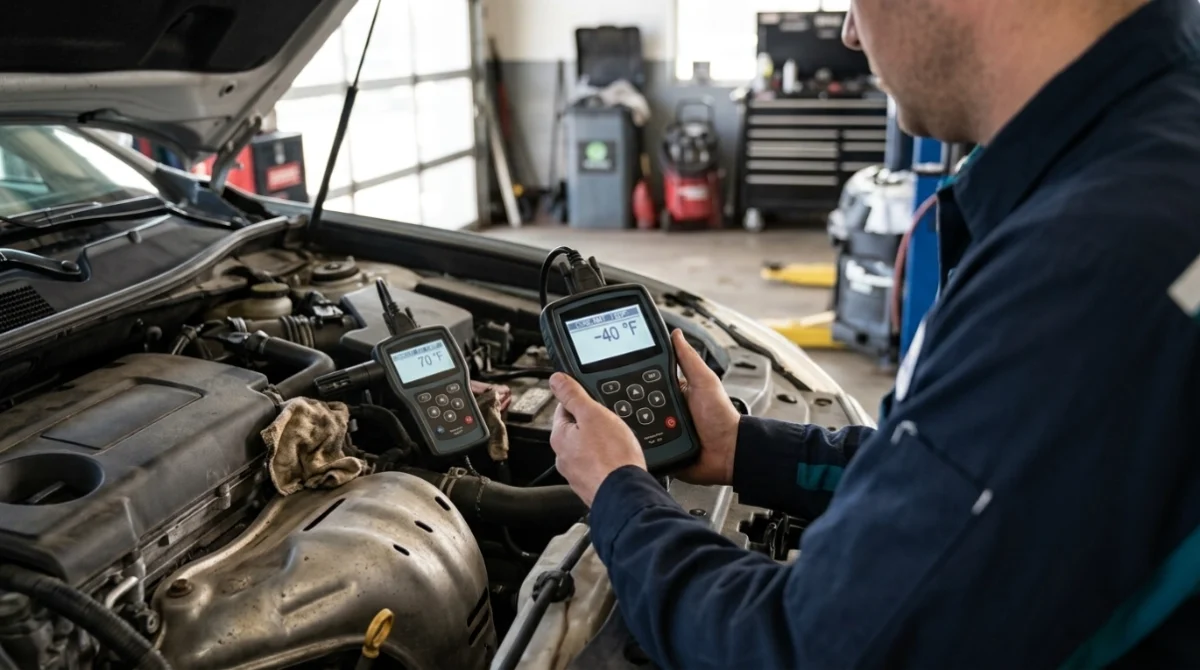
Scan data tells you whether the P0118 code is active, intermittent, or caused by a false reading.
With the engine cold, the coolant temperature reading should be close to the outside air temperature. A large gap shows the computer receives bad data before the engine even warms up.
For example, if the car sat overnight and the outside temperature is 70°F, the scan tool should show a similar coolant reading. A reading of -40°F points toward an open circuit.
| Scan Tool Reading | Likely Meaning | Next Check |
|---|---|---|
| Near -40°F | Open sensor circuit | Connector, wiring, sensor |
| Close to ambient | Sensor reading looks normal | Intermittent wiring fault |
| Jumps while wiggling harness | Loose connection or broken wire | Repair connector or harness |
| Reads hot all the time | Different circuit problem | Check related codes |
The table shows why live data matters. One number can separate a bad coolant temperature sensor from a wiring problem.
Inspect the Coolant Temperature Sensor Connector
The ECT sensor connector fails often because it sits near heat, coolant, vibration, and oil residue.
Look for green corrosion, loose terminals, cracked plastic, coolant inside the plug, broken locking tabs, and stretched wires. A loose connector can trigger P0118 even when the sensor is good.
You might think a connector either works or fails. In practice, heat makes weak terminals expand, lose contact, and create an intermittent high signal.
Warning: Do not clear P0118 and send the car back on the road without checking the connector. The code can return once the engine bay heats up.
Clean light corrosion with proper electrical contact cleaner. Replace the connector pigtail if terminals are loose, melted, or coolant-soaked.
After the connector passes inspection, the next question is whether the circuit has the correct voltage and ground.
Test the 5-Volt Reference and Ground
P0118 diagnosis needs a voltage test because the sensor cannot report correctly without reference voltage and ground.
Most ECT circuits use a 5-volt reference from the ECM or PCM. The ground side returns the signal path that lets the computer calculate coolant temperature.
With the key on and the sensor connector unplugged, many vehicles show near 5 volts on the reference wire. The exact spec depends on the vehicle service manual.
- No 5-volt reference means an open reference wire.
- No ground means an open ground circuit.
- Good voltage and ground point back to the sensor.
- Voltage that changes when wires move points to harness damage.
What most people don’t think to ask is whether the wiring fails under movement. A harness can test fine while still and fail when the engine vibrates.
Move the harness gently while watching live coolant temperature data. If the reading jumps, repair the wiring before replacing the sensor.
Replace the ECT Sensor When Testing Points There
Replace the engine coolant temperature sensor when scan data, connector checks, and circuit tests point to sensor failure.
The sensor usually threads into a coolant passage near the cylinder head, thermostat housing, or intake area. Let the engine cool before removing it because hot coolant can burn skin fast.
Use the correct replacement sensor for the exact year, make, model, and engine. A similar-looking sensor can use a different resistance curve and send wrong temperature data.
- Let the engine cool fully.
- Disconnect the battery if required.
- Remove the sensor connector.
- Drain enough coolant to prevent spills.
- Replace the sensor and seal.
- Refill coolant and bleed air.
- Clear codes and monitor live data.
Bleeding air matters because trapped air can keep coolant away from the sensor tip. That creates unstable readings and can bring symptoms back.
The repair is complete only when live data rises smoothly as the engine warms up.
What Most People Get Wrong About P0118
Most P0118 repair mistakes come from treating the code as a part name instead of a circuit problem.
The code names the affected circuit. It does not prove the sensor alone caused the fault.
Replacing the sensor without testing
A new sensor will not fix an open wire, weak ground, damaged plug, or coolant-contaminated connector.
This mistake costs time because the same check engine light returns after the next drive cycle. Test first, then buy parts.
Ignoring low coolant or trapped air
Low coolant can create unstable sensor behavior because the sensor needs steady contact with coolant.
Air pockets also confuse temperature readings after a sensor replacement. Refill and bleed the cooling system the right way.
Assuming the car is safe because it runs
A car can run with P0118 while the ECM uses backup temperature logic.
That backup strategy protects the engine enough to move the car, but it can increase fuel use, rough idle, and starting issues. The California Air Resources Board explains that OBD II stores malfunction data to help technicians find and repair faults through the OBD II warning light system.
Can You Drive With P0118?
You can drive a short distance with P0118 if the engine is not overheating and the check engine light is not flashing.
Do not keep driving for days. Bad coolant temperature data can cause rich fuel mixture, rough running, poor fuel economy, and cooling fan problems.
If the temperature gauge rises, coolant leaks, steam appears, or the engine smells hot, stop driving. Overheating can damage the head gasket, cylinder head, and radiator system.
Decision block:
- If the car starts rough cold, check scan data first.
- If fans run nonstop, inspect the ECT circuit.
- If coolant is low, repair leaks before sensor testing.
- If wiring is damaged, repair wiring before replacing parts.
The safest repair path is simple: confirm the code, test the circuit, fix the proven failure, then confirm the scan data.
Repair Cost to Fix P0118
The cost to fix P0118 depends on whether the fault is the sensor, connector, wiring, coolant service, or control module.
A coolant temperature sensor is usually less expensive than wiring diagnosis. Labor changes based on sensor location and whether coolant bleeding is required.
| Repair | Typical Cost Range | When Needed |
|---|---|---|
| ECT sensor replacement | $80–$250 | Sensor fails resistance or scan test |
| Connector pigtail repair | $100–$300 | Plug is corroded or loose |
| Wiring repair | $150–$450 | Open circuit or damaged harness |
| Coolant refill and bleed | $80–$180 | Coolant was drained or air entered |
The lowest-cost repair is the one confirmed by testing. Guessing makes a cheap P0118 repair expensive.
How to Confirm the P0118 Repair Worked
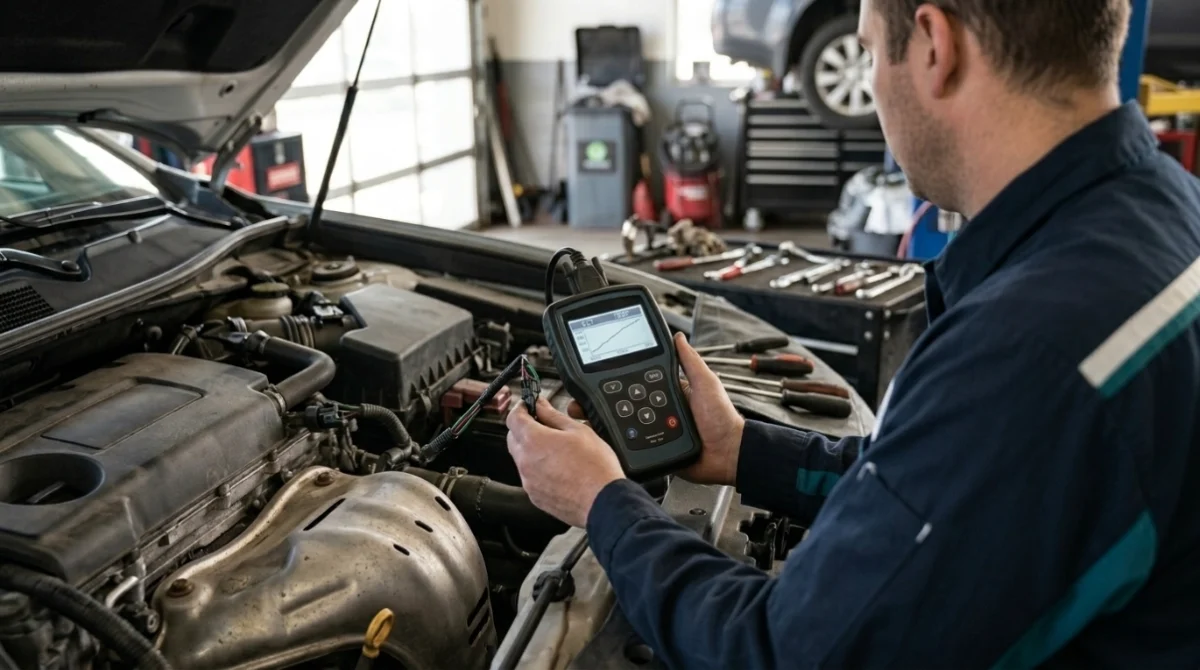
The P0118 repair worked when the coolant temperature reading matches reality and the code stays cleared after a drive cycle.
Start the engine cold and watch live coolant temperature. The number should rise smoothly as the engine warms, without sudden drops or spikes.
Check that the radiator fans behave normally. Fans that run nonstop after repair can mean the computer still distrusts coolant temperature data.
- Cold reading matches ambient temperature.
- Warm reading rises in a steady pattern.
- No wiring movement changes the reading.
- No pending P0118 code returns.
- No coolant leak appears after warm-up.
Clear the code only after the fix. Clearing the code before diagnosis removes clues and makes intermittent faults harder to catch.
The best way to fix P0118 is to test the coolant temperature sensor circuit before replacing the sensor.
A clean scan-data pattern after repair proves the ECM now receives believable engine temperature information.
Open your scan tool now and compare cold coolant temperature with outside air temperature.
Frequently Asked Questions
What causes P0118 after replacing the sensor?
P0118 after sensor replacement usually means the connector, wiring, ground, or coolant bleed still has a problem. Recheck the plug terminals, 5-volt reference, ground continuity, and live scan data before buying another sensor.
Can low coolant cause a P0118 code?
Low coolant can contribute to bad temperature readings when the sensor tip does not stay covered by coolant. The main P0118 trigger is electrical signal range, so check coolant level and then test the circuit.
Will P0118 make my car hard to start?
Yes, P0118 can make cold starts harder because the ECM receives incorrect engine temperature data. The computer can add too much fuel, change idle control, or use backup logic until the fault is repaired.
How do I reset P0118 after fixing it?
Reset P0118 with an OBD-II scan tool after the repair is complete. Then drive the vehicle and check pending codes because a returning pending P0118 means the fault still exists.
Is P0118 the same as P0128?
No, P0118 is an engine coolant temperature sensor circuit high code. P0128 usually points to coolant temperature staying below the thermostat regulating range, so diagnosis focuses more on thermostat operation.
