
10 Best OBD2 Scanner With Smog Check Readiness 2026

A check engine light before a smog test is a special kind of dread. It might be a loose gas cap, or it might be a catalytic converter that just cost you an inspection appointment and a return trip fee. An OBD2 scanner takes the guesswork out of that moment, letting you read the fault code and, more importantly, check whether your vehicle’s emissions monitors have finished running.
That second part trips up a lot of first-time buyers. Reading a code and clearing a code are basic functions found on almost every scanner sold today. Confirming I/M readiness, the status that tells a testing station your car’s onboard monitors have completed their self-checks, is a more specific feature, and not every budget tool displays it clearly. Some scanners bury it in a menu; the better ones give it a dedicated button and a plain red/yellow/green indicator.
The scanners that earn a spot on this list all report readiness status in a way a non-mechanic can actually interpret, not just a raw data string that needs translating. We looked at code coverage, live data quality, build quality, and whether each tool needs an app, a phone, or nothing at all. Vehicle coverage matters too: a scanner that works beautifully on a Honda but chokes on a Ford isn’t worth the money if that’s what’s in your driveway.
Best for Bluetooth convenience: BlueDriver OBD2 Scanner
Best for professional-level live data: FOXWELL NT301
Best budget wired scanner: VDIAGTOOL VD10
Best for used-car buyers: Autel AL319
Best for battery and performance testing: AUTOPHIX 3210
Best overall value: ANCEL AD310
Best compact no-frills reader: FOXWELL NT201
Best for data logging and playback: CGSULIT SC204
Best color screen on a budget: CGSULIT SC103
Best made-in-USA option: BLCKTEC 440
BlueDriver OBD2 Scanner
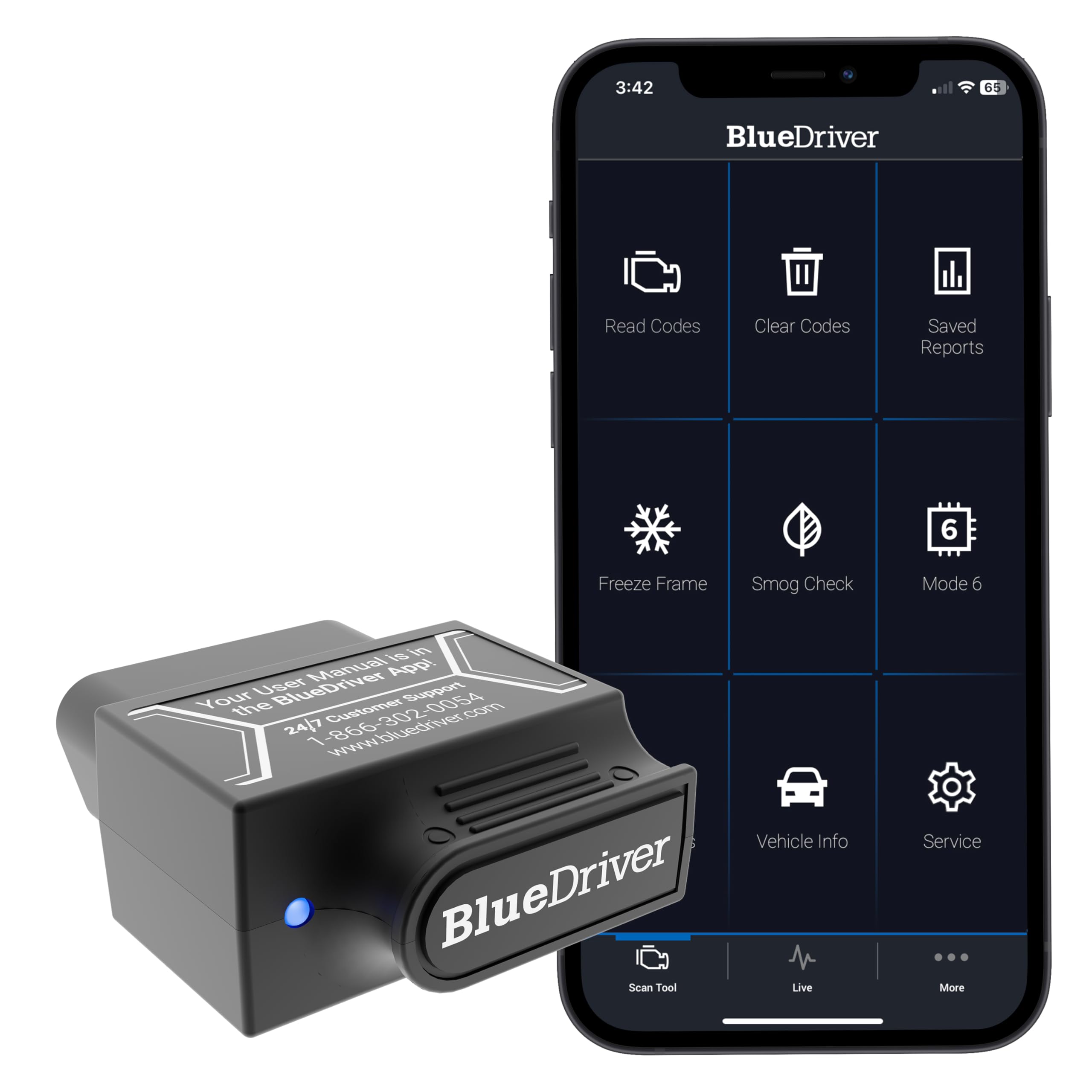
Buy this if you want the closest thing to a shop-grade scan tool that still fits in a glovebox.
Pros
- Reads ABS, SRS, and TPMS codes beyond basic engine diagnostics
- Technician-verified repair reports tied to your VIN
- No subscription or account required
Cons
- Requires a phone and Bluetooth connection to operate
- Priced higher than basic code readers
This is a Bluetooth puck that pairs with a phone app, and the readiness monitor display is one of its strongest features. It shows each monitor status clearly (ready, not ready, or not applicable), which is exactly what a pre-smog check needs. The repair report database, pulling from real technician fixes, helps separate a $20 gas cap issue from a $1,200 catalytic converter problem.
Coverage extends well past generic OBD2 into manufacturer-specific systems for GM, Ford, Toyota, Honda, and others. That depth is rare at this price. The only real trade-off is dependency on a smartphone; drivers who want a scanner that works with dead phone batteries or no data plan should look at a wired option instead.
FOXWELL NT301

Buy this if live sensor graphing matters as much to you as clearing a code.
Pros
- Dedicated one-click I/M readiness hotkey with color LED status
- Live data graphing for O2 sensors, fuel trims, and RPM
- Large color screen readable in daylight
Cons
- No Bluetooth; wired connection only
- Menu navigation takes some learning on first use
The NT301 puts readiness testing front and center with a hotkey and a red-yellow-green light, so there’s no digging through submenus before a smog appointment. EVAP leak checks and O2 sensor tests go beyond what a basic code reader offers, useful for chasing down fuel economy issues, not just clearing a light.
Live data graphing is genuinely useful for spotting a misfire or lazy oxygen sensor in real time. The screen and buttons feel built for someone who wants more than a one-and-done code check, closer to a mechanic’s diagnostic habits than a casual glance.
VDIAGTOOL VD10
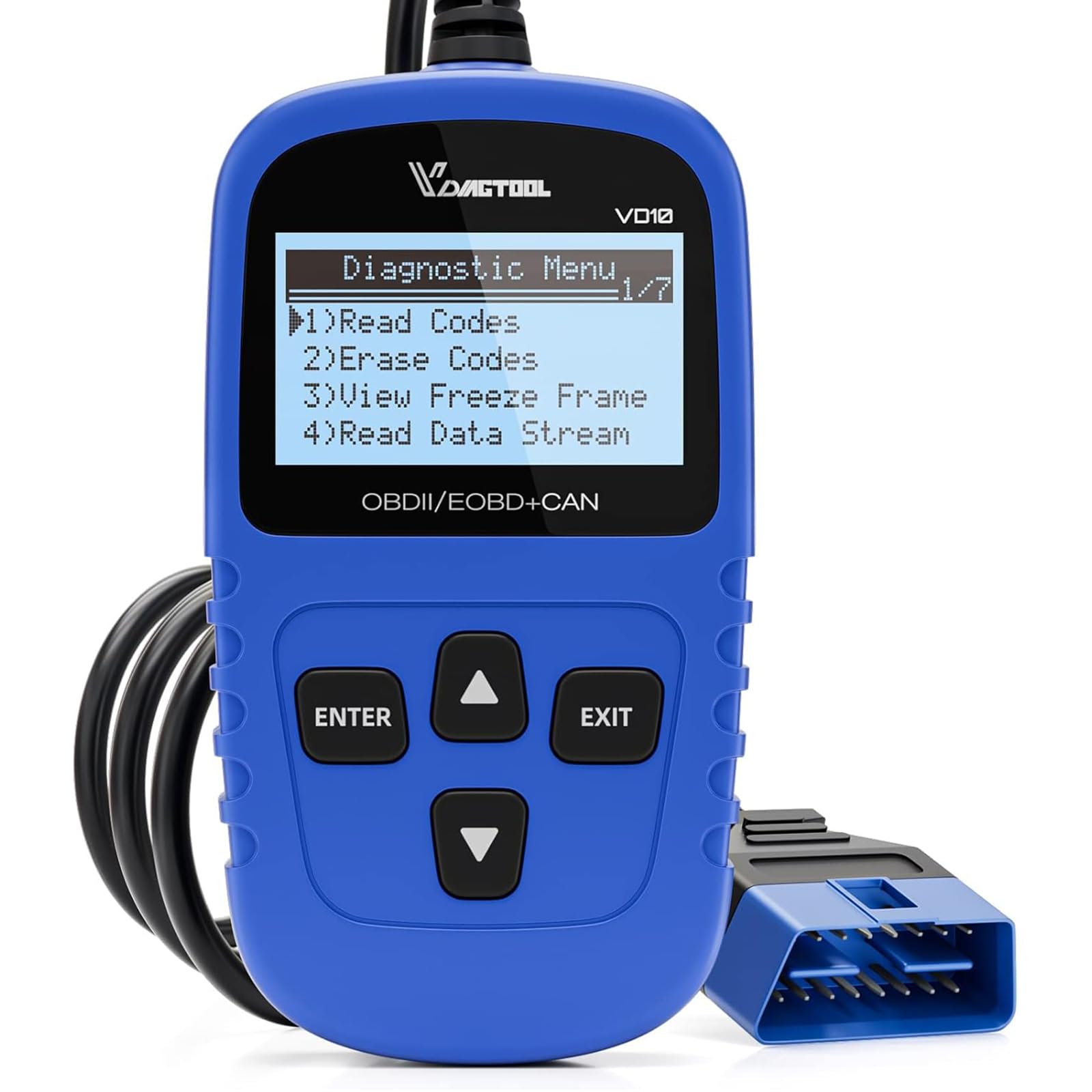
Buy this if you want a no-nonsense wired scanner for a low price and don’t need a color display.
Pros
- Reads I/M readiness, freeze frame, and live data
- Long, multi-year manufacturer warranty
- Retrieves VIN and calibration IDs, handy for used-car checks
Cons
- Small monochrome screen with limited resolution
- No manufacturer-specific enhanced codes
The VD10 covers the basics a pre-smog check actually needs: generic codes, readiness monitors, and freeze frame data. It pulls VIN and calibration verification numbers too, which is a nice bonus for anyone buying a used vehicle and wanting to confirm the ECU matches the title.
The 2-line display is where the compromise shows. It works, but scrolling through data feels dated next to color-screen competitors. For a driver who just needs to confirm readiness monitors before a test and clear a code afterward, it does the job without frills.
Autel AL319

Buy this if you’re inspecting a used car before purchase and want a trusted, no-subscription brand name.
Pros
- One-click I/M readiness with TFT color display
- Broad protocol support across US, European, and Asian vehicles
- Established brand with long track record
Cons
- Live data feed feels basic compared to higher-tier models
- Screen size runs small
Autel built its reputation on professional-grade tools, and the AL319 carries that reliability into an entry-level reader. The one-click readiness function does what it promises: a quick readout showing which monitors are complete before a smog visit.
It handles generic powertrain codes well but doesn’t reach into ABS or SRS systems, so anyone chasing a dashboard warning light beyond the check engine light needs a different tool. For code reading, clearing, and readiness confirmation on a budget, it remains a dependable pick with wide vehicle compatibility.
AUTOPHIX 3210
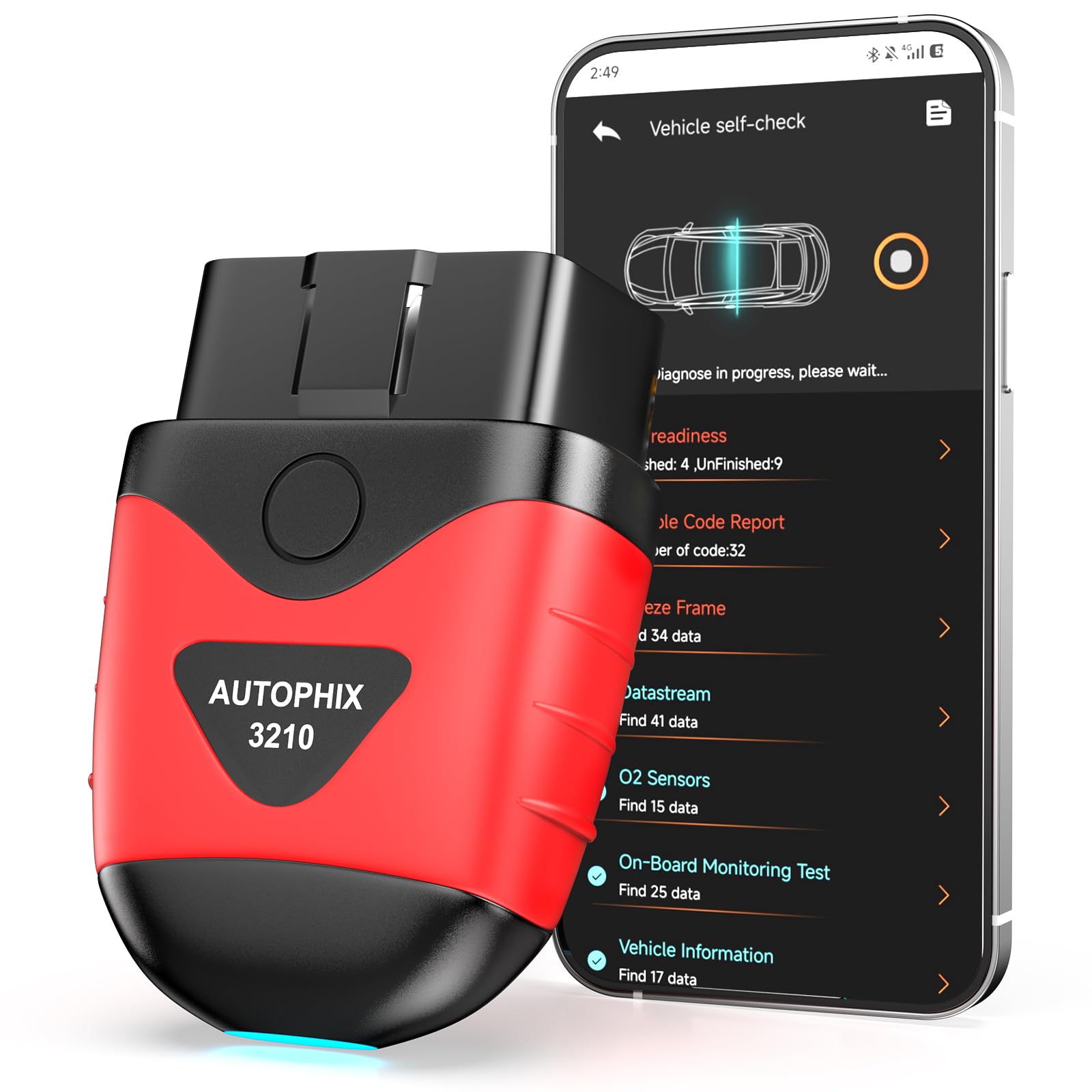
Buy this if you want smog readiness checks plus a battery health test in one device.
Pros
- I/M readiness test runs from the app at home
- Battery and 0-60 performance testing included
- Free app with no subscriptions or ads
Cons
- Does not read ABS, SRS, or transmission codes
- Requires phone pairing for full functionality
The 3210 is built around DIYers who want more than a code clear. It runs a home I/M readiness check ahead of a smog appointment, monitors EVAP and O2 sensor status, and throws in a battery voltage test that catches a weak charging system before it strands you.
The 0-60 test is a fun extra for verifying a repair actually improved performance, though it won’t replace a scan tool for ABS or airbag codes. This one stays focused on engine and emissions systems, which is exactly what a smog check cares about.
ANCEL AD310

Buy this if you want a proven, widely recommended reader that covers I/M readiness without complication.
Pros
- I/M monitor readiness built into the core function set
- Sturdy cable and compact housing
- Strong, long-standing reputation among DIY mechanics
Cons
- Emission-related codes only, no ABS or SRS
- Small screen limits live data usefulness
The AD310 has earned its reputation as a go-to first scanner, and readiness monitor checking is part of why. It reads and clears emissions codes cleanly and shows I/M status without requiring a phone or app, plugging in and working immediately.
Its limitation is scope: this reads powertrain and emissions data only, not brake or airbag systems. For a driver whose main concern is passing a smog test and understanding a check engine light, that narrow focus is exactly the point.
FOXWELL NT201

Buy this if you want a compact, dedicated reader with a one-key readiness check and nothing extra to manage.
Pros
- One-key I/M readiness hotkey with color-coded LEDs
- Live O2 sensor test mode on CAN protocol vehicles
- No app, account, or subscription needed
Cons
- Engine and emissions systems only
- Not compatible with electric vehicles or 24V trucks
The NT201 strips the process down to plug in, power on, and check readiness. The hotkey and LED indicators mean there’s no ambiguity about whether the car is ready for its smog appointment.
Live data covers RPM, coolant temp, and O2 sensor readings on a 2.4-inch color screen, enough to catch an obvious sensor issue without needing a laptop-level tool. It won’t touch ABS or transmission codes, so treat it as an engine and emissions specialist.
CGSULIT SC204

Buy this if you want to record and replay live data for tracking an intermittent issue over time.
Pros
- One-click I/M readiness plus large built-in DTC library
- Records and plays back live data streams
- Supports 10 languages
Cons
- Some newer or less common vehicles show limited coverage
- Interface feels dated compared to touchscreen tools
The SC204’s standout feature is data logging: recording live parameters and playing them back later makes catching an intermittent misfire or sensor glitch far easier than watching a live feed in real time. Readiness testing is a single click, with the same clear status reporting found on its sibling models.
The built-in DTC database means code lookups happen instantly without needing a phone signal. Vehicle coverage runs slightly narrower on some newer platforms, worth checking against your specific make before buying.
CGSULIT SC103

Buy this if you want a bright color screen and battery voltage testing without paying for extras you won’t use.
Pros
- 2.8-inch color screen with graphical data display
- Built-in DTC library works without internet access
- Includes battery voltage test
Cons
- Button layout requires scrolling through menus
- No manufacturer-specific enhanced codes
The SC103’s color screen is a genuine upgrade over the monochrome budget readers on this list, showing text and graphs simultaneously so trends in coolant temp or RPM are easier to spot. Readiness monitor checks and freeze frame data cover what a smog test actually requires.
Battery voltage testing is a useful add-on for catching a failing alternator before it leaves you stranded. Navigation relies on physical buttons rather than a touchscreen, which some users find slower than app-based tools.
BLCKTEC 440

Buy this if you want mechanic-endorsed reliability with readiness hotkeys and printer-compatible reporting.
Pros
- I/M readiness hotkeys with color-coded LED status
- Live data graphing for deeper diagnostic review
- Assembled and supported domestically with responsive service
Cons
- Connection cable runs shorter than some competitors
- Limited to engine and emissions systems
The 440 pairs a vibrant 2.8-inch screen with the same readiness hotkey approach found on the better wired scanners here, making pre-smog checks fast. Live data graphing adds depth for anyone chasing a rough idle or fuel trim problem.
The short cable is a minor annoyance in larger vehicles, forcing an awkward reach to the dashboard port. Printer compatibility for sharing reports is a nice touch for anyone documenting a repair for a shop or a used-car sale.
Buying Guide
Understand What “Smog Readiness” Actually Means
I/M readiness monitors are self-tests your vehicle’s computer runs on components like the catalytic converter, oxygen sensors, and EVAP system. A test station checks these monitors, not just whether the check engine light is off.
Clearing a code resets these monitors to “not ready,” and driving pattern determines how long it takes them to complete again, often several days of mixed highway and city driving. A scanner that shows monitor status clearly prevents a wasted trip to the test station.
Code Reading vs. True Readiness Checking
Every scanner on the market reads and clears codes. Far fewer make readiness status obvious.
| Feature | What It Tells You | Why It Matters for Smog Testing |
|---|---|---|
| Generic DTC read/clear | Why the check engine light is on | Confirms the underlying issue, not test readiness |
| I/M readiness monitor status | Which emissions systems have completed self-tests | Directly predicts pass/fail eligibility at the station |
| Live data stream | Real-time sensor values | Helps diagnose why a monitor won’t complete |
| Freeze frame | Conditions when the fault occurred | Useful for intermittent problems |
Bluetooth vs. Wired Scanners
Bluetooth models pair with a smartphone app and tend to offer richer graphics, repair databases, and software updates. Wired handheld units power on independently, need no app, and work the moment they’re plugged in, appealing to drivers who don’t want a diagnostic tool tied to a phone’s battery or data plan.
Vehicle Coverage and System Depth
Basic OBD2 readers handle generic powertrain codes on any 1996-or-newer gas vehicle sold in the US. Enhanced models add manufacturer-specific codes and sometimes ABS, SRS, or TPMS systems, useful for a used-car inspection where a dashboard warning light isn’t engine-related.
Screen, Interface, and Extras
A color screen with graphing makes live data far easier to interpret than a 2-line monochrome display. Extras like battery voltage testing, VIN lookup, and data recording add real value for a small cost difference, while subscription-based apps add ongoing cost that a one-time-purchase tool avoids entirely.
Editor’s Choice
The BlueDriver OBD2 Scanner stands out as the strongest all-around pick for anyone serious about pre-smog diagnostics. Its readiness monitor display is clear, its repair report database helps distinguish a minor fix from a major one, and its coverage of ABS, SRS, and TPMS systems goes well beyond what a smog test alone requires.
For a driver who wants a dedicated wired tool with no phone dependency, the FOXWELL NT301 is the runner-up. Its readiness hotkey and live data graphing rival the BlueDriver’s capability, minus the Bluetooth convenience.
Budget shoppers do well with the ANCEL AD310, a reliable reader that nails the core readiness-check function without unnecessary extras.
Conclusion
A smog test failure over an incomplete readiness monitor is an avoidable headache, and the right scanner turns a guessing game into a five-minute driveway check. The devices covered here range from simple wired code readers to Bluetooth tools with full repair databases, and the right choice depends on whether you want app-based convenience, ABS and SRS coverage, or a no-frills tool that just confirms readiness and clears a code.
Buy based on what your vehicle needs and how deep you want to go beyond the check engine light. A $30 wired reader handles a basic pre-test check fine; a used-car buyer or a driver chasing an intermittent problem benefits from the added depth of live data graphing and manufacturer-specific codes.
FAQS
Will clearing a code reset my smog readiness monitors? Yes. Clearing any trouble code resets the I/M readiness monitors to “not ready,” and they need a period of normal driving, often several days, to complete again before a test station will accept the vehicle.
Can any OBD2 scanner guarantee my car will pass smog? No scanner can guarantee a pass. A scanner confirms whether monitors have completed and whether any active codes exist, but final testing equipment at the station measures actual emissions output.
Do I need a Bluetooth scanner or will a wired one work fine? A wired scanner works fine for basic code reading and readiness checks. Bluetooth models add convenience through phone-based repair databases and richer data visualization, useful but not required for a simple pre-test check.
What’s the difference between a basic code reader and an enhanced scanner? Basic readers handle generic powertrain codes tied to the check engine light. Enhanced scanners add manufacturer-specific codes and sometimes ABS, SRS, or TPMS systems, useful for diagnosing dashboard warnings unrelated to emissions.
How long before a smog test should I check readiness monitors? Check at least a week before your appointment. If a monitor shows “not ready,” driving the recommended drive cycle (a mix of highway and stop-and-go driving) for several days typically allows it to complete.
