
P0161 Oxygen Sensor Heater Circuit Bank 2 Sensor 2 Causes Explained

The P0161 code means the oxygen sensor heater circuit in Bank 2 Sensor 2 is not working correctly. This usually points to a failed rear O2 sensor heater, damaged wiring, or a blown fuse affecting heater power. It leads to poor emissions readings and slow engine feedback during cold starts.
Your engine may still run normally, but fuel efficiency and emissions control will suffer. This guide explains every cause, symptom, and fix in a clear, practical way so you can diagnose it correctly.
This takes about 8–10 minutes to read.
What P0161 Code Actually Means
P0161 indicates a malfunction in the oxygen sensor heater circuit for Bank 2 Sensor 2. The heater inside the sensor fails to reach proper operating temperature quickly, which delays emissions monitoring.
Bank 2 refers to the engine side without cylinder #1. Sensor 2 is the downstream O2 sensor after the catalytic converter.
This sensor is critical because it monitors catalytic converter efficiency. Without a working heater, the sensor responds too slowly, triggering the check engine light.
Main Causes of P0161 Code
The most common cause of P0161 is a failed oxygen sensor heater element. However, several electrical and mechanical issues can trigger the same code.
In many vehicles, the sensor itself accounts for over 70% of cases. Still, wiring and fuse issues should always be checked first.
- Faulty downstream oxygen sensor
- Blown O2 heater fuse
- Damaged wiring harness or connectors
- Corroded terminals
- ECU driver circuit failure (rare)
A real-world example: many Toyota and Honda models show P0161 after 80,000–120,000 miles due to heater element burnout.
Symptoms of P0161 Code
Most drivers notice only a check engine light at first. However, deeper symptoms appear over time if the issue is ignored.
The ECU relies on oxygen sensor feedback for fuel adjustment. When delayed, fuel trims become less accurate.
- Check engine light stays on
- Increased fuel consumption
- Rough cold starts in some cases
- Failed emissions test
- Delayed engine sensor response
You might think performance is unaffected, but fuel efficiency drops slowly over time without obvious warning.
How Oxygen Sensor Heater Works
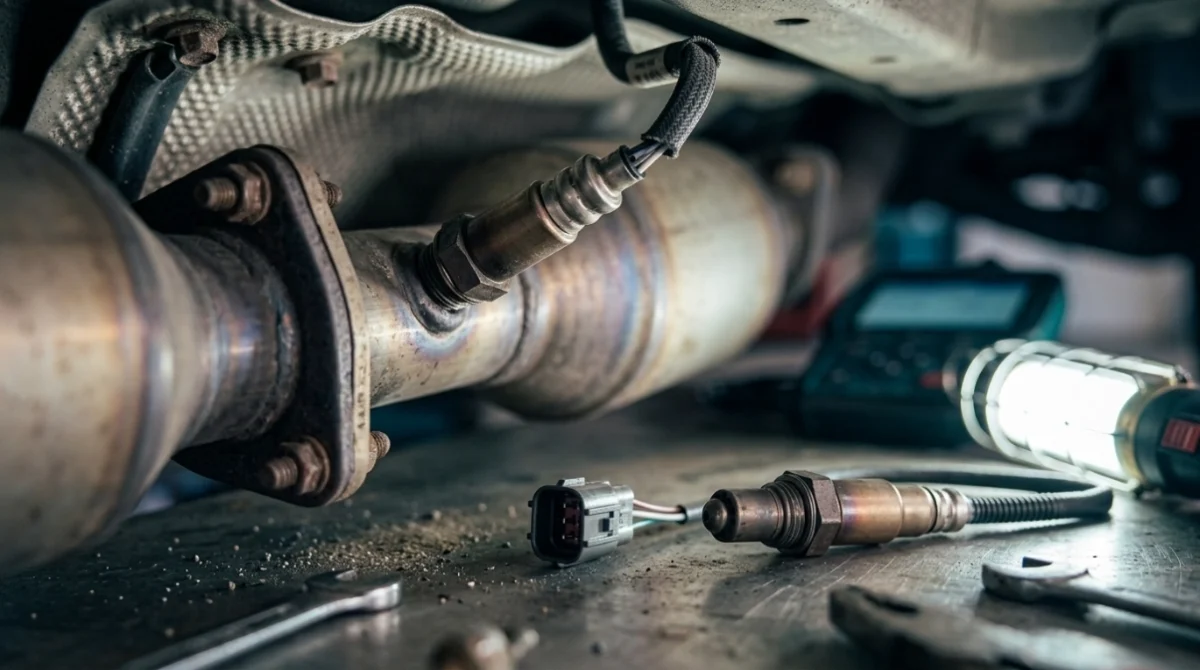
The heater inside the oxygen sensor brings it to operating temperature quickly. This allows accurate readings within seconds of starting the engine.
Without the heater, the sensor relies only on exhaust heat, which is too slow during cold starts.
Modern engines use heated oxygen sensors to reduce emissions faster and improve fuel control immediately after ignition.
| Component | Function | Failure Impact |
|---|---|---|
| Heater Element | Warms sensor quickly | P0161 trigger |
| Wiring Harness | Supplies voltage | No heater power |
| ECU Control | Regulates heating | System shutdown |
The heater circuit is simple but critical for emissions compliance.
Step-by-Step Diagnosis of P0161
Proper diagnosis prevents unnecessary sensor replacement. Many cases are fixed with simple electrical repairs instead of replacing parts.
- Scan and confirm P0161 code
- Inspect fuse related to O2 heater circuit
- Check wiring near exhaust system
- Measure sensor resistance with multimeter
- Test voltage supply to heater circuit
A healthy heater circuit usually shows low resistance (3–20 ohms depending on vehicle).
If resistance is infinite, the heater inside the sensor is broken.
Common Mistakes in Diagnosing P0161
Many mechanics replace the oxygen sensor too early. This leads to unnecessary repair costs.
The real issue is often external, not the sensor itself.
What most people get wrong is ignoring wiring damage near the exhaust. Heat exposure frequently melts insulation.
- Replacing sensor without testing fuse
- Ignoring wiring harness condition
- Skipping resistance measurement
Always confirm electrical supply before buying a new sensor.
Cost to Fix P0161 Code
Repair cost depends on whether the sensor or wiring is faulty. Simple electrical fixes are cheap, but sensor replacement increases cost.
Most vehicles fall within a predictable repair range.
| Repair Type | Estimated Cost |
|---|---|
| Fuse replacement | $10 – $40 |
| Wiring repair | $50 – $150 |
| O2 sensor replacement | $120 – $350 |
| ECU repair (rare) | $300 – $900 |
Labor cost increases if the sensor is hard to access under the vehicle.
Can You Drive With P0161?
Yes, you can drive with P0161, but it is not ideal long-term. The engine will still operate normally in most cases.
However, fuel efficiency drops and emissions control becomes inaccurate.
If ignored for months, it may contribute to catalytic converter stress due to improper fuel mixture corrections.
How to Fix P0161 Permanently
The permanent fix depends on accurate diagnosis, not guesswork. Replacing parts without testing often leads to repeat failure.
Start with electrical checks before replacing the sensor.
- Replace blown fuse if present
- Repair damaged wiring near exhaust
- Clean corroded connectors
- Replace oxygen sensor if heater is dead
- Reset ECU and retest system
A correct repair usually resolves the issue immediately after clearing the code.
What Most People Get Wrong About P0161
Many assume P0161 always means a bad oxygen sensor. This is not always true.
Electrical issues are equally common, especially in older vehicles exposed to heat and moisture.
- Belief: Sensor is always faulty
- Reality: Wiring issues are equally common
- Belief: Code affects engine performance heavily
- Reality: Mostly emissions-related issue
Correct diagnosis saves money and prevents unnecessary part replacement.
Preventing Future O2 Heater Failures
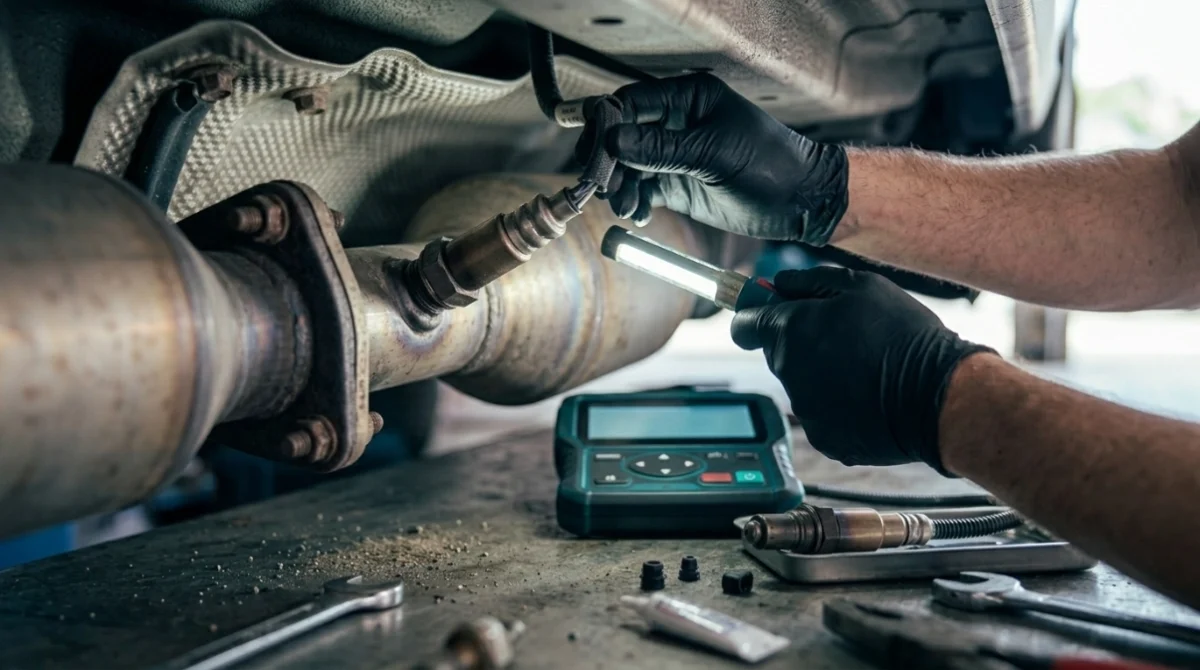
Oxygen sensor heater failure is often preventable with simple maintenance habits. Heat and corrosion are the biggest enemies.
Protecting wiring near the exhaust extends sensor life significantly.
- Avoid water exposure under vehicle
- Inspect exhaust heat shields regularly
- Fix oil leaks early
- Use quality replacement sensors
High-quality sensors last significantly longer than cheap aftermarket versions.
P0161 is primarily caused by oxygen sensor heater failure or wiring issues in Bank 2 Sensor 2.
Early diagnosis prevents unnecessary sensor replacement and reduces repair cost significantly.
Start with fuse and wiring inspection before replacing any parts.
Frequently Asked Questions
Is P0161 serious?
P0161 is not immediately serious for engine operation, but it affects emissions control. Over time, it may reduce fuel efficiency and cause failed emissions tests. It should be fixed early to avoid long-term issues.
Can bad fuel cause P0161?
No, bad fuel does not directly cause P0161. This code is strictly related to the oxygen sensor heater circuit. However, poor combustion may indirectly stress emissions systems over time.
How long does it take to fix P0161?
Repair time depends on the issue. Fuse or wiring fixes take under an hour. Oxygen sensor replacement usually takes 30–90 minutes depending on accessibility.
Will P0161 clear itself?
No, P0161 will not clear itself unless the underlying electrical or sensor issue is fixed. Even if the light temporarily disappears, it will return after driving cycles.
Can I pass emissions with P0161?
Most likely no. Since the oxygen sensor heater is part of emissions monitoring, this code usually causes emissions test failure until repaired.
