
10 Best OBD2 Scanner With Live Data for Oxygen Sensor Testing: Top Picks for Accurate Diagnostics

An OBD2 scanner reads fault codes from a vehicle’s computer and can show live data while the engine runs. This information helps us check fuel trim, engine temperature, airflow, and oxygen sensor activity without relying only on a dashboard warning light.
Scanners with live data are especially useful for testing oxygen sensors. The best models display sensor voltage or air-fuel ratio changes in real time, refresh data quickly, and support the vehicle’s required OBD2 protocols. We should also consider graphing tools, code definitions, data recording, ease of use, and compatibility with newer vehicles before buying.
We compared scanners that make oxygen sensor testing clear and practical, then selected the models that offer the most useful live data for home diagnosis and routine vehicle maintenance.
Best OBD2 Scanners With Live Data for Oxygen Sensor Testing
We reviewed OBD2 scanners that display live oxygen sensor data and support accurate vehicle diagnostics. Our list focuses on models with clear readings, broad vehicle compatibility, and useful testing features.
FOXWELL NT301 OBD2 Scanner

We recommend the FOXWELL NT301 for basic oxygen sensor testing, live data checks, and engine-code diagnosis without subscription costs.
Pros
- Shows oxygen sensor readings, fuel trims, RPM, and other live data
- Includes O-2 sensor and EVAP tests
- Simple plug-in design with clear readiness indicators
Cons
- Does not scan ABS, SRS, airbag, or other non-engine systems
- Oxygen sensor results still require mechanical knowledge
- Updates require a Windows computer
We plugged the NT301 into the vehicle’s OBD2 port and found it ready to use without an app or account. Its color screen keeps the menus easy to follow, while the dedicated readiness button quickly shows whether the vehicle can pass an emissions test.
Live data gives us a useful view of oxygen sensor activity, fuel trims, coolant temperature, and engine speed. Graphing the readings helps us spot changes while the engine warms up or runs under load. This makes the scanner more helpful than a basic code reader when we are checking air-fuel problems.
The NT301 also reads and clears engine fault codes and supports an oxygen sensor test. We would still confirm unusual readings with service information or a meter because the scanner reports data but does not identify every mechanical cause.
Its main limit is coverage. This is an engine-focused OBD2 tool, so it does not handle systems such as ABS, SRS, air conditioning, or advanced resets. For home mechanics who need live oxygen sensor data and straightforward check-engine diagnostics, the NT301 offers a practical feature set at a reasonable price.
ANCEL AD310 OBD2 Scanner

We recommend the ANCEL AD310 for basic live-data checks, oxygen sensor testing, and quick engine code diagnosis at a low price.
Pros
- Shows live sensor readings, including oxygen sensor data
- Simple controls and a clear screen
- Compact, sturdy design with no battery or charger needed
Cons
- Supports emission-related engine faults only
- Does not provide advanced graphing or bidirectional tests
- Compatibility remains limited to OBD2 vehicles
We found the AD310 easy to connect and operate. It draws power from the vehicle’s OBD2 port, so we did not need to charge it or install batteries before testing.
The live-data function helps us watch oxygen sensor readings while the engine runs. This can support checks for fuel mixture and emission problems, but the small screen does not offer the detailed graphs or analysis found on higher-end scanners.
Its buttons are clearly labeled, and the cable gives us enough length to use the tool from the driver’s seat. The unit also feels durable enough for regular home-garage use.
We can read and clear engine codes, view freeze-frame information, and check emissions readiness monitors. However, the AD310 only handles emission-related faults and cannot replace a professional scanner for body, transmission, or advanced system diagnostics.
For basic oxygen sensor checks and check-engine-light troubleshooting, the ANCEL AD310 offers useful functions without a complicated setup.
V500 OBD2 Scanner
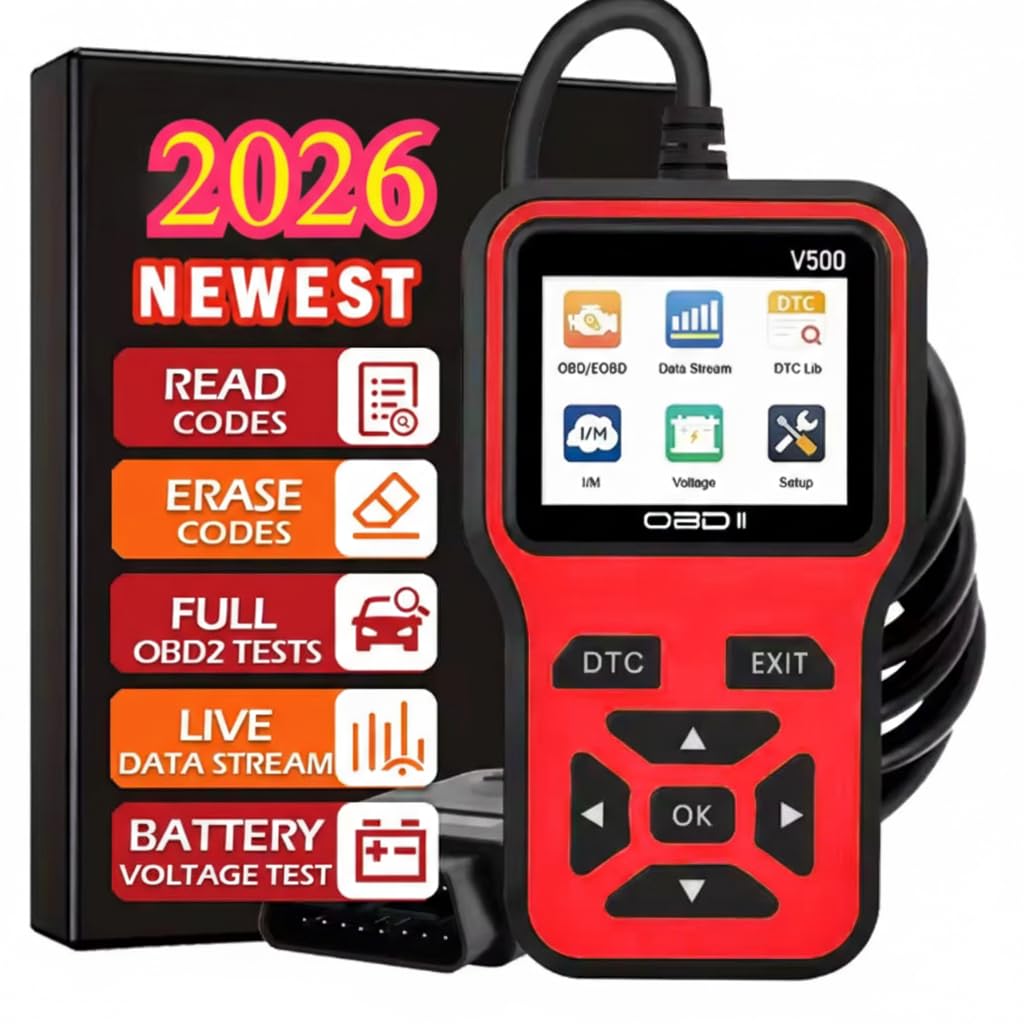
We recommend the V500 for basic oxygen sensor testing and live engine data without using a phone app.
Pros
- Displays live data and supports O2 sensor checks
- Includes EVAP testing, freeze-frame data, and code lookup
- Compact design with simple plug-and-play controls
Cons
- Provides basic rather than advanced diagnostic coverage
- Small display may require close viewing
- Limited customer feedback so far
We found the V500 easy to connect and use because it draws power from the vehicle’s OBD2 port. Its color display and navigation buttons make it simple to move through fault codes, live readings, and I/M readiness results.
For oxygen sensor testing, the scanner shows available sensor data from the vehicle. This helps us compare readings and look for signs of a sensor or fuel-system problem. The results still depend on the vehicle’s supported data and should not replace proper electrical testing.
The tool also reads and clears engine codes, displays freeze-frame information, checks EVAP functions, and shows battery voltage. We like having these features in a small unit, though its compact screen limits how much information appears at once.
The V500 works with most OBD2-compliant vehicles from the listed model years and includes a one-year warranty. We would choose it for routine checks, warning-light diagnosis, and basic O2 sensor troubleshooting rather than advanced professional repairs.
Generic OBD2 Scanner with Live Data
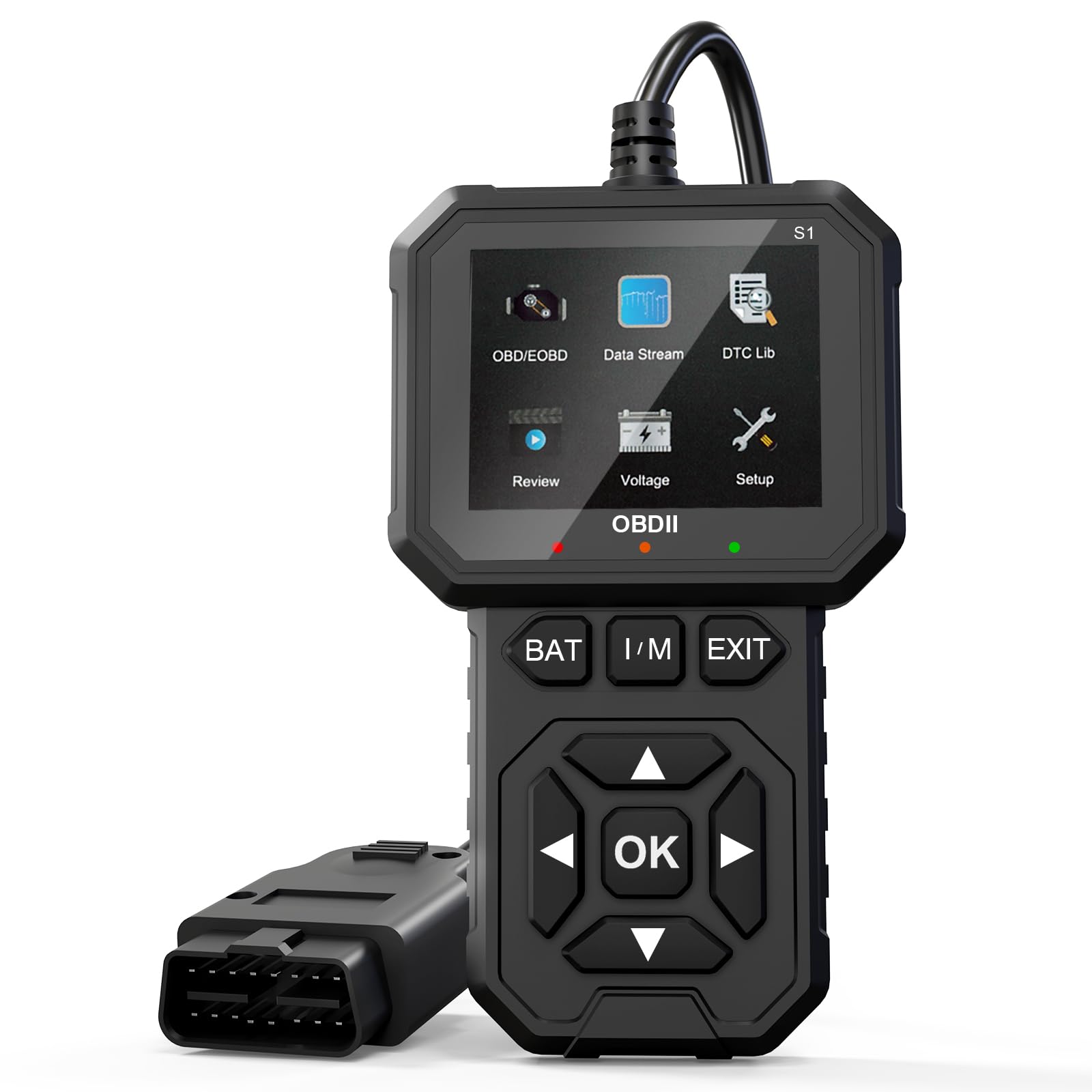
We recommend this scanner for basic oxygen sensor checks, live data viewing, and routine engine diagnostics on most 12V OBDII vehicles.
Pros
- Displays oxygen sensor readings and battery voltage in real time
- Includes code reading, code clearing, freeze-frame data, and readiness checks
- Uses a clear 2.8-inch color screen with simple controls
Cons
- The generic branding gives us limited information about long-term support
- The small screen may feel cramped when viewing several data values
- It does not replace advanced manufacturer-level diagnostic equipment
We used the scanner to check live engine data and found the oxygen sensor test useful for basic troubleshooting. Watching sensor readings change while the engine warmed up gave us a practical view of fuel-control activity.
The tool also reads and clears trouble codes, shows freeze-frame details, and checks I/M readiness. Its Mode 6 and Mode 8 support adds useful testing options, although the results may require some vehicle-specific knowledge to interpret correctly.
Power comes directly from the vehicle’s OBD2 port, so we did not need batteries or a separate charger. The three-color indicator also provided a quick status check, while the color display kept the main menus easy to follow.
Compatibility covers common OBDII systems, including CAN, ISO9141-2, KWP2000, and SAE J1850. We would still confirm compatibility before buying, especially for older or unusual vehicles. This scanner works best for owners who want affordable live data and oxygen sensor testing rather than advanced repair-shop features.
UJS SafeScan OBD2 Scanner
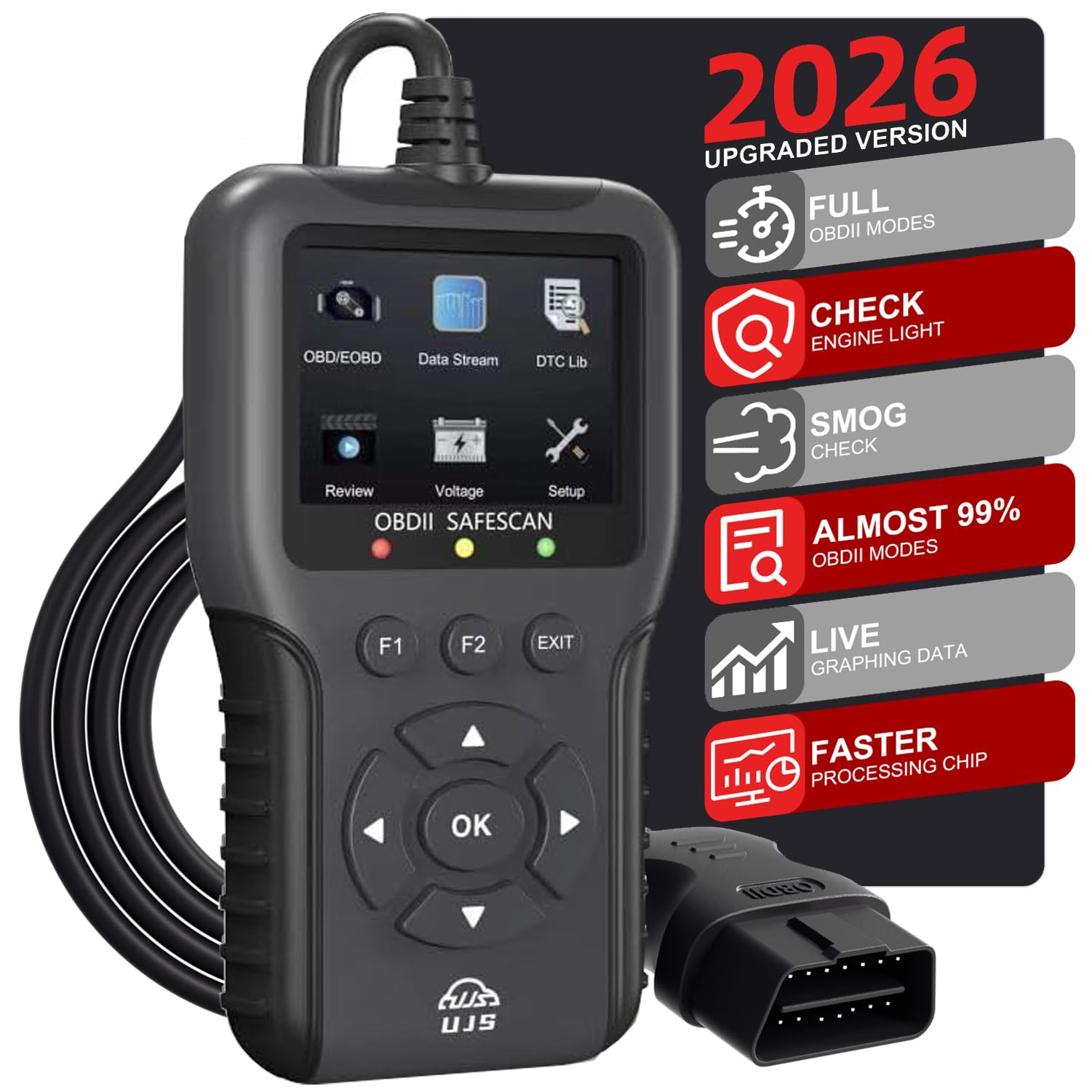
We recommend this scanner for drivers who want simple live data, oxygen sensor tests, and emissions checks without paying for a shop visit.
Pros
- Displays live engine readings and oxygen sensor test results
- Includes I/M readiness, freeze-frame, and battery voltage checks
- Offers lifetime software updates and a clear color screen
Cons
- Does not scan ABS, SRS, or transmission systems
- Requires a corded connection to the vehicle
- Some advanced data may take time to interpret
We found the UJS SafeScan easy to start using. After plugging it into the OBD2 port and turning on the ignition, it quickly scanned the engine and showed stored trouble codes. The 2.8-inch screen made the menus and readings easy to follow.
For oxygen sensor testing, the live data view gives us useful readings while the engine runs. We could watch sensor activity, check fuel-related information, and review emissions data before deciding whether a repair needed attention. The scanner also checks I/M readiness, which helps before a smog inspection.
Its built-in code descriptions reduce the need to search every fault code on another device. We also liked the battery voltage display because it can point to a weak battery or charging problem during testing.
The main limitation is system coverage. This scanner focuses on the engine and emissions systems, so we would choose a different tool if we needed ABS, airbag, transmission, or other module diagnostics. The corded design also keeps us near the vehicle, but it avoids charging and pairing problems.
ANCEL AD410 OBD2 Scanner
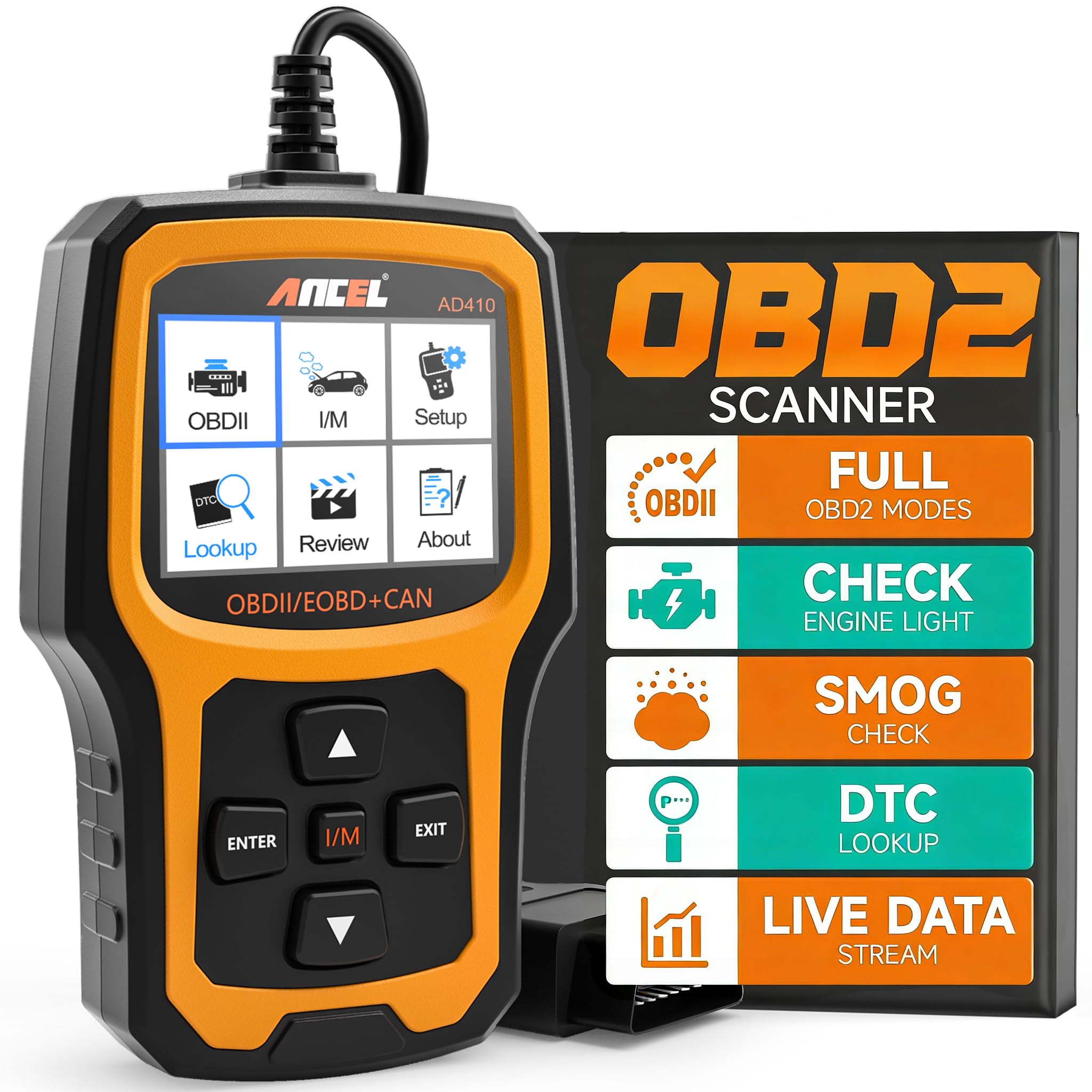
We recommend the ANCEL AD410 for basic oxygen sensor testing because it shows live engine data, supports O2 tests, and works without a phone app.
Pros
- Clear live readings for oxygen sensors, fuel trim, RPM, and coolant temperature
- Simple plug-in design with built-in code definitions
- Includes I/M readiness, freeze-frame, EVAP, and O2 test functions
Cons
- Covers engine and emissions systems only
- Small screen can make long data lists harder to read
- O2 results depend on the vehicle’s available data and test support
We found the AD410 easy to start. We plugged it into the OBD2 port, turned on the ignition, and used the menu to view live data. The screen showed oxygen sensor readings and related values without requiring a Bluetooth connection, subscription, or phone app.
Live data helps us look beyond a stored fault code. We can compare oxygen sensor activity with fuel trim, engine speed, and coolant temperature to spot readings that may need more testing. The scanner does not prove that a sensor has failed, but it gives us useful information before replacing parts.
The O2 sensor test menu adds another helpful check when the vehicle supports the required OBD2 tests. We also used the code lookup feature to understand fault messages without opening a separate reference guide. The built-in database covers many common diagnostic codes.
Its main limit is vehicle coverage. The AD410 reads engine and emissions codes, but it does not diagnose ABS, air bags, transmissions, or perform bidirectional controls. The small display also requires some scrolling when several live readings appear together.
For home troubleshooting, emissions checks, and basic oxygen sensor testing, the ANCEL AD410 offers useful functions in a straightforward handheld design.
WEJOWE OBD2 Scanner
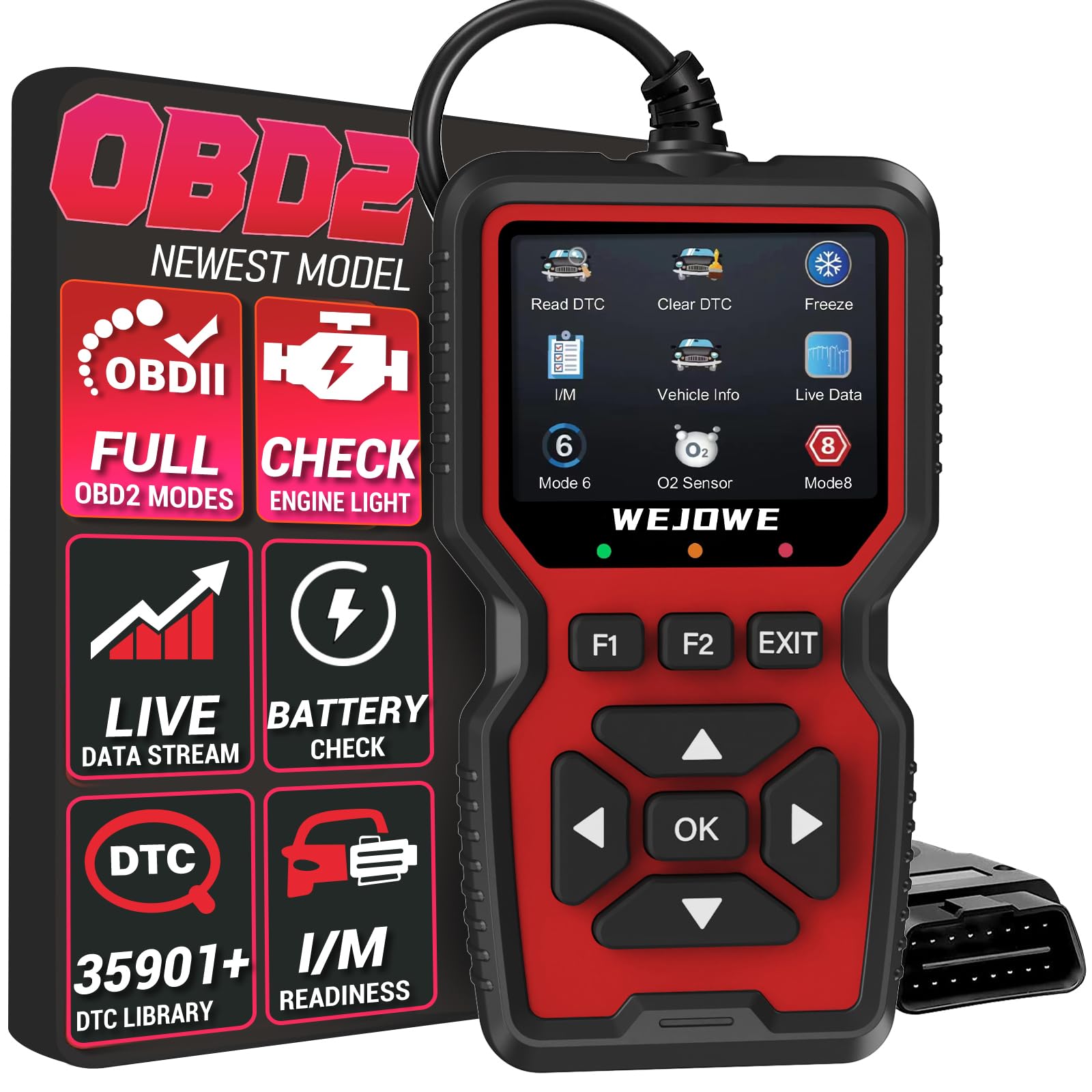
We recommend this scanner for DIY users who want live engine data, code lookup, and basic oxygen sensor checks at a low cost.
Pros
- Live data helps us watch oxygen sensor readings and fuel-system changes.
- The built-in code library gives useful fault-code details without a separate lookup.
- Compact design includes a storage pouch and computer connection for printing reports.
Cons
- It does not scan ABS, airbag, or transmission systems.
- Vehicle support may be limited on some European models.
- The corded design requires access to the car’s OBD2 port during use.
We found the live data screen useful for checking oxygen sensor activity while the engine warmed up. It also helped us compare sensor readings with fuel-trim data, which can point to vacuum leaks, exhaust leaks, or sensor problems. The scanner does not replace a professional scope, but it gives DIY users helpful first-level information.
Code reading and clearing worked simply through the 2.8-inch display. The 50,000-code library reduced the need to search online, although we would still confirm any repair with service information before replacing parts.
The battery test and I/M readiness functions add value for routine checks. We also liked the option to save or print data through a computer. However, this tool focuses on engine and emissions systems, so buyers needing ABS, SRS, or transmission diagnostics should choose a more advanced scanner.
BluSon YM319 OBD2 Scanner
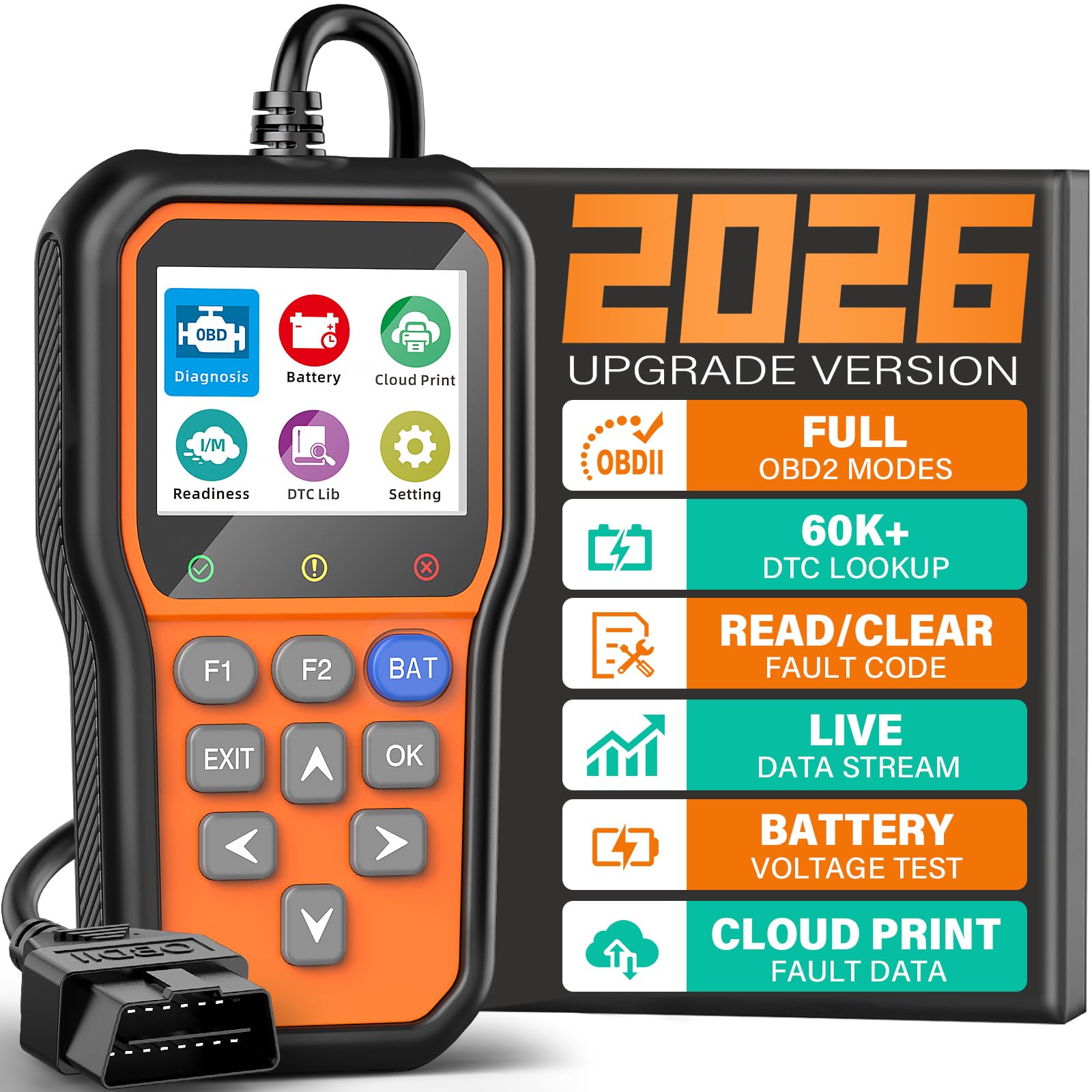
We recommend the BluSon YM319 for basic oxygen sensor testing, live data, and check-engine diagnostics at a reasonable price.
Pros
- Displays live data and records data curves
- Runs oxygen sensor and EVAP tests
- Includes battery testing and cloud report storage
Cons
- Does not scan ABS, SRS, or transmission systems
- The small screen may limit data viewing
- Build quality may not suit heavy shop use
We found the YM319 simple to use: plug it into the OBD2 port, turn on the ignition, and select the needed test. Its live-data display helps us review oxygen sensor readings while the engine runs, which can support checks for fuel and emission problems.
The scanner also shows freeze-frame data, I/M readiness, and stored fault codes. Its built-in code database helps us understand many results without checking a separate reference, although the code description should not replace proper testing.
A battery test adds useful value for routine checks. We also liked the adjustable screen and shortcut buttons, which made common tasks faster during repeated scans.
This model supports most 1996-and-newer US vehicles and many newer European and Asian vehicles. We would choose it for home maintenance, but buyers who need ABS, airbag, or transmission diagnostics should select a more advanced scan tool.
FOXWELL NT301 Plus OBD2 Scanner
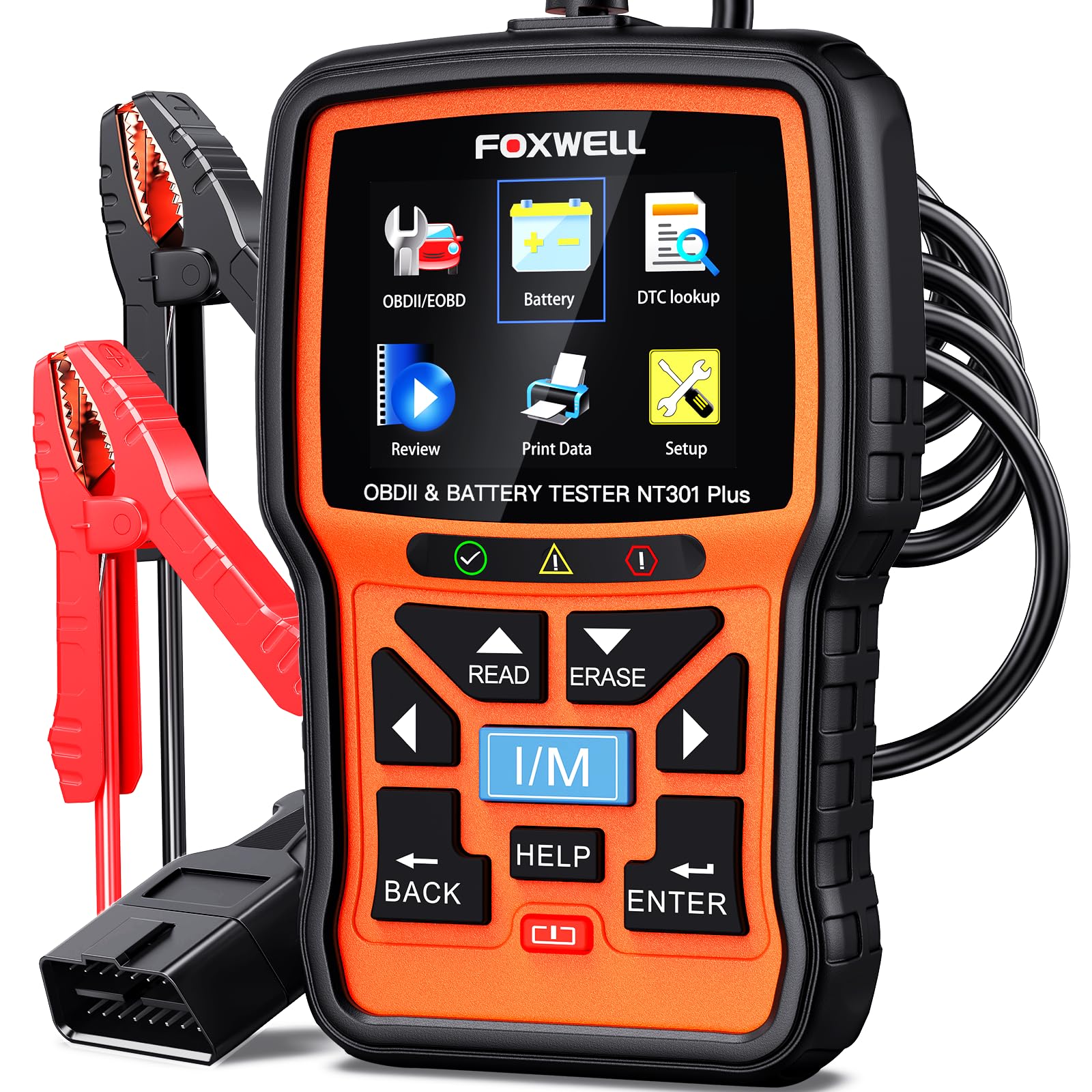
We recommend this scanner for buyers who want clear live data for oxygen sensor checks plus a useful 12V battery tester.
Pros
- Shows sensor readings, fuel trim, RPM, and coolant temperature in real time
- Records and replays data for checking intermittent faults
- Combines engine diagnostics with battery, starter, and charging tests
Cons
- Does not scan ABS, airbag, or transmission systems
- Battery testing works only with 12V batteries
- Windows is required for software updates
We found the NT301 Plus simple to connect and navigate during basic engine testing. Its color screen made live readings easy to follow, and the scanner responded quickly while we watched oxygen sensor data and fuel trim changes.
The record and playback feature helped us review readings after the test. This makes it easier to spot sensor behavior that changes during warm-up or under different driving conditions. We still needed vehicle-specific data to confirm whether a reading was truly faulty.
The built-in code lookup gave us plain-language descriptions without needing a separate reference. The I/M readiness test also helped us check whether a vehicle was ready for an emissions inspection.
The battery tester adds value for routine checks, especially after a jump-start or when a battery keeps losing charge. However, this tool focuses on engine and battery systems. We would choose a different scanner for ABS, SRS, transmission, key programming, or battery registration.
CrysGuard V519 OBD2 Scanner
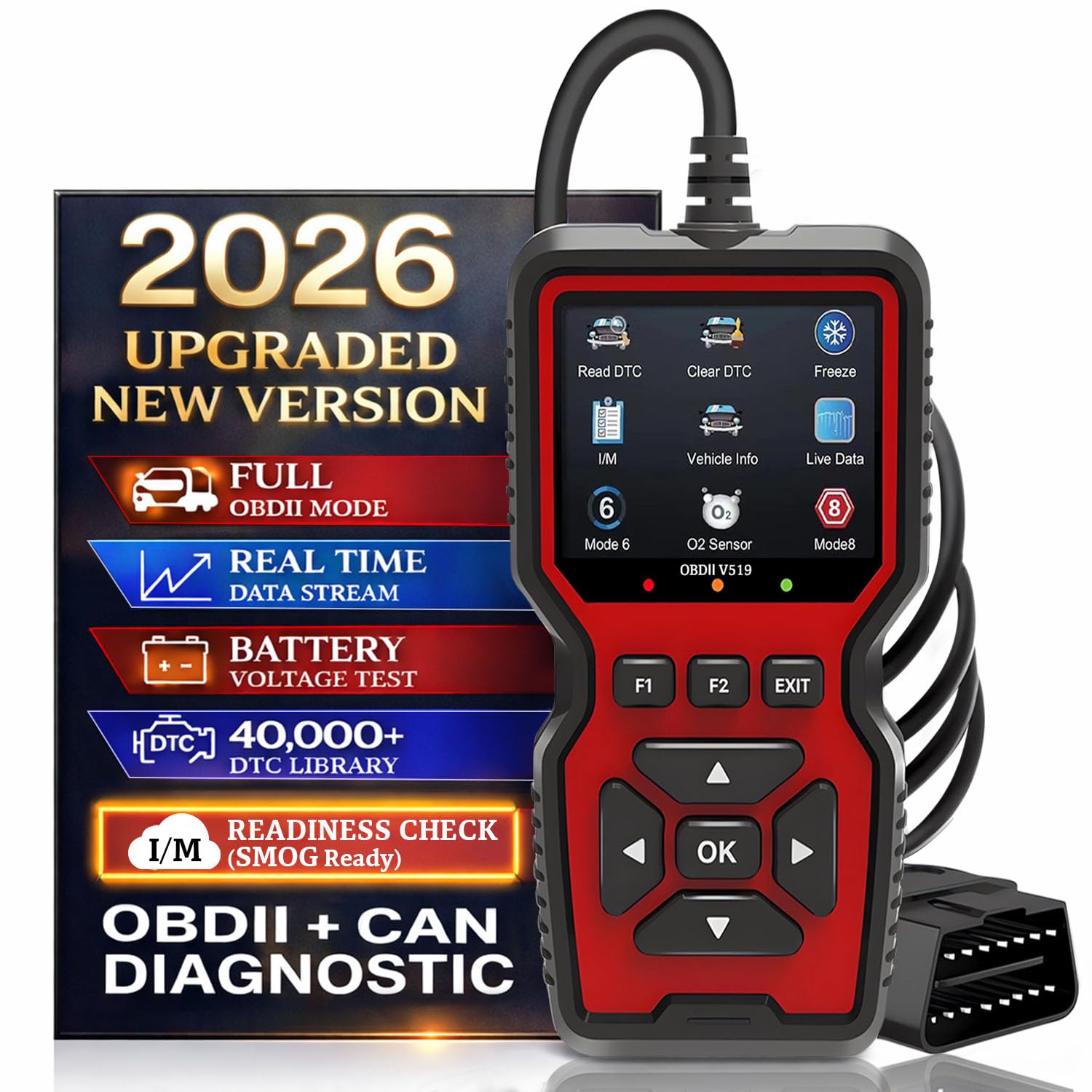
We recommend the CrysGuard V519 for DIY users who want graph-based live data to check oxygen sensor readings, fuel trims, and emissions monitors.
Pros
- Graphs O2 sensor voltage and fuel-trim data in real time
- Includes freeze-frame data, playback, and readiness checks
- Plug-and-play design with free lifetime software updates
Cons
- The light plastic body may not handle drops well
- Some advanced tests may depend on vehicle support
- The one-year warranty is shorter than some competitors
After connecting the V519, we found the basic scan process simple. The scanner powered through the vehicle’s OBD2 port, and its buttons and backlit screen made menu navigation easy without a phone or separate app.
For oxygen sensor testing, the live-data graphs provide a useful view of sensor voltage and related fuel-trim changes. We could also review freeze-frame information and replay saved data, which helps when a fault appears only during certain driving conditions.
The scanner also checks I/M readiness for emissions testing and displays battery voltage before and after starting. Its large code library and on-screen definitions help with first-level diagnosis, though we would still confirm vehicle-specific repair information before replacing parts.
The V519 feels light, so we would store it carefully rather than leave it in a busy tool box. Overall, it offers a strong set of live-data and emissions features for home mechanics at a reasonable price.
Buying Guide
We should choose an OBD2 scanner that displays live oxygen sensor data, not only stored fault codes. Look for readings such as sensor voltage, air-fuel ratio, fuel-trim values, and sensor response changes during engine operation.
| Feature | What we should look for |
|---|---|
| Vehicle coverage | Support for our vehicle’s model year and engine |
| Live data | Oxygen sensor readings, fuel trims, RPM, and coolant temperature |
| Graphing | Clear graphs that show sensor changes over time |
| Update support | Regular software updates for newer vehicles |
| Data storage | Saving or sharing readings for later review |
| Connection type | Reliable wired or wireless connection |
| Code functions | Reading, clearing, and showing code details |
We should also check whether the scanner shows upstream and downstream sensor data separately. This helps us compare the sensor before the catalytic converter with the sensor after it.
A fast refresh rate can make changing sensor signals easier to see. However, the scanner should explain data terms clearly, especially if we are still learning how oxygen sensors work.
We should confirm that the tool can access manufacturer-specific systems if our vehicle needs them. A basic OBD2 tool may not display every sensor or support enhanced tests on all vehicles.
Finally, we should consider screen size, menu layout, battery use, and warranty support. A scanner that presents readings clearly can make testing more useful than one with many features that are difficult to operate.
Editor’s Choice
We choose the BlueDriver Pro as our editor’s choice for oxygen sensor testing. It connects to a phone or tablet and displays live data, including O2 sensor voltage, fuel trims, engine speed, and coolant temperature.
The app makes it easy for us to watch sensor readings while the engine runs. We can compare oxygen sensor activity with short-term and long-term fuel trims, which helps identify a weak sensor, a vacuum leak, or another fuel system problem.
| Feature | BlueDriver Pro |
|---|---|
| Live O2 sensor data | Yes |
| Fuel trim data | Yes |
| Vehicle-specific fault reports | Yes |
| Phone or tablet connection | Yes |
| Built-in test equipment | No |
We should confirm that the vehicle supports the required live-data parameters before buying. Some vehicles provide limited oxygen sensor information through the OBD2 port.
BlueDriver works best for users who want clear data without carrying a separate handheld scanner. It does not replace a multimeter or oscilloscope when we need to test sensor wiring, signal speed, or heater circuits directly.
Conclusion
We should choose an OBD2 scanner that displays live oxygen sensor data in real time. A model with graphing, freeze-frame data, fuel-trim readings, and a responsive refresh rate makes sensor testing easier and more accurate.
Before buying, we should confirm that the scanner supports our vehicle’s protocol and can read the needed sensor data. Basic code readers may show fault codes but lack the live readings required for proper oxygen sensor testing.
The best choice depends on our needs:
- Home use: Choose a simple scanner with live data and clear graphs.
- Advanced testing: Choose a model with detailed graphs, fuel trims, and recording.
- Professional work: Choose a durable scanner with broad vehicle coverage and regular software updates.
We should also compare screen quality, app support, update costs, and warranty coverage. A scanner that presents stable, readable data helps us test oxygen sensor performance without relying on guesswork.
FAQs
Can an OBD2 scanner test oxygen sensors?
Yes. We can use a scanner with live data to view oxygen sensor voltage, air-fuel ratio readings, fuel trims, and related trouble codes. These readings help us identify possible sensor or wiring problems.
What should we look for in live data?
On a warm engine, a traditional upstream oxygen sensor often switches between lean and rich readings. We should compare its activity with fuel trims, engine temperature, and data from other sensors instead of judging one value alone.
Can a scanner confirm a bad oxygen sensor?
A scanner can provide useful evidence, but it cannot always confirm the failure by itself. We should also check the sensor connector, wiring, exhaust leaks, vacuum leaks, and sensor heater circuit.
Do all OBD2 scanners show oxygen sensor data?
No. Basic code readers may only display fault codes. We need a model that supports live data, sensor graphs, and, preferably, Mode $06 test results.
Can we test oxygen sensors while driving?
Yes, when it is safe and legal. A second person can monitor the scanner, or we can record the data for review after the drive.
Which oxygen sensor matters most for diagnosis?
The upstream sensor usually helps us assess fuel control. The downstream sensor mainly monitors catalytic converter performance, so its readings serve a different purpose.
