
P0135 Repair Cost – O2 Sensor Heater Circuit Bank 1 Sensor 1 Explained

P0135 repair cost typically ranges from $120 to $450 depending on whether you replace just the oxygen sensor or fix wiring issues. In most vehicles, the problem comes from a faulty upstream O2 sensor heater circuit, blown fuse, or damaged wiring. Labor, sensor type, and vehicle model directly affect the final bill.
This issue often triggers a check engine light and poor fuel economy. It usually appears when the engine cannot quickly heat the oxygen sensor to operating temperature.
Reading time: about 10–12 minutes.
P0135 repair cost overview
P0135 repair cost mainly depends on the root cause of the oxygen sensor heater failure. Most cases are solved by replacing the upstream oxygen sensor, while some require electrical repair.
The heater inside the oxygen sensor helps it reach operating temperature fast. Without it, the ECU receives incorrect air-fuel data. That leads to performance and emissions problems.
Most drivers spend more on parts than labor in simple cases. However, diagnostic time can increase cost if the issue is unclear.
What causes P0135 code
P0135 is triggered when the engine control module detects a failure in the oxygen sensor heater circuit. This heater is essential for fast sensor activation after startup.
Common causes include a failed O2 sensor heater element, blown fuse, damaged wiring, or poor electrical connection. In rare cases, ECU faults may also trigger the code.
Corrosion near the exhaust or heat damage to wiring is a frequent real-world cause in older vehicles.
- Faulty upstream oxygen sensor
- Blown heater fuse
- Damaged wiring harness
- Loose or corroded connector
- ECU signal failure (rare)
Average repair cost breakdown

The cost of fixing P0135 varies widely depending on parts and labor. Replacing only the oxygen sensor is the most common repair path.
A standard OEM oxygen sensor can be expensive, but aftermarket parts reduce cost. Labor depends on sensor accessibility.
| Repair Type | Estimated Cost |
|---|---|
| Oxygen sensor replacement | $120 – $350 |
| Wiring repair | $80 – $200 |
| Fuse replacement | $20 – $60 |
| Diagnostic fee | $50 – $120 |
Most drivers end up paying around $180–$300 for a full fix.
Symptoms of P0135 code
The most visible sign of P0135 is the check engine light. However, several performance symptoms may appear depending on severity.
When the oxygen sensor heater fails, the engine runs in open-loop mode longer than normal. This affects fuel efficiency and emissions.
- Check engine light on
- Higher fuel consumption
- Rough cold starts
- Delayed engine response
- Failed emissions test
Key takeaway: fuel economy drops because the ECU cannot read accurate oxygen levels early in startup.
Can you drive with P0135
Yes, you can drive with P0135, but it is not ideal for long-term use. The engine will still run, but fuel control becomes less efficient.
Driving short distances is usually safe. However, ignoring the issue for weeks increases fuel cost and emissions system strain.
Cold weather makes symptoms worse because the engine relies more on heater circuits during startup.
How mechanics diagnose P0135
Mechanics follow a structured diagnostic process to avoid unnecessary part replacement. The oxygen sensor heater circuit is tested step by step.
They usually start with scan tool data, then move to electrical inspection and resistance testing.
- Check OBD-II freeze frame data
- Inspect oxygen sensor wiring
- Test fuse and relay
- Measure heater resistance
- Verify ECU signal output
If resistance is out of range, the sensor is replaced immediately.
Repair process step by step
Fixing P0135 is usually straightforward once the faulty part is identified. Most repairs involve sensor replacement near the exhaust manifold.
The job becomes difficult only when rust or tight engine bay space is involved.
In short, the process is diagnosis first, replacement second, verification last.
- Disconnect battery for safety
- Locate Bank 1 Sensor 1 O2 sensor
- Remove old sensor carefully
- Install new sensor
- Clear ECU codes and test drive
Common mistakes during repair
Many drivers replace oxygen sensors without checking wiring first. This leads to repeated failures and wasted money.
Another mistake is using low-quality sensors that fail quickly under heat stress.
What most people don’t think to ask is whether the fuse blew due to another electrical issue. That root cause often gets ignored.
How to reduce P0135 repair cost
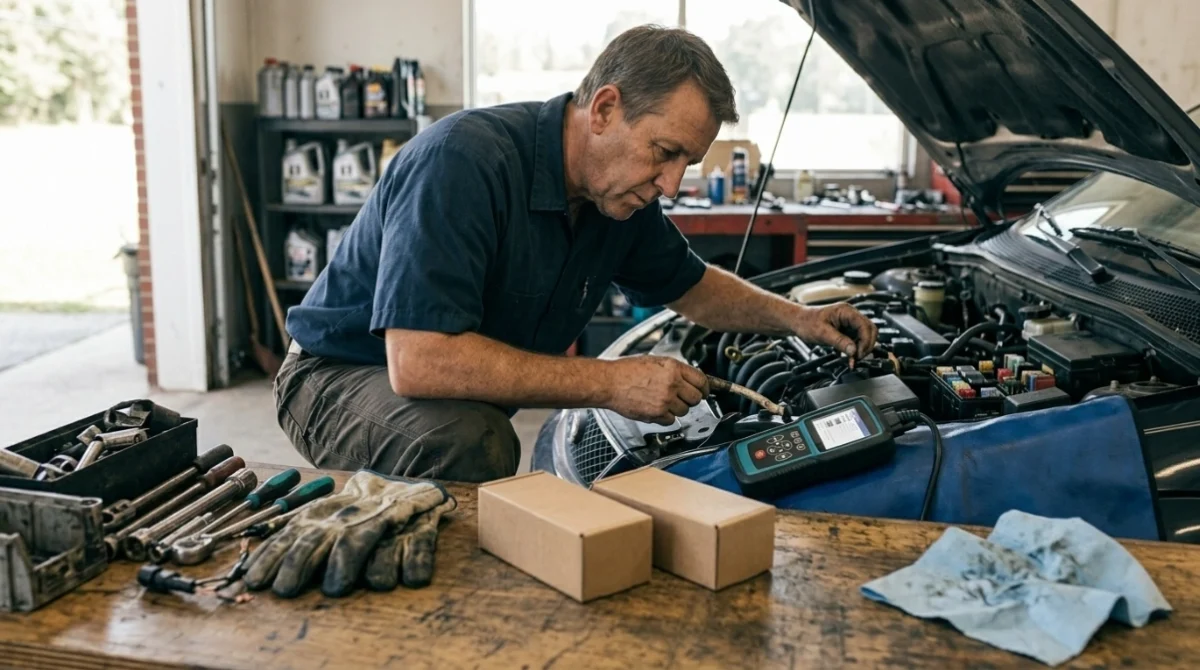
You can reduce repair cost by diagnosing properly before replacing parts. Simple testing prevents unnecessary sensor purchases.
Using a quality aftermarket sensor also reduces cost without affecting performance in most vehicles.
In some cases, only a fuse replacement is needed, which is extremely cheap compared to full sensor replacement.
- Run full OBD scan first
- Check fuse before sensor
- Inspect wiring harness carefully
- Compare sensor prices before buying
When replacement is the only option
If the oxygen sensor heater element fails internally, replacement is unavoidable. No repair method restores the heating circuit.
High mileage vehicles often face this issue due to thermal stress and exhaust exposure.
If resistance testing shows open circuit, the sensor must be replaced immediately.
Frequently Asked Questions
What does P0135 mean
P0135 means the oxygen sensor heater circuit in Bank 1 Sensor 1 is malfunctioning. This heater helps the sensor reach operating temperature quickly for accurate fuel readings.
How serious is P0135
P0135 is not critical for engine safety but affects fuel efficiency and emissions. Long-term driving can increase fuel cost and strain emission components.
Can bad gas cause P0135
No, fuel quality does not directly cause P0135. The issue is electrical or sensor-based, not fuel contamination related.
How long does repair take
Most P0135 repairs take 30 minutes to 2 hours depending on sensor accessibility and whether wiring repair is needed.
Will P0135 clear itself
No, the code will not clear unless the underlying heater circuit issue is fixed. Temporary resets may occur, but the fault returns quickly.
P0135 repair cost stays relatively low when the oxygen sensor is the only failed part. Electrical issues or poor diagnosis increase total cost significantly.
Newer diagnostic tools now detect heater circuit faults faster than manual testing methods.
Check fuse and wiring first before replacing the sensor to save money.
