
10 Best WiFi OBD2 Scanner for Used Car Buyers: Top Picks, Features, and Buying Guide

Used car shopping can be risky when the seller hides engine or electrical problems. WiFi OBD2 scanners let buyers read a car’s diagnostic trouble codes, view live sensor data, and sometimes clear minor faults using a phone or tablet. These devices are compact, easy to carry, and give a fast, on-the-spot look at a vehicle’s health before you commit to a purchase.
Not all WiFi OBD2 scanners give the same information or work with every car and phone app. The most important things to check are compatibility with the car’s OBD2 protocols and the app features—live data, code definitions, and freeze-frame support—because those determine how much useful insight you’ll get. We tested several popular models and apps to find ones that are reliable, clear, and simple for used car buyers to use.
Best WiFi OBD2 Scanners for Used Car Buyers
We tested popular WiFi OBD2 scanners to find reliable and easy-to-use options for people buying used cars. Our picks focus on accuracy, app features, and compatibility so you can spot issues before you buy.
MOCATEC WiFi ELM327
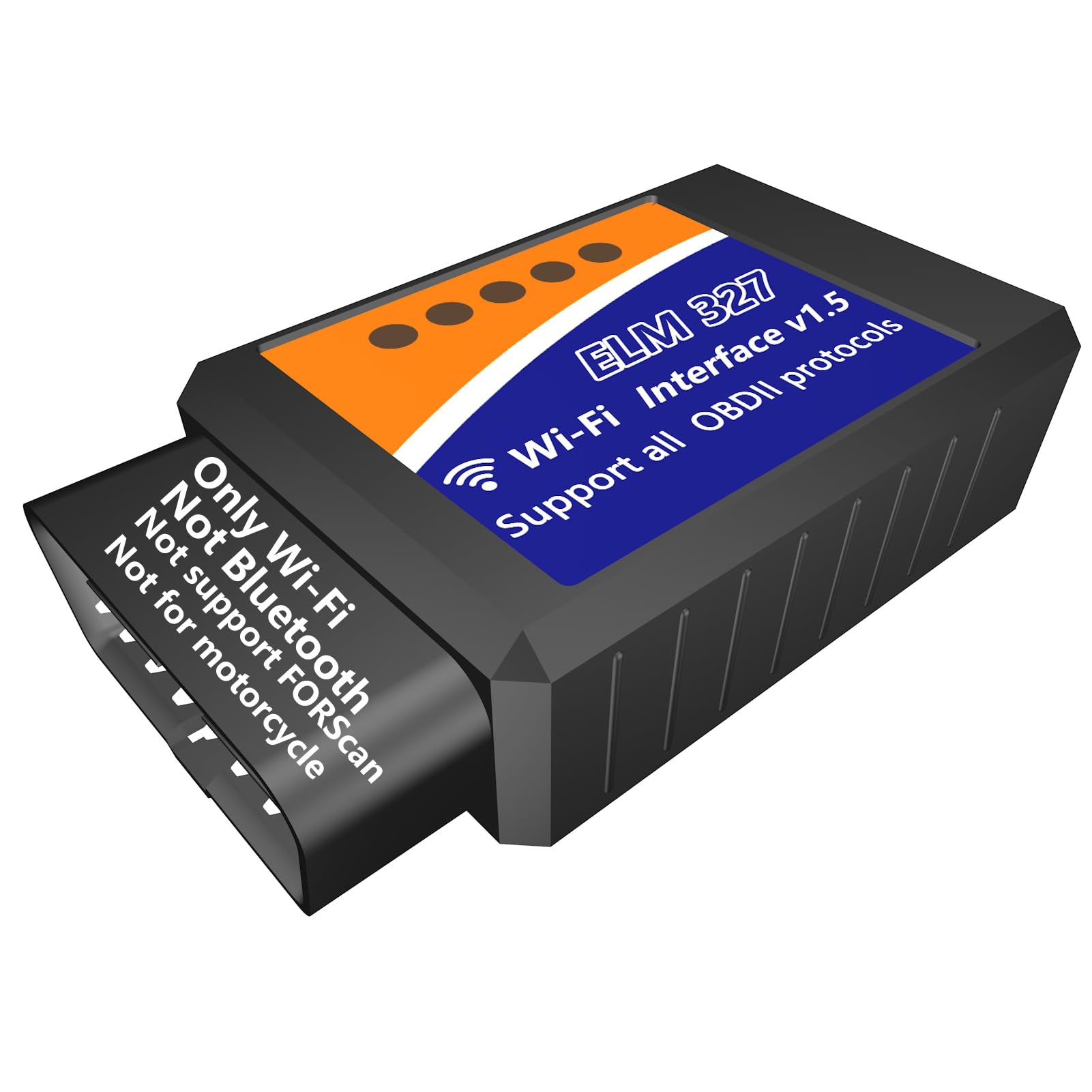
We recommend this if you want a cheap, easy WiFi OBD2 dongle to check engine codes and live data on a phone.
Pros
- Quick WiFi connection and works with common apps like Torque and Car Scanner.
- Small plug-and-play design that fits easily and stays out of the way.
- Reads codes and live sensor data well for basic diagnosis.
Cons
- Uses WiFi only, so your phone can’t use mobile internet while connected.
- Not compatible with FORScan and some advanced Ford/Motorcycle functions.
- Limited advanced features compared with pricier professional tools.
We plugged this into several 12V cars and it connected fast to our phones. Setup felt like simple DIY: find the WiFi network, pick your app, and start scanning. We watched live RPM, coolant temp, and readiness monitors in real time.
During a roadside check, the dongle helped us pull a check-engine code and decide whether to stop driving. It flagged a misfire code that matched what the mechanic later confirmed, so the initial diagnosis saved time.
The WiFi-only link means you can’t browse maps while connected, which was annoying on longer tests. We also hit limits on some specialized functions—no FORScan support and no motorcycle tools—so it’s not for deep, brand-specific work.
Overall, this is a solid budget pick for used car buyers who need quick code reads and live data on their phone without buying expensive gear.
AVAPOW AV-D600 OBD2 Scanner
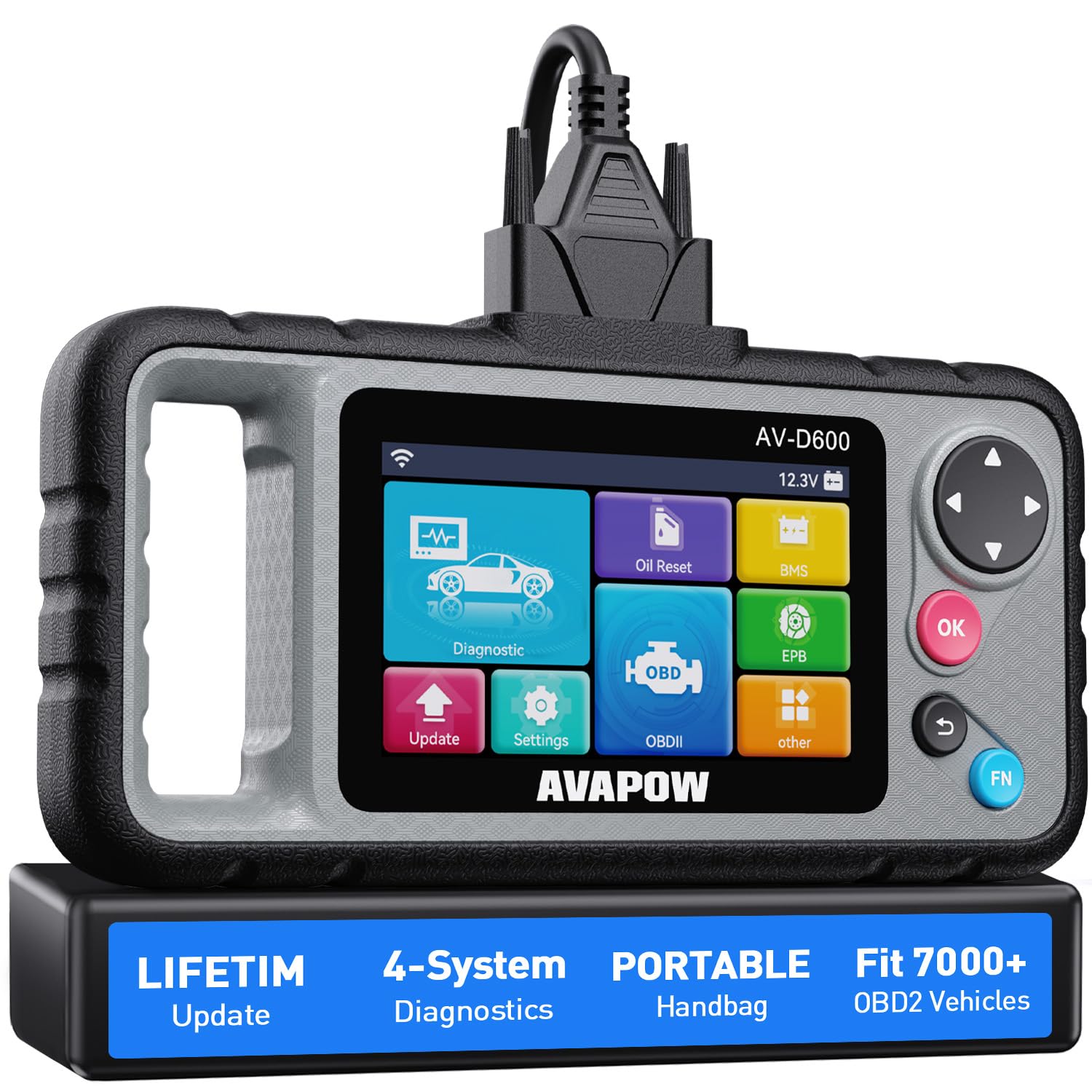
We recommend this scanner if you want a handheld tool that reads most problems and saves shop trips.
Pros
- Covers engine, transmission, SRS, and ABS so we catch more faults than basic readers.
- WiFi lifetime updates keep codes current without a subscription.
- Solid grip and case make it easy to use and store.
Cons
- Some car brands, like certain Subarus, may not get full advanced support.
- Screen and menus felt a little dated the first time we used it.
- Updates require WiFi access, so offline use stays limited to built-in features.
We plugged the AVAPOW into a handful of older cars and small trucks and found it quick to identify common issues. Auto VIN detection saved time during checks and the live data made comparing sensors easy when we tested brakes and engine idle.
We used the oil reset and EPB functions after changing pads and an oil change; both resets were straightforward and worked without a shop visit. Battery match also helped when we swapped a battery, cutting down the usual dealer fee.
We liked the non-slip handle for one-handed use while kneeling by the car. The unit felt built tough and the included case kept everything neat in our trunk. Overall, it did the practical jobs we needed without fuss.
BlueDriver Pro Next-Gen
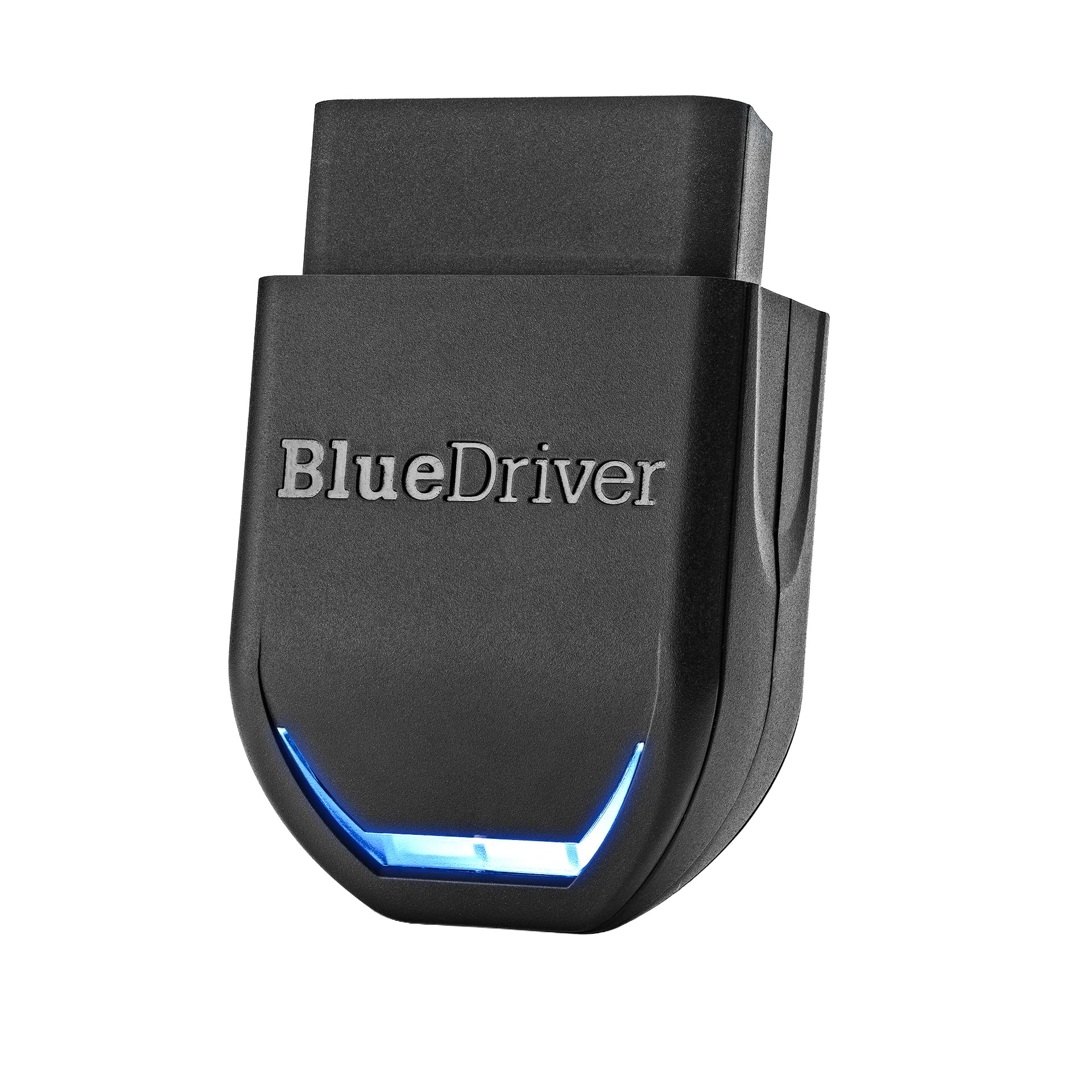
We recommend this for used car buyers who want deep, reliable diagnostics without a subscription.
Pros
- Reads and clears advanced codes beyond basic check-engine.
- Easy Bluetooth setup and clear app reports tied to VIN.
- One-time purchase with free updates and real technician support.
Cons
- Not every feature works on every model year or brand.
- Bluetooth range can be short if phone is bulky or in a bag.
- App interface can feel busy at first for new users.
We plugged the BlueDriver into dozens of cars while checking used vehicles. It connected quickly to our phones and gave clear, technician-verified reports. Seeing confirmed fixes tied to the VIN saved us time and guesswork when evaluating repairs.
Live data streaming felt smooth during short test drives and freeze-frame snapshots helped confirm intermittent issues. We caught codes other cheap readers missed, especially for ABS and SRS systems, which is exactly what you need when buying used cars.
Setup stayed simple: plug in, pair, and open the app. We kept it in trucks and sedans for weeks and appreciated the no-subscription model. A few newer or niche models showed limited data, so check compatibility if you’re focused on a specific make or year.
TOPDON AD500
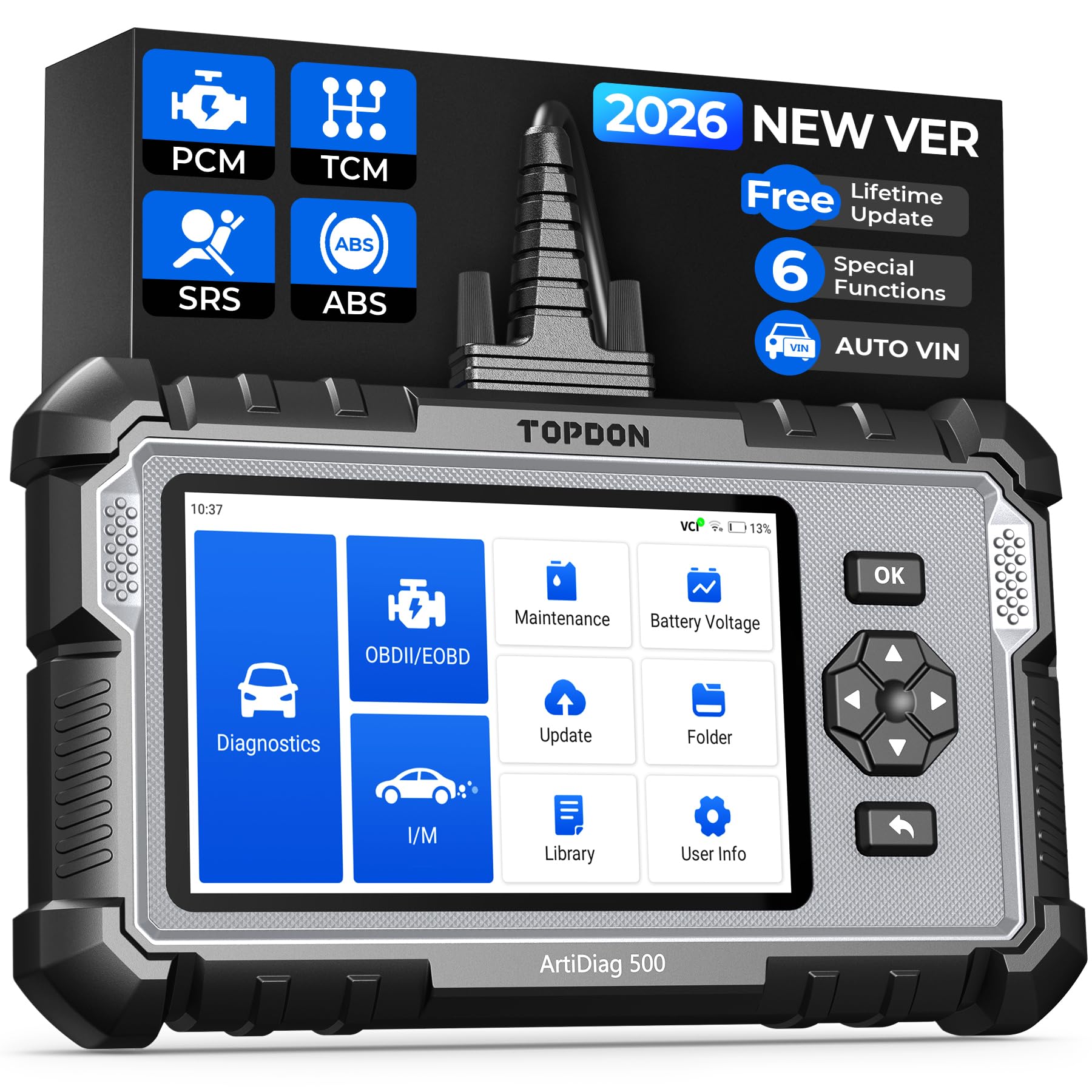
We recommend this if you want a midlevel WiFi-capable OBD2 tool that reads engine, ABS, SRS, and transmission codes and also handles common resets.
Pros
- Reads multiple systems beyond basic engine codes.
- Built-in battery and touchscreen make it easy to use without a phone.
- Free updates and broad brand support for many vehicles.
Cons
- Initial setup and software updates can be fiddly.
- Not as deep as dealer-grade tools for advanced diagnostics.
- Bulkier and pricier than simple Bluetooth dongles.
We used the AD500 on several used cars and liked that it immediately found codes the cheap readers missed. The screen is clear and the combo of touchscreen plus buttons felt durable during hands-on checks.
Connecting and updating took longer than we hoped the first time, but once the software finished the tool ran smoothly. Live data streaming and the chart view helped us spot intermittent faults while driving.
We tested the reset functions on oil and TPMS on two different cars and they worked as expected. The ABS and SRS reads solved one stubborn issue on a truck, but deep manufacturer-specific troubleshooting still required a pro tool.
Overall, this is a solid pick for buyers who want more than a basic scanner and who plan to inspect several used cars themselves.
KOBRA WiFi OBD2 Scanner

We recommend this tool if you want a cheap, simple WiFi OBD2 reader to check and clear basic codes before buying a used car.
Pros
- Affordable and easy to plug into any 1996–2016 OBD2 port.
- Works with many popular apps so you can read live data on your phone.
- Reads a large database of generic and manufacturer codes.
Cons
- WiFi pairing can be flaky on some phones.
- No dedicated app or clear instructions in the box.
- LEDs face rearward on most cars, so status lights are hard to see.
We plugged this unit into a few older cars and it woke up fast. The device paired with Android and iOS apps we tried, and within moments we could read trouble codes and freeze-frame data. Using an app like Torque or OBD Fusion gave us live RPM, coolant temp, and short-term fuel trim without delay.
We used it to scan cars at a used-car lot and saved time by ruling out obvious engine issues. Clearing a check engine light worked on several models, which helped us decide whether a repair was minor or needed a mechanic. The small size made it easy to leave plugged in while road-testing a vehicle.
We ran into a couple of hassles during testing. On some phones the WiFi link dropped and needed a reconnect. The unit’s little lights point toward the firewall in most cars, so we had to view connection status from the phone instead. Still, for the price and the apps it supports, this felt like a practical tool for buyers who want quick, on-the-spot scans.
Buy the KOBRA WiFi OBD2 Scanner on Amazon
ANCEL AD310

We recommend this if you want a simple, reliable code reader that tells you why the check engine light is on without fuss.
Pros
- Easy to use right out of the box.
- Sturdy build and long, flexible cable.
- Fast reads and clear screen for live data.
Cons
- Only reads emission-related OBD2 codes.
- No wireless features — corded only.
- Can’t access advanced systems beyond engine codes.
We plugged the AD310 into several used cars and it gave steady, fast results every time. The screen is bright and the menus are simple, so we found codes, freeze frame data, and readiness status in seconds.
Handling felt solid. The cable is thick and long enough to reach the dash without straining, and the unit survived being moved around the garage. Buttons are tactile and labeled clearly, which made testing quick when we inspected a few trade-ins.
We liked that it draws power from the car, so there’s no charging to worry about. On the downside, we hit limits when a vehicle needed deeper diagnostics beyond emission codes. For buyers who want full system scans or wireless apps, this won’t replace a professional tool.
Overall, the AD310 is a practical pick for used car buyers who need a no-nonsense reader to confirm check engine causes before purchase.
Generic WiFi OBD2 Scanner
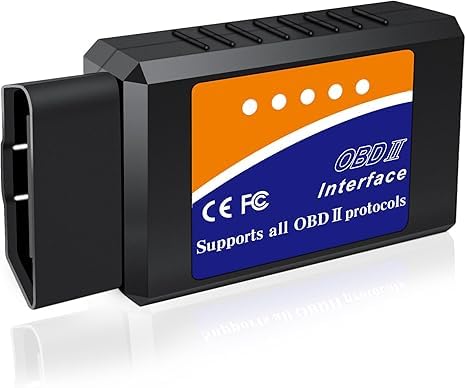
We recommend this unit only if you want a cheap WiFi OBD2 dongle for basic code reading and live data, but not for deep system diagnostics or guaranteed reliability.
Pros
- Very affordable and works with common apps we used.
- Fast live data over WiFi when the connection is stable.
- Good enough to check engine light codes and basic sensor readings.
Cons
- WiFi hotspot can be fussy to pair on some phones and apps.
- Won’t access ABS, SRS, or other non-OBDII systems.
- Mixed reliability—some units failed or reported false codes.
We plugged this scanner into a few older cars and got quick engine codes and live PID data on our phone. The WiFi link gave smooth updates when the device stayed connected, and apps like Torque showed RPM, coolant temp, and fuel trims without lag.
Pairing caused trouble a couple of times. We had to join the scanner’s WiFi network and enter 1234 or 0000, then restart the app. On one phone the hotspot wouldn’t appear, so the unit was useless until we switched devices.
The scanner saved us a trip to the shop by letting us read and clear a CEL on a commuter car. Still, we wouldn’t trust it for emissions paperwork or to diagnose ABS/SRS faults. Buy this if you need a low-cost, basic reader and expect some setup headaches.
Veepeak OBDCheck BLE

We recommend this for used car buyers who want a simple, phone-based scanner to check engine codes and live sensors before buying.
Pros
- Easy to plug in and use with a phone app.
- Works with many cars and gives live data useful for quick checks.
- Small, durable unit that fits a pocket or glovebox.
Cons
- Only does generic OBD-II; no ABS, SRS, or dealer-level features.
- Requires a compatible third-party app and careful app choice.
- Bluetooth LE setup can be confusing on some devices.
We used this on several late‑90s to 2010s cars and found it fast at pulling check engine codes. Connecting through the Car Scanner app gave clear live values like RPM, coolant temp, and fuel trims which helped us spot basic issues quickly.
Pairing on an iPhone took a moment because you must select Bluetooth LE inside the app rather than the phone settings. Once we switched to the right app connection method, the link was stable and responsive during road tests.
The unit felt well built and the included case kept it handy. For buyers who need deep maker-specific functions or ABS/SRS scans, this won’t replace a shop scan tool. For a quick pre-purchase check of engine codes and sensors, it saved us time and a trip to a mechanic.
TOPDON ArtiDiag900 Lite

We recommend this if you want a wireless, bidirectional scanner that feels like a cheap tablet and covers most used cars from 1996–2026.
Pros
- Strong wireless range and easy Bluetooth setup.
- Bidirectional tests let us activate parts to confirm faults.
- Long battery life and a big touchscreen make testing comfortable.
Cons
- Software updates can be slow and interruptive.
- Some advanced features vary by vehicle make.
- Heavier and bulkier than simple plug-in readers.
We used the ArtiDiag900 Lite across several older and newer cars. The 8-inch screen made live data easy to read while we worked under hoods. The tablet-like design felt familiar and fast for basic checks.
Running active tests impressed us: we could cycle pumps and lights to see which parts responded. That saved time finding bad components on a few trade-ins. The wireless VCI let us step away from the car while watching results, which helped when space was tight.
A few things annoyed us. The unit prompts frequent updates and some take a while, which breaks workflow. Also, certain manufacturer-specific functions weren’t always consistent across brands, so expect hit-or-miss coverage for some models.
Overall, this tool gives used-car buyers a real hands-on advantage when checking cars before purchase. We found it worth the price if you want more than a basic code reader but don’t need full dealer-level gear.
Foxwell NT301

We recommend this if you want a simple, reliable OBD2 reader to check engine light issues and live data without apps or subscriptions.
Pros
- Easy to use right out of the box.
- Clear live-data graphs that help spot trends.
- Sturdy build and daylight-readable screen.
Cons
- Does not scan ABS, SRS, or other system modules.
- No Bluetooth or mobile app support.
- Some advanced car models may show limited functions.
We plugged the NT301 into several used cars and it fired up instantly. The interface felt straightforward and the colorful LED readiness indicator saved time before an emissions test.
We tracked real-time RPM, coolant temp, and fuel trims while driving and the live graphs helped us see how values changed. Clearing a basic check engine light took seconds after we fixed faults.
We noticed its limits when we tried to read ABS and airbag codes on a few trucks; the unit simply won’t do those systems. Still, for buyers checking a used car’s engine fault history and readiness, it’s a fast, hands-on tool that works without phone pairing.
Buyers who want a basic, no-nonsense scanner for pre-purchase checks will find it useful; those needing full-system diagnostics should look at higher-end scan tools.
Buying Guide
We look for scanners that give clear, reliable data without extra fuss. Prioritize devices that support live data, freeze-frame, and full code reading so we can assess engine health quickly.
We check compatibility first. Make sure the scanner works with the car’s model year and local OBD2 protocols. Confirm it pairs with common phone systems and apps we use.
We value connection speed and stability. Choose WiFi or Bluetooth models with fast pairing and steady signals. A bad connection wastes time when inspecting multiple cars.
We inspect app quality and features. The app should show readable codes, basic definitions, and data graphs. Prefer apps that allow saving or exporting reports for later review.
We weigh extra features against cost. Enhanced diagnostics, VIN read, or manufacturer-specific codes can help, but may not be necessary for basic checks. Balance price with the functions we actually need.
We consider build and power use. A compact, durable dongle that draws little power is best for test drives. Avoid devices that keep the car awake or drain the battery.
We check security and updates. Choose devices with regular firmware and app updates. Confirm the maker supports secure connections and fixes bugs.
We compare warranties and support. Prefer products with clear return policies and responsive customer service. Good support saves time when we run into issues.
Editor’s Choice
We picked the FIXD Wireless OBD2 Scanner as our Editor’s Choice. It balances ease of use, reliable diagnostics, and broad app support for buyers checking used cars.
We liked the simple setup. Plug it into the OBD2 port, connect to the phone via Wi‑Fi, and open the app. The app shows live data, trouble codes, and basic repair info in plain language.
The device works with most 1996 and newer cars sold in the U.S. It reads standard OBD2 codes and stores freeze-frame data so we can review recent faults. Battery drain is low when the car is off.
Key pros:
- Simple app interface for non‑technical users.
- Fast code read and clear explanations.
- Compact build that stays out of the way.
Minor drawbacks:
- Some advanced OEM codes may need a paid app feature.
- Not all apps show every live sensor in detail.
We recommend it for used car buyers who want quick checks without learning scanner software. It gives the core info you need to spot major engine and emission issues before you buy.
Conclusion
We can pick a WiFi OBD2 scanner that fits our needs and budget. Basic scanners help us spot serious engine issues quickly. Advanced models give deeper data for used cars with complex problems.
We should look for compatibility with the car’s make and model. Battery drain, app quality, and update support matter too. A rugged build and simple setup save time during inspections.
We recommend prioritizing these features:
- Wide vehicle coverage for older and newer cars
- Reliable app support with clear codes and live data
- Low power draw to avoid draining the battery
We suggest testing the scanner with our smartphone before buying. Check that it reads key systems and shows live data smoothly. If possible, try it on a known vehicle to confirm accuracy.
We value clear, actionable reports when deciding on a used car. A good WiFi OBD2 scanner helps us negotiate repairs and avoid surprises. Choosing the right tool reduces risk and gives us more confidence when buying.
FAQS
What can a WiFi OBD2 scanner tell us about a used car?
We can read trouble codes, view live engine data, and check emission readiness. That helps spot engine, transmission, and sensor problems before buying.
Do all cars work with WiFi OBD2 scanners?
Most cars from 1996 onward (in the U.S.) support OBD2. Some older or foreign models might not. We should verify the car’s OBD2 port and protocol before testing.
How easy is setup and use?
Setup is usually simple: plug the device into the OBD2 port, connect our phone or tablet to its WiFi, and open the app. We can start basic scans in minutes without special tools.
Can a WiFi scanner replace a professional inspection?
No. A scanner helps detect many issues, but it won’t reveal structural damage, worn suspension parts, or hidden collision repairs. We should use it alongside a mechanic’s inspection.
What features matter most for buyers?
We look for reliable code reading, live data, freeze-frame capture, compatibility with our phone, and clear app interface. Long battery life and secure WiFi help too.
Are there safety or privacy concerns?
Yes. We should use a secure app and avoid public WiFi while connected. Remove the scanner when not in use to prevent unauthorized access.
How much should we expect to spend?
Entry-level WiFi scanners are affordable, while advanced models cost more. We balance price with needed features and reliability.
